
Cardamom tea is not just a flavorful beverage; it has been traditionally recognized for its various health benefits, particularly in supporting cardiovascular health. High blood pressure affects millions globally and can lead to serious health problems if left unmanaged. Many people are searching for natural remedies to help regulate their blood pressure levels. Cardamom tea emerges as a promising option, packed with antioxidants and essential oils that may contribute to heart health.
The unique flavor of cardamom can make tea drinking a delightful experience. Beyond its taste, cardamom has a long history of use in Ayurvedic medicine for its potential health benefits. Its active compounds may contribute to improved circulation and reduced stress, both of which are vital for maintaining a healthy blood pressure. By incorporating cardamom tea into daily routines, individuals may find a simple yet effective way to support their cardiovascular wellness.
Understanding how to effectively incorporate this tea into your lifestyle can yield beneficial results. From the ingredients to the brewing process, knowing the specifics can enhance the overall experience. The following sections will delve into practical applications, common mistakes to avoid, the science behind cardamom’s benefits, and how to choose the right product.
Ultimately, this guide aims to provide a thorough understanding of how cardamom tea can serve as a flavorful ally for blood pressure support. By the end, you will have actionable insights to make informed decisions about incorporating this herbal remedy into your daily life.
Contents
How to Use Cardamom Tea for Real Results
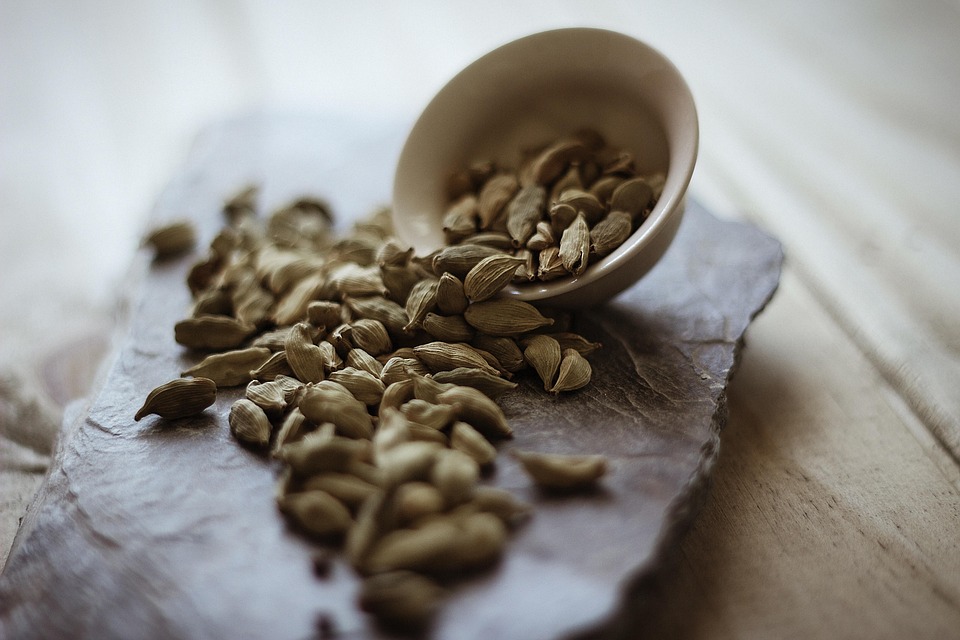
- Best Form: Loose leaf or whole pods
- Best Time: Morning or afternoon
- Expected Result: Enhanced relaxation and potential blood pressure regulation
For Daily Protection
The Prep: To brew cardamom tea for daily consumption, you will need whole cardamom pods, water, and optionally some honey or lemon for flavor. Use about two to three pods per cup of water. Begin by lightly crushing the pods to release their essential oils.
The Action: Bring water to a boil and add the crushed cardamom pods. Allow it to simmer for about 10 minutes. Strain the tea into a cup and add honey or lemon if desired. This brewing method extracts maximum flavor and health benefits.
The Feeling: Upon sipping, you may experience a warm sensation as the aromatic flavors unfold. The initial taste is slightly sweet with a hint of spice, leaving a refreshing aftertaste. Expect to feel a calming effect within 30 minutes.
Pro Tip: Experiment with steeping times to find your preferred strength and flavor profile.
For Managing Stress
The Prep: Gather whole cardamom pods, ginger, and honey. The combination of cardamom and ginger not only enhances flavor but also adds additional health benefits. Use one pod per cup along with a small piece of fresh ginger.
The Action: Boil water and add the cardamom and ginger. Let it steep for about 15 minutes. Strain before serving and sweeten with honey to taste. The ginger adds a zesty kick that complements the cardamom well.
The Feeling: This tea will have a warming effect, promoting relaxation. The soothing aroma and flavor can provide a comforting experience, helping to alleviate daily stress. You may notice a sense of calmness that lingers for a few hours.
Pro Tip: Incorporate this tea into your afternoon routine to combat post-lunch fatigue.
The Nighttime Routine
The Prep: For a calming evening drink, combine cardamom with chamomile tea. Use one cardamom pod and a chamomile tea bag. This blend promotes relaxation before bedtime.
The Action: Boil water and add the cardamom pod along with the chamomile tea bag. Allow it to steep for about 10 to 12 minutes. Strain and serve warm. The combined herbal properties can enhance relaxation.
The Feeling: This tea will offer a soothing sensation, calming your mind and preparing your body for sleep. You may feel a gradual relaxation that helps transition into a restful night. The effects can last throughout the night for better sleep quality.
Pro Tip: Avoid caffeine consumption before bedtime to enhance the calming effects of your tea.
Common Mistakes to Avoid When Brewing Cardamom Tea
Using Low Quality Herbs
Opting for low-quality cardamom can significantly diminish the health benefits. The potency of the active compounds relies heavily on the quality of the herb. Low-quality cardamom may lack flavor and essential oils, leading to ineffective results.
To ensure optimal benefits, always choose high-quality, organic cardamom from reputable sources. Freshly purchased whole pods will offer the best flavor and health benefits. Check for intact shells and a strong aroma to guarantee quality.
Oversteeping the Tea
Oversteeping cardamom tea can lead to a bitter taste, overshadowing its natural flavors. The delicate balance of spices and aromas may be lost, resulting in a less enjoyable experience.
To prevent this, stick to recommended steeping times. Typically, steeping for 10 to 15 minutes is sufficient. Adjust according to your taste preferences, but avoid extending steeping times excessively.
Neglecting Other Healthy Ingredients
Focusing solely on cardamom without considering other beneficial ingredients can limit the tea’s overall effectiveness. Adding complementary herbs like ginger or chamomile can enhance the health benefits.
Incorporate a variety of spices and herbs to maximize the potential of your tea. Experiment with different combinations to find what works best for your palate while enhancing health benefits.
The Science Behind Cardamom’s Benefits
The biological mechanism of cardamom’s benefits lies in its rich composition of antioxidants and essential oils. These compounds may contribute to vasodilation, which is the widening of blood vessels. This process can improve blood flow and lower blood pressure.
One key compound in cardamom is 1,8-cineole, an essential oil that has shown promise in reducing blood pressure. This compound may help in relaxing the blood vessels, thus contributing to overall cardiovascular health.
Clinical studies have investigated the effects of cardamom on blood pressure. One such study indicated that daily consumption of cardamom could lead to significant reductions in blood pressure among hypertensive individuals. For further reading, check out this PubMed article discussing the clinical evidence surrounding cardamom and hypertension.
Choosing the Right Product
– **Potency:** Look for cardamom that lists the amount of active compounds. Higher potency often correlates with more health benefits, ensuring you receive the desired effects.
-
Purity: Ensure that the cardamom is free from fillers or additives. Pure cardamom will provide the most authentic flavor and health benefits, allowing you to maximize your experience.
-
Form: Choose between whole pods, ground cardamom, or tea bags based on your preference. Whole pods retain freshness and potency longer, while ground options offer convenience.
Benefits vs Risks
| The Benefits | Potential Downsides |
|---|---|
| Rich in antioxidants that support heart health. | May cause allergic reactions in sensitive individuals. |
| May help lower blood pressure effectively. | Excessive consumption can lead to gastrointestinal discomfort. |
| Enhances digestion and reduces bloating. | Interactions with certain medications may occur. |
Habits for Enhanced Benefits
Incorporating regular physical activity can greatly enhance the effects of cardamom tea. Exercise improves circulation and helps in maintaining healthy blood pressure levels.
Mindfulness practices, such as meditation or yoga, can complement the calming effects of cardamom tea. These practices help in reducing stress and promoting overall well-being.
Who Should Avoid This?
– Individuals with known allergies to cardamom or related spices.
– Pregnant or breastfeeding women should consult a healthcare provider before consumption.
– Those on blood pressure medications should monitor their intake to avoid potential interactions.
– People with gastrointestinal disorders may experience discomfort from excessive consumption.
Common Questions
Can cardamom tea replace medication for hypertension?
Cardamom tea should not replace prescribed medication. It can be a complementary option but always consult a healthcare provider for personalized advice.
How often should I drink cardamom tea?
Drinking one to two cups daily can be beneficial. Listen to your body and adjust based on personal tolerance and preference.
Is there a difference between whole pods and ground cardamom?
Whole pods retain more flavor and potency compared to ground cardamom, which may lose its freshness over time.
Can I add other herbs to cardamom tea?
Yes. Combining cardamom with other herbs can enhance flavor and health benefits. Experiment with ingredients like ginger or chamomile.
The Bottom Line
Cardamom tea presents a flavorful approach to supporting blood pressure health.
- The Truth: Individual results may vary, and it should not replace medical advice.
- The Strategy: Incorporate it into your morning or afternoon routine for optimal benefits.
- The Next Step: Consider adding regular exercise and mindfulness practices to enhance overall well-being.
Get Your FREE Natural Health Guide!
Subscribe now and receive our exclusive ebook packed with natural health tips, practical wellness advice, and easy lifestyle changes, delivered straight to your inbox.