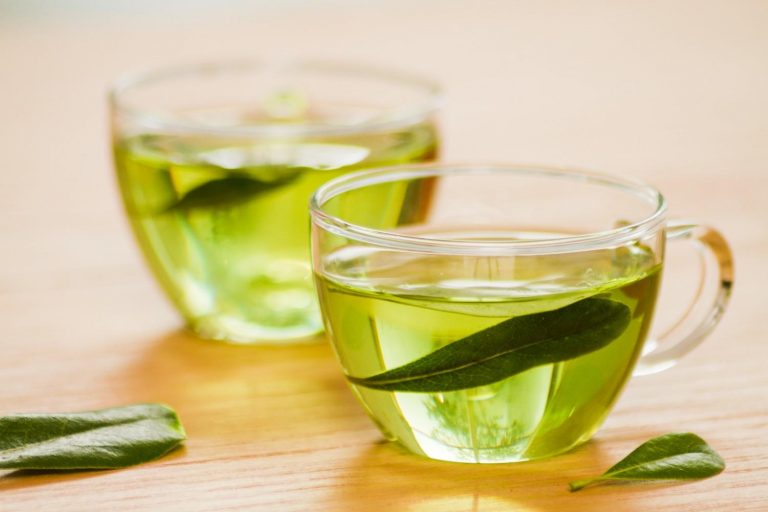

Bamboo tea, derived from the leaves of the bamboo plant, is gaining recognition for its numerous health benefits, particularly in promoting hair health. Many individuals struggle with hair issues, ranging from thinning to brittle strands. This common concern can stem from various factors, including nutritional deficiencies, environmental stressors, and lifestyle choices. Addressing these issues often requires a multifaceted approach that includes dietary changes, proper hair care, and the inclusion of beneficial herbal remedies.
Bamboo tea presents a natural solution, rich in essential nutrients that support hair strength and growth. Silica, a key component found abundantly in bamboo, plays a significant role in hair structure and health. As people seek holistic and effective ways to enhance their hair, bamboo tea emerges as a powerful ally. This guide delves into the benefits of bamboo tea for hair health, providing actionable insights into its usage, scientific backing, and practical advice for incorporating it into daily routines.
Understanding the mechanics of hair growth and health can empower individuals to make informed choices. When hair is nourished from within, it reflects in its appearance, texture, and overall vitality. Bamboo tea not only nourishes hair but also contributes to overall well-being. This dual benefit makes it a valuable addition to any health-conscious individual’s regimen.
The journey to healthy hair begins with knowledge, and this guide aims to equip you with the necessary information to harness the benefits of bamboo tea effectively. From preparation methods to lifestyle habits that complement its effects, every aspect will be explored in detail.
Contents
How to Use Bamboo Tea for Real Results
- Best Form: Loose leaf tea or tea bags
- Best Time: Morning or early afternoon
- Expected Result: Improved hair strength and shine
For Daily Protection
The preparation of bamboo tea for daily consumption is straightforward. Start with high-quality bamboo leaves, either loose-leaf or in tea bags. Use about one teaspoon of loose leaves or one tea bag per cup of water. Boil fresh water and let it cool slightly before pouring it over the leaves. This ensures the delicate nutrients are preserved. Allow it to steep for about five to seven minutes for optimal flavor and benefits.
To enjoy the tea, simply strain the leaves or remove the tea bag. Sip slowly to appreciate its naturally mild flavor. Drinking it in the morning or early afternoon can set a positive tone for the day. This routine not only hydrates but also fortifies hair from within, making it resilient against daily stressors.
After consuming bamboo tea, you may notice a gentle warmth spreading through your body, accompanied by a sense of calm. This soothing sensation can last for a while, promoting overall well-being. Regular consumption can lead to noticeable improvements in hair texture and strength over time.
Pro Tip: Try adding a splash of lemon for added vitamin C, which can enhance absorption of nutrients.
Boosting Hair Growth
To specifically target hair growth, consider preparing a stronger infusion. Use two teaspoons of bamboo leaves per cup of water. Follow the same boiling and steeping process, but extend the steeping time to about ten minutes. This method extracts more beneficial compounds, particularly silica, which is crucial for hair growth.
Drink this concentrated tea in the afternoon, allowing its nutrients to work synergistically with your body’s natural rhythms. This timing ensures that the body can effectively utilize the nutrients for hair health. Consistent intake can stimulate hair follicles and promote new growth, especially when combined with a balanced diet rich in vitamins and minerals.
Upon drinking the stronger infusion, a noticeable tingling sensation may occur on the scalp, indicating increased blood flow and nutrient delivery to hair follicles. This invigorating feeling can last for an hour or so, enhancing the connection between your body and hair health.
Pro Tip: Pair this tea with scalp massages to further stimulate hair follicles and enhance absorption.
The Nighttime Routine
Incorporating bamboo tea into your nighttime routine can promote relaxation and hair health simultaneously. Prepare a soothing cup using one teaspoon of bamboo leaves steeped in hot water for about five minutes. This gentle infusion can be enjoyed before bedtime, providing a calming ritual to wind down your day.
Drinking bamboo tea in the evening not only supports hair health but also aids in relaxation. The gradual onset of calmness can help improve sleep quality, which is vital for hair regeneration. Consistent use can lead to stronger, healthier hair as your body repairs and rejuvenates overnight.
After enjoying the tea, you may feel a sense of tranquility wash over you, making it easier to drift into a restful sleep. This peaceful sensation can enhance your overall hair health by allowing your body to focus on restoration and growth during the night.
Pro Tip: Combine this routine with a nourishing hair oil treatment for enhanced benefits while you sleep.
Common Errors to Avoid When Using Bamboo Tea
Using Low-Quality Leaves
One of the most common mistakes is opting for low-quality bamboo leaves. Poor quality can lead to reduced efficacy and even potential side effects. Lower-grade leaves may contain impurities or lack the essential nutrients found in high-quality sources. Always choose organic or reputable brands known for their quality.
To ensure you get the best results, look for leaves that are vibrant in color and have a fresh aroma. Investing in quality bamboo tea can significantly enhance its benefits for hair health. This choice not only affects the flavor but also the concentration of nutrients you receive, ultimately impacting your hair’s strength and growth.
Choosing high-quality bamboo leaves can make a noticeable difference in the results you experience. You will likely see improvements in your hair’s appearance and texture, leading to healthier and more resilient strands.
Inconsistent Consumption
Another frequent error is inconsistency in consumption. Many individuals may start strong but fail to maintain a regular routine. Hair health is a long-term commitment, and benefits often take time to manifest. Skipping days or only drinking tea sporadically can hinder progress and diminish results.
Establishing a consistent routine is crucial. Aim to drink bamboo tea daily or at least several times a week. This regularity will ensure a steady supply of nutrients to support hair growth and health. Consider setting reminders or integrating it into your daily habits to make it easier to stick to your routine.
Consistency in consumption can lead to cumulative benefits, allowing your hair to thrive over time. By making bamboo tea a regular part of your life, you will likely notice significant improvements in your hair’s overall health and vitality.
Neglecting Other Nutritional Needs
Relying solely on bamboo tea while neglecting other nutritional needs is a common pitfall. While bamboo tea is beneficial, it should complement a balanced diet rich in vitamins and minerals essential for hair health. Neglecting nutrients like biotin, zinc, and vitamins A and E can limit the effectiveness of bamboo tea alone.
To maximize the benefits, focus on a well-rounded diet that includes fruits, vegetables, lean proteins, and healthy fats. This holistic approach ensures that your body has all the necessary components to support hair growth and overall wellness. Incorporating bamboo tea into this balanced diet can amplify its effects on hair health.
By addressing all aspects of nutrition, you can create an optimal environment for hair growth and health. This combined strategy will lead to more significant and lasting improvements in your hair’s appearance and texture.
The Science Behind Bamboo Tea
Bamboo tea’s effectiveness in promoting hair health is largely attributed to its rich silica content. Silica is a vital mineral that plays a critical role in the formation of collagen and elastin, both essential for maintaining hair structure. When silica levels are adequate, hair strands become stronger and more resilient, reducing the risk of breakage and promoting growth.
The primary compound contributing to bamboo tea’s benefits is known as bamboo silica. This naturally occurring compound is unique to bamboo and is highly bioavailable, meaning the body can easily absorb and utilize it. Silica not only strengthens hair but also improves its elasticity, making it less prone to damage from environmental factors.
Clinical studies have shown that silica supplementation can lead to improved hair thickness and reduced hair loss. Research indicates that individuals who consume silica regularly may experience enhanced hair growth and overall hair health. For more detailed evidence, you can explore this PubMed search that provides insights into the correlation between silica and hair health.
Choosing the Right Bamboo Tea Product
- Potency: Look for products that specify silica content, as higher potency often correlates with better results.
- Purity: Choose organic bamboo tea to avoid pesticides and contaminants that can diminish health benefits.
- Form: Consider whether you prefer loose leaf or tea bags, as each may offer different steeping experiences and flavor profiles.
Benefits vs Risks
| The Benefits | Potential Downsides |
|---|---|
| Rich in silica, promoting hair strength and growth. | Possible allergic reactions in sensitive individuals. |
| Natural ingredient, free from artificial additives. | May interact with certain medications. |
| Hydrating and nourishing for overall health. | Overconsumption could lead to digestive discomfort. |
Habits for Enhanced Benefits
Incorporating regular scalp massages can significantly enhance the benefits of bamboo tea. Massaging stimulates blood circulation to the scalp, promoting better nutrient absorption and encouraging hair growth. This practice, combined with bamboo tea, creates a powerful synergy for hair health.
Maintaining hydration is another crucial habit. Drinking sufficient water daily ensures that your body functions optimally, aiding in the absorption of nutrients from bamboo tea. Proper hydration supports not only hair health but overall well-being, making it an essential aspect of your routine.
Who Should Avoid This?
– Individuals with known allergies to bamboo or related plants
– Pregnant or breastfeeding women without consulting a healthcare provider
– Those taking anticoagulant medications due to potential interactions
– Individuals with specific health conditions that may be exacerbated by herbal teas
Common Questions
Can bamboo tea help with hair loss?
Yes, bamboo tea can support hair health by providing silica, which strengthens hair and promotes growth.
How often should I drink bamboo tea for optimal results?
For best results, aim to consume bamboo tea daily or several times a week as part of a balanced diet.
Is bamboo tea safe for everyone?
While generally safe, individuals with specific allergies or health conditions should consult a healthcare provider before use.
What is the best time to drink bamboo tea?
Morning or early afternoon is ideal for maximizing its benefits, though it can also be enjoyed in the evening for relaxation.
The Bottom Line
Bamboo tea offers numerous benefits for hair health, particularly due to its silica content.
- The Truth: While beneficial, bamboo tea should not be a sole solution for hair issues.
- The Strategy: Regular consumption alongside a balanced diet yields the best results.
- The Next Step: Incorporate scalp massages and proper hydration to enhance hair health.
Get Your FREE Natural Health Guide!
Subscribe now and receive our exclusive ebook packed with natural health tips, practical wellness advice, and easy lifestyle changes, delivered straight to your inbox.