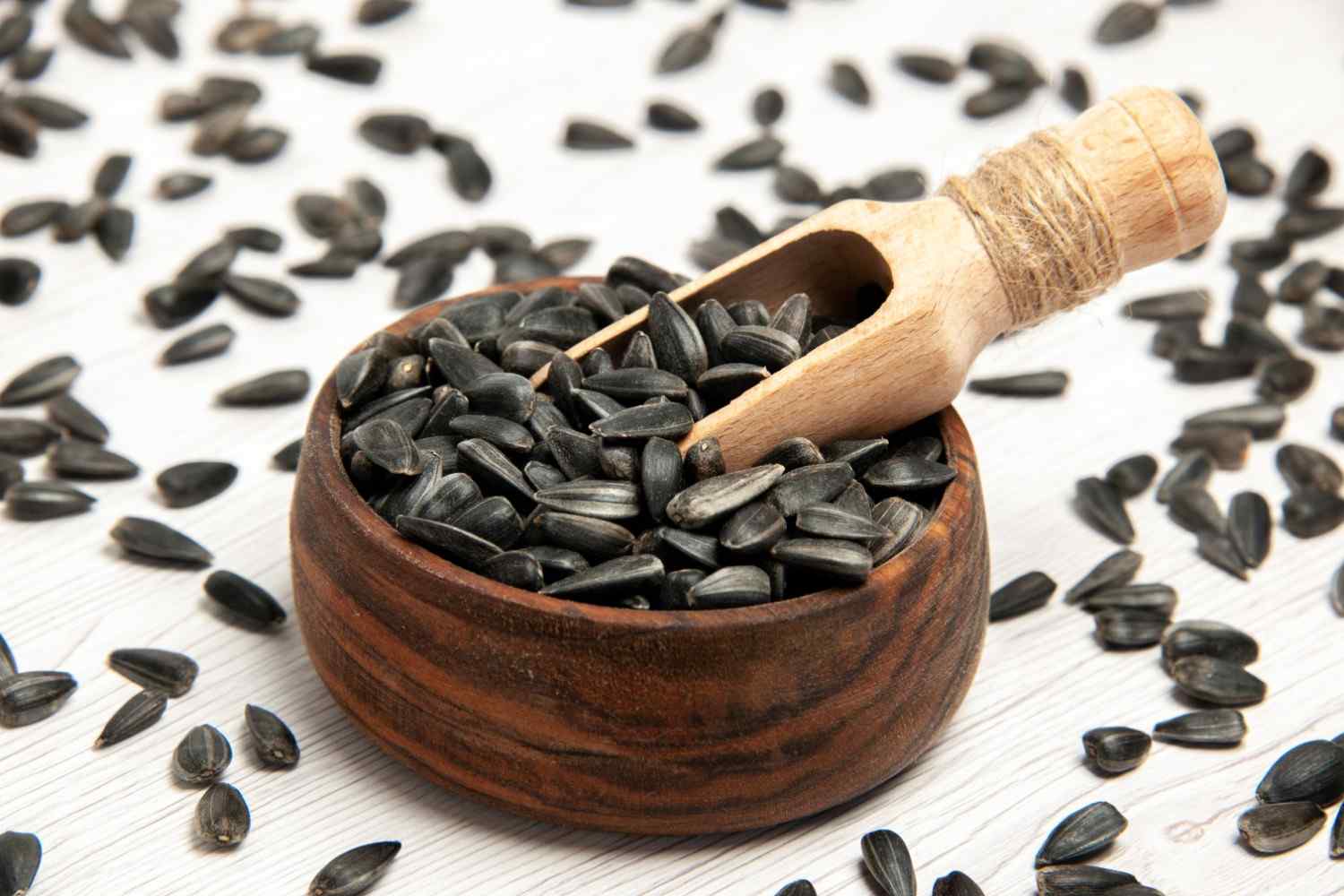

Sunflower seeds are often overlooked in discussions about nutrition and health. However, these small yet powerful seeds are packed with nutrients that can significantly enhance eye health. Many individuals experience vision-related issues due to various factors, including age, environmental stressors, and lifestyle choices. With the increasing prevalence of eye problems, exploring natural solutions becomes imperative. Sunflower seeds can be a valuable addition to your diet, offering a wealth of benefits for maintaining and improving vision.

The unique composition of sunflower seeds makes them particularly beneficial for eye health. Rich in antioxidants, vitamins, and essential fatty acids, they play a crucial role in protecting the eyes from oxidative stress and inflammation. Furthermore, incorporating sunflower seeds into your daily routine can provide a simple and effective strategy for enhancing overall well-being, particularly for your vision.
This guide delves into the various benefits of sunflower seeds specifically for eye health. It will detail practical applications, common mistakes to avoid, scientific insights, and much more. By the end of this exploration, you will be equipped with the knowledge to make informed decisions about incorporating sunflower seeds into your diet for optimal eye health.
Understanding how to utilize sunflower seeds effectively can lead to real results. This guide will provide actionable strategies, ensuring you can maximize the benefits of these tiny nutritional powerhouses.
Contents
How to Use Sunflower Seeds for Real Results
- Best Form: Raw or lightly roasted seeds
- Best Time: Daily as a snack or added to meals
- Expected Result: Improved eye health and reduced risk of vision-related issues
For Daily Protection
The Prep: Start with a handful of raw sunflower seeds. Ensure they are unsalted and unflavored to maximize health benefits. You may also consider soaking them in water overnight to enhance digestibility.
The Action: Consume a quarter cup of sunflower seeds daily. You can eat them on their own or mix them into your morning oatmeal or yogurt. Another option is to blend them into smoothies for a nutritious boost.
The Feeling: As you include sunflower seeds in your diet, you may notice a gradual increase in energy levels and a sense of well-being. This can contribute to improved focus and clarity, particularly in tasks requiring visual attention.
Pro Tip: Experiment with different recipes that incorporate sunflower seeds for variety and enhanced enjoyment.
Boosting Nutrient Absorption
The Prep: Combine sunflower seeds with foods high in vitamin C, such as citrus fruits or bell peppers. This combination enhances the absorption of fat-soluble vitamins contained in the seeds.
The Action: Prepare a salad featuring fresh greens, chopped bell peppers, and a sprinkle of sunflower seeds. Drizzle with a lemon vinaigrette to add a burst of flavor and additional vitamin C.
The Feeling: You may experience a refreshing crunch in your salad, accompanied by a zesty flavor that brightens your meal. This combination not only elevates taste but also boosts your nutrient intake.
Pro Tip: Keep pre-portioned bags of sunflower seeds on hand for quick and easy snacks throughout the day.
The Evening Wind Down
The Prep: Create a calming evening snack using sunflower seeds. You can pair them with herbal tea or yogurt for a relaxing end to your day.
The Action: Mix sunflower seeds with a tablespoon of honey and a pinch of cinnamon. This mix can be enjoyed with a cup of chamomile tea or as a topping on yogurt.
The Feeling: As you enjoy this soothing snack, you may feel a sense of relaxation wash over you. The combination of nutrients can promote a restful night’s sleep and help reduce eye strain from the day.
Pro Tip: Consider keeping a journal of how you feel after different meals to help identify what works best for your body.
Common Errors to Avoid
Overconsumption of Processed Seeds
Many people opt for flavored or heavily salted sunflower seeds, believing they are a healthier snack option. However, these additives can significantly reduce the health benefits of the seeds. Processed versions often contain unhealthy oils and excessive sodium, which can counteract the positive effects on eye health.
The solution lies in choosing raw or lightly roasted seeds. These forms retain the maximum amount of nutrients. Focusing on whole foods can help ensure you are reaping the full benefits of sunflower seeds.
Ignoring Quality
Not all sunflower seeds are created equal. Purchasing low-quality seeds can lead to a lack of essential nutrients and may introduce harmful additives. Opting for organic or non-GMO seeds can ensure that you are consuming a product free from pesticides and other harmful chemicals.
Investing in high-quality seeds enhances your overall health and ensures you receive the maximum benefits for your eyes. Look for reputable brands and read labels carefully to avoid poor-quality options.
Neglecting Variety
Relying solely on sunflower seeds for eye health can lead to nutritional imbalances. While they are beneficial, they should be part of a diverse diet rich in various fruits, vegetables, and whole grains.
Incorporating a range of foods ensures you receive a broad spectrum of nutrients essential for eye health. A varied diet can help provide antioxidants, vitamins, and minerals that synergistically support overall vision health.
The Mechanism Behind Eye Health
Biological Mechanism: Sunflower seeds contain essential nutrients that contribute to eye health. They are rich in vitamin E, an antioxidant that protects the eyes from oxidative stress caused by free radicals. This oxidative stress can lead to age-related macular degeneration and cataracts.
Key Compound: The primary compound in sunflower seeds that supports eye health is lutein. Lutein is a carotenoid that filters blue light and protects the retina from damage. Adequate levels of lutein in the diet can significantly reduce the risk of developing eye-related issues over time.
Clinical Evidence: Several studies have highlighted the protective role of lutein and vitamin E in eye health. Research indicates that higher intake of these nutrients is associated with a lower risk of age-related macular degeneration. For further reading on the benefits of vitamin E, you can visit the NIH ODS Fact Sheet.
Choosing the Right Product
– **Potency:** Selecting sunflower seeds with a higher concentration of nutrients ensures you receive the maximum benefits. Higher potency means more vitamins and minerals per serving.
-
Purity: Opting for organic sunflower seeds guarantees that they are free from harmful pesticides and additives. This purity enhances the overall health benefits and safety of the seeds.
-
Form: Raw or lightly roasted sunflower seeds retain more nutrients compared to heavily processed varieties. Choosing the right form can significantly impact the health benefits you receive.
Benefits vs Risks
| The Benefits | Potential Downsides |
|---|---|
| Rich in antioxidants that protect eye health | Overconsumption can lead to excessive calorie intake |
| Supports overall wellness due to nutrient density | Potential allergic reactions in some individuals |
| Easy to incorporate into various meals | Quality varies significantly between brands |
Habits for Enhanced Eye Health
Incorporating regular eye exercises into your daily routine can significantly improve eye health. Simple exercises like focusing on distant objects can strengthen eye muscles and reduce strain.
Maintaining a balanced diet rich in fruits, vegetables, and whole grains alongside sunflower seeds can further support overall eye health. This combination ensures a variety of nutrients that work synergistically to protect vision.
Who Should Avoid This?
– Individuals with nut or seed allergies
– Those on specific dietary restrictions that limit fatty foods
– Individuals taking medications that may interact with high vitamin E intake
Common Questions
Can sunflower seeds help with night vision?
Sunflower seeds contain vitamin E and lutein, which can contribute to better night vision by protecting the retina from damage.
How often should I eat sunflower seeds?
A daily intake of a quarter cup is generally recommended for optimal health benefits.
Are there any side effects?
Overconsumption can lead to weight gain due to high calorie content. Moderation is key.
Can I use sunflower seed oil instead?
While sunflower seed oil contains some beneficial compounds, it lacks the fiber and other nutrients found in whole seeds.
The Bottom Line
Incorporating sunflower seeds into your diet can significantly enhance your eye health.
- The Truth: While they are beneficial, they should be part of a balanced diet.
- The Strategy: Aim to consume them daily for maximum benefits.
- The Next Step: Consider integrating other nutrient-rich foods into your meals.
Get Your FREE Natural Health Guide!
Subscribe now and receive our exclusive ebook packed with natural health tips, practical wellness advice, and easy lifestyle changes, delivered straight to your inbox.