
Mackerel, a fatty fish rich in omega-3 fatty acids, has gained attention for its potential benefits in managing joint inflammation pain. Many individuals suffering from arthritis or other inflammatory conditions seek natural remedies to alleviate their discomfort. The pain and stiffness associated with joint issues can significantly impact daily life, leading to a search for effective dietary strategies.
Incorporating mackerel into one’s diet may provide a practical solution. The anti-inflammatory properties of omega-3 fatty acids found in mackerel can help reduce swelling and pain. Additionally, the nutrients in this fish can support overall joint health, making it a valuable addition to a balanced diet.
Understanding how mackerel can ease joint inflammation pain requires a closer look at its specific components and how they interact with the body. This guide will explore the practical applications of mackerel, common mistakes to avoid when using it, the science behind its benefits, and tips for selecting the right products.
The information presented here is designed to empower individuals with actionable insights, enabling them to make informed choices that may enhance their quality of life.
Contents
How to Use Mackerel for Real Results
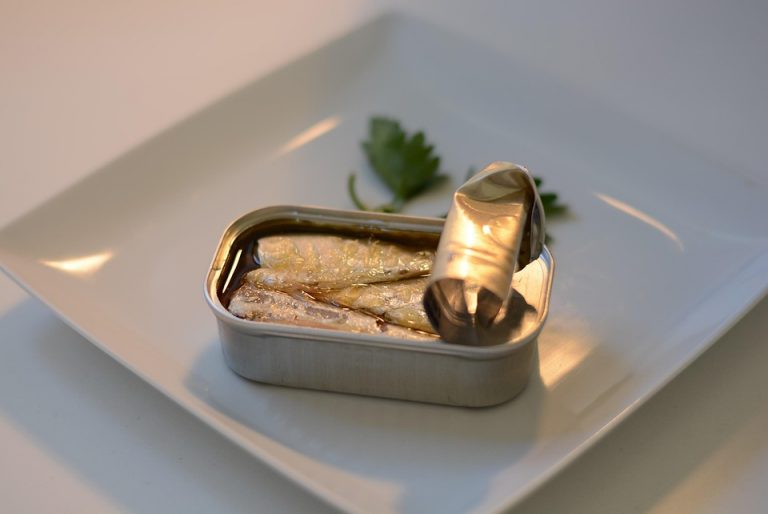
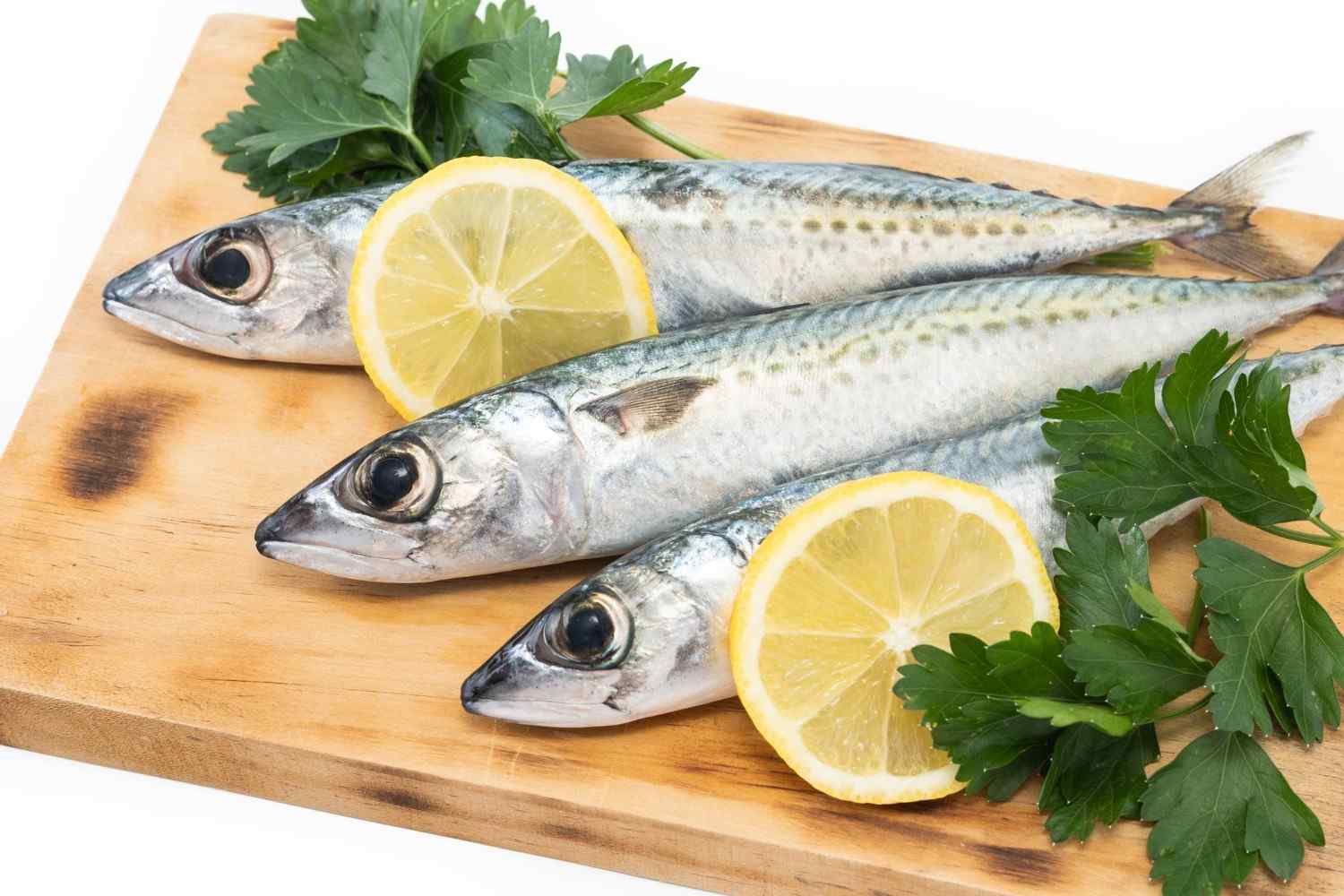
- Best Form: Fresh or canned mackerel.
- Best Time: Two to three times a week.
- Expected Result: Reduced inflammation and joint pain.
For Daily Protection
The Prep: Start with fresh or canned mackerel. If using fresh, ensure it is cleaned and filleted. Gather olive oil, lemon juice, garlic, and herbs like rosemary or thyme. These additional ingredients enhance flavor and provide extra health benefits.
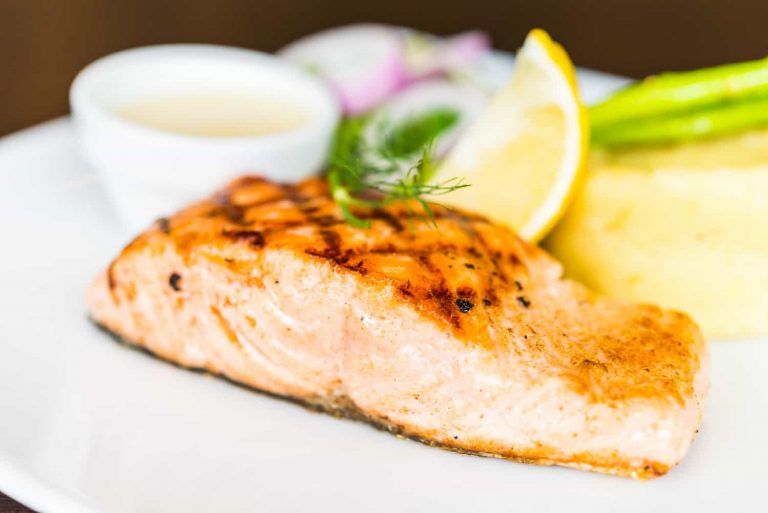
The Action: Prepare a simple marinade by mixing olive oil, lemon juice, minced garlic, and chopped herbs. Marinate the mackerel fillets for at least thirty minutes. Grill or bake the fillets at 375°F for about twenty minutes or until cooked through. Serve with a side of vegetables to create a balanced meal.
The Feeling: After consuming mackerel, many report a sense of satisfaction from a nutrient-dense meal. The omega-3 fatty acids may lead to a gradual reduction in joint discomfort, often felt within a few weeks of regular consumption.
Pro Tip: Pair mackerel with anti-inflammatory vegetables like spinach or broccoli for added benefits.
Targeting Acute Pain
The Prep: For immediate relief, consider a mackerel salad. Use canned mackerel for convenience. Gather mixed greens, cherry tomatoes, cucumbers, and a light vinaigrette.
The Action: Combine the mixed greens, chopped cherry tomatoes, and sliced cucumbers in a bowl. Drain the canned mackerel and flake it over the salad. Drizzle with vinaigrette and toss gently to combine.
The Feeling: This refreshing salad can provide a cooling sensation, especially if served chilled. The nutrients from the mackerel and fresh vegetables can help combat inflammation and provide a quick, satisfying meal.
Pro Tip: Keep canned mackerel on hand for quick meal prep without compromising on health benefits.
The Nighttime Routine
The Prep: For a bedtime snack, prepare mackerel spread. Use canned mackerel, cream cheese, and fresh herbs.
The Action: In a bowl, mix drained canned mackerel with cream cheese and chopped herbs like dill or chives. Spread the mixture on whole-grain crackers or toast for a nutritious snack before bedtime.
The Feeling: This snack is creamy and flavorful, offering a satisfying end to the day. The omega-3s may promote better sleep quality, contributing to overall recovery from inflammation.
Pro Tip: Experiment with different herbs to find your favorite flavor combination.
Common Mistakes to Avoid
Using Low-Quality Fish
Opting for low-quality mackerel can diminish its health benefits. Fish that are not fresh or are poorly processed may contain contaminants that can contribute to inflammation rather than alleviate it. Choosing high-quality, sustainably sourced mackerel is crucial for maximizing the nutritional benefits.
To ensure quality, look for certifications from sustainable fishing organizations. Fresh mackerel should have a clean smell and firm texture. Canned options should have a transparent ingredient list without unnecessary additives.
Ignoring Portion Sizes
Overconsumption of any food can lead to imbalances in the diet. While mackerel is beneficial, it is essential to consume it in moderation. Eating excessive amounts can lead to increased calorie intake and potential mercury exposure, especially in larger fish.
Aim for two to three servings of mackerel per week, balancing it with other protein sources. This approach helps maintain a well-rounded diet while still reaping the anti-inflammatory benefits of mackerel.
Neglecting Cooking Methods
The way mackerel is prepared can significantly impact its health benefits. Frying mackerel in unhealthy oils or adding excessive salt can negate its positive effects. Instead, opt for grilling, baking, or steaming to preserve the fish’s nutritional integrity.
Using healthy cooking methods not only enhances flavor but also ensures that the beneficial omega-3 fatty acids remain intact. Experiment with herbs and spices to create delicious, healthy meals that support joint health.
The Science Behind Mackerel’s Benefits
The biological mechanism through which mackerel alleviates joint inflammation involves omega-3 fatty acids. These essential fats compete with omega-6 fatty acids for metabolic pathways. By increasing omega-3 intake, the body can produce anti-inflammatory eicosanoids, which help reduce inflammation in joints.
Key compounds in mackerel include EPA and DHA, two types of omega-3 fatty acids. EPA is particularly effective in reducing inflammatory markers in the body. DHA supports the structural integrity of cell membranes, which is crucial for joint health.
Clinical evidence supports the role of omega-3 fatty acids in managing joint pain. A study published in the Journal of Nutrition indicates that omega-3 supplementation can significantly lower inflammatory markers in patients with arthritis. For more detailed information, refer to this PubMed search for relevant studies.
Choosing the Right Product
- Potency: Look for mackerel with high omega-3 content. This ensures maximum anti-inflammatory benefits.
- Purity: Select products tested for contaminants like mercury. This is crucial for long-term health.
- Form: Fresh or canned options both have unique benefits. Fresh fish offers a vibrant flavor, while canned is convenient and shelf-stable.
Benefits vs Risks
| The Benefits | Potential Downsides |
|---|---|
| Rich in omega-3 fatty acids | Possible mercury contamination in certain fish |
| Supports joint health | Caloric intake can increase if consumed in excess |
| Versatile in recipes | Allergies or sensitivities to fish |
Habits to Enhance Benefits
Incorporating regular physical activity into your routine can complement the anti-inflammatory effects of mackerel. Engaging in low-impact exercises like swimming or yoga can improve joint mobility and reduce stiffness.
Mindfulness practices, such as meditation or deep breathing, can help manage stress, which may also contribute to inflammation. Integrating these habits alongside a mackerel-rich diet can promote overall wellness.
Who Should Avoid This?
- Individuals with fish allergies
- Pregnant women should consult a healthcare provider due to mercury concerns
- People on specific medications that may interact with omega-3 fatty acids
Common Questions
Can mackerel help with rheumatoid arthritis?
Research suggests that the omega-3 fatty acids in mackerel may help reduce inflammation associated with rheumatoid arthritis.
How often should I eat mackerel?
Two to three times a week is generally recommended for optimal benefits.
Is canned mackerel as healthy as fresh?
Canned mackerel can be just as nutritious as fresh, provided it is from a reputable source and free from additives.
What are the best ways to prepare mackerel?
Grilling or baking mackerel with herbs and spices is an excellent way to preserve its nutrients while enhancing flavor.
Bottom Line
Mackerel can be a beneficial addition to a diet aimed at reducing joint inflammation pain.
- The Truth: While mackerel is a powerful ally, it is not a standalone solution for joint issues.
- The Strategy: Incorporate mackerel into meals two to three times a week for the best results.
- The Next Step: Combine dietary changes with physical activity for comprehensive joint health.
Get Your FREE Natural Health Guide!
Subscribe now and receive our exclusive ebook packed with natural health tips, practical wellness advice, and easy lifestyle changes, delivered straight to your inbox.