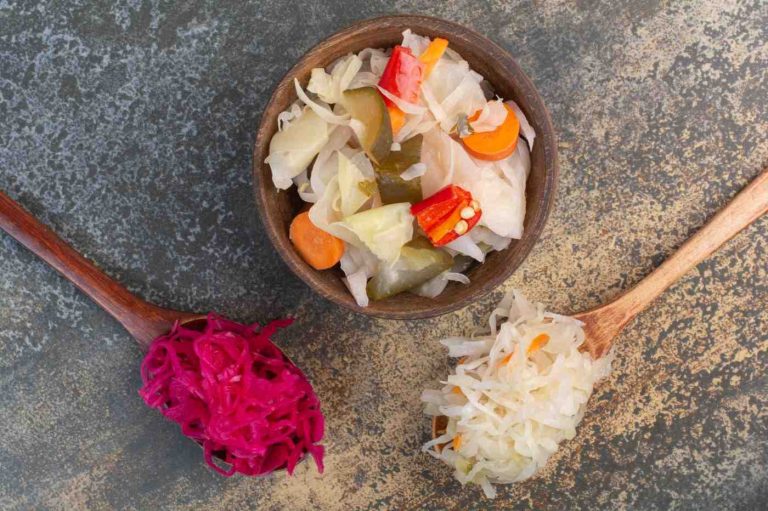

Kimchi has emerged as a powerhouse in the realm of gut health. This fermented delicacy, rich in probiotics, offers a flavorful solution to many digestive issues. Many individuals struggle with gut-related problems such as bloating, constipation, or irregular bowel movements. These issues can significantly affect daily life and overall well-being. Incorporating kimchi into the diet can be a game-changer, providing not only taste but also essential nutrients that promote a healthy gut flora.
The connection between gut health and overall wellness cannot be overstated. A balanced microbiome is crucial for digestion, immune function, and even mental health. Fermented foods like kimchi play a vital role in maintaining this balance. Kimchi is made from fermented vegetables, primarily napa cabbage and radishes, combined with a variety of spices and seasonings. This process not only enhances flavor but also increases the bioavailability of nutrients and probiotics that support gut health.
Choosing to include kimchi in your daily routine can lead to significant improvements in digestive comfort and overall vitality. The process of fermentation creates beneficial bacteria, or probiotics, which can aid in digestion and contribute to a balanced gut microbiome. This ancient food not only adds zest to meals but also serves as a natural remedy to enhance digestive health and restore balance.
Understanding how to effectively incorporate kimchi into your diet is essential for reaping its benefits. This guide will explore practical applications, common mistakes to avoid, the science behind its effectiveness, and tips for selecting the best products. By the end, you will have a comprehensive understanding of how kimchi can be a flavorful ally in boosting your digestive health.
Contents
How to Use Kimchi for Real Results
- Best Form: Raw, unpasteurized kimchi
- Best Time: With meals or as a snack
- Expected Result: Improved digestion and gut health
For Daily Protection
The Prep: Gather fresh, raw kimchi from a reliable source. Look for varieties that are unpasteurized to ensure maximum probiotic content. You may also want to have a bowl and utensils ready for serving.
The Action: Start by serving a small portion of kimchi alongside your main meals. Aim for about a quarter cup with each meal. This method allows your body to gradually adjust to the influx of probiotics. Mix it into rice or salads to enhance flavor and nutritional value.
The Feeling: After consuming kimchi, you may notice a slight tingling sensation in your mouth due to the spices and fermentation. This feeling generally lasts for a few minutes and is often followed by a sense of fullness and satisfaction.
Pro Tip: Pair kimchi with fiber-rich foods to enhance its digestive benefits.
Targeting Digestive Discomfort
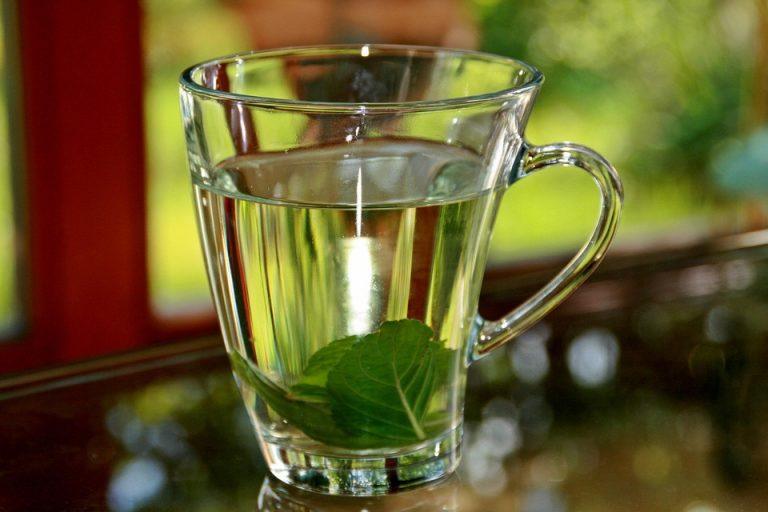
The Prep: Prepare a serving of kimchi and have some warm water or herbal tea on hand. This combination can help soothe the digestive tract.
The Action: When experiencing digestive discomfort, consume a larger portion of kimchi, about half a cup. Follow this with warm water or herbal tea to aid in digestion. This process helps your body absorb the probiotics while providing a soothing effect.
The Feeling: You may feel a warming sensation in your stomach as the probiotics work to balance your gut flora. This feeling can last for about 30 minutes, often leading to relief from bloating or discomfort.
Pro Tip: Keep a jar of kimchi in your fridge for quick access when digestive issues arise.
The Nighttime Routine
The Prep: Set aside a small bowl of kimchi before dinner. This can be a part of your evening meal or a light snack.
The Action: Consume a small portion of kimchi about an hour before bed. This timing allows your body to digest the probiotics overnight. Pair it with a light protein source, like tofu or fish, to create a balanced snack.
The Feeling: You may experience a gentle warmth in your stomach as the probiotics begin to work. This sensation can promote relaxation and aid in a restful night’s sleep.
Pro Tip: Avoid consuming kimchi too late at night to prevent any potential discomfort from the spices.
Mistakes to Avoid When Using Kimchi
Choosing Pasteurized Varieties
Selecting pasteurized kimchi can significantly reduce its probiotic content. Pasteurization kills beneficial bacteria, negating the health benefits associated with fermentation. Always opt for raw, unpasteurized kimchi to ensure you are receiving the maximum probiotic benefits.
Another common mistake is assuming that any kimchi is beneficial. Many commercial brands add preservatives or artificial ingredients that can detract from the health properties of kimchi. Reading labels and selecting high-quality products is essential for achieving desired results.
Overconsumption
Many individuals mistakenly believe that consuming large amounts of kimchi will yield faster results. However, overconsumption can lead to digestive discomfort, including gas and bloating. Introducing kimchi gradually into your diet allows your body to adjust to the influx of probiotics.
It’s crucial to balance kimchi intake with other foods to maintain digestive harmony. Pairing kimchi with fiber-rich foods can enhance its benefits while preventing discomfort.
Ignoring Ingredient Quality
The quality of ingredients used in kimchi matters. Low-quality vegetables or spices can diminish the health benefits of the dish. Always select kimchi made with fresh, organic ingredients to maximize nutritional value.
Additionally, homemade kimchi often allows for better control over the ingredients used. This ensures that you can avoid harmful additives and tailor the flavor profile to your liking.
The Science Behind Fermented Vegetables
The biological mechanism of kimchi’s effectiveness lies in its fermentation process. During fermentation, beneficial bacteria proliferate, leading to an increase in probiotics. These probiotics help restore balance to the gut microbiome, improve digestion, and enhance nutrient absorption.
Lactobacillus is a key compound found in kimchi. This strain of bacteria is known for its ability to break down food and produce lactic acid, which can inhibit the growth of harmful bacteria. The presence of Lactobacillus contributes to the overall health benefits associated with consuming kimchi.
Clinical evidence supports the positive impact of fermented foods on gut health. Studies have shown that regular consumption of fermented foods can lead to improved gut microbiota diversity and better digestive function. For more detailed insights, refer to this PubMed search for related research.
Choosing the Right Product
– **Potency:** Look for kimchi with a high probiotic count. This ensures that you are getting enough beneficial bacteria to impact gut health positively.
– **Purity:** Select kimchi made from organic ingredients without preservatives. This maintains the integrity and health benefits of the fermented product.
– **Form:** Consider whether you prefer traditional jarred kimchi or fresh varieties from local markets. Fresh kimchi often has a more robust flavor and higher probiotic content.
Benefits vs Risks
| The Benefits | Potential Downsides |
|---|---|
| Rich in probiotics that enhance gut health | May cause digestive discomfort if overconsumed |
| Contains essential vitamins and minerals | Quality can vary significantly between brands |
| Can improve overall digestive function | Spicy varieties may not be suitable for everyone |
Habits for Enhanced Results
Engaging in regular physical activity can significantly enhance the benefits of consuming kimchi. Exercise promotes healthy digestion and can help maintain a balanced gut microbiome.
Mindful eating practices can also improve the digestive experience. Taking time to chew food thoroughly and savor meals can lead to better digestion and nutrient absorption.
Who Should Avoid This?
– Individuals with a sensitivity to spicy foods
– Those with gastrointestinal disorders, such as IBS
– People on a low-sodium diet due to kimchi’s salt content
– Anyone allergic to specific ingredients commonly used in kimchi, like garlic or fish sauce
Common Questions
Is kimchi suitable for everyone?
While kimchi offers many benefits, it may not be suitable for individuals with certain dietary restrictions or sensitivities. Always consult a healthcare provider if unsure.
How much kimchi should I consume daily?
A daily serving of about a quarter cup is generally recommended to reap the health benefits without causing digestive discomfort.
Can I make my own kimchi?
Yes, making your own kimchi allows you to control the ingredients and customize flavors to suit your preferences.
How long does kimchi last in the fridge?
Properly stored kimchi can last several months in the refrigerator. Always check for signs of spoilage before consumption.
The Bottom Line
Incorporating kimchi into your diet can significantly enhance your digestive health and overall well-being.
- The Truth: Not all kimchi is created equal; quality matters.
- The Strategy: Enjoy kimchi with meals for optimal benefits.
- The Next Step: Experiment with different varieties to find your favorite.
Get Your FREE Natural Health Guide!
Subscribe now and receive our exclusive ebook packed with natural health tips, practical wellness advice, and easy lifestyle changes, delivered straight to your inbox.