
High blood pressure, or hypertension, affects millions worldwide and poses significant health risks. This condition can lead to heart disease, stroke, and other serious complications. Many people seek ways to manage their blood pressure through diet, exercise, and lifestyle changes. Among the numerous dietary adjustments, increasing potassium intake has emerged as a compelling strategy. Potassium is a crucial mineral that helps to regulate sodium levels in the body and maintain fluid balance, which in turn can help lower blood pressure.
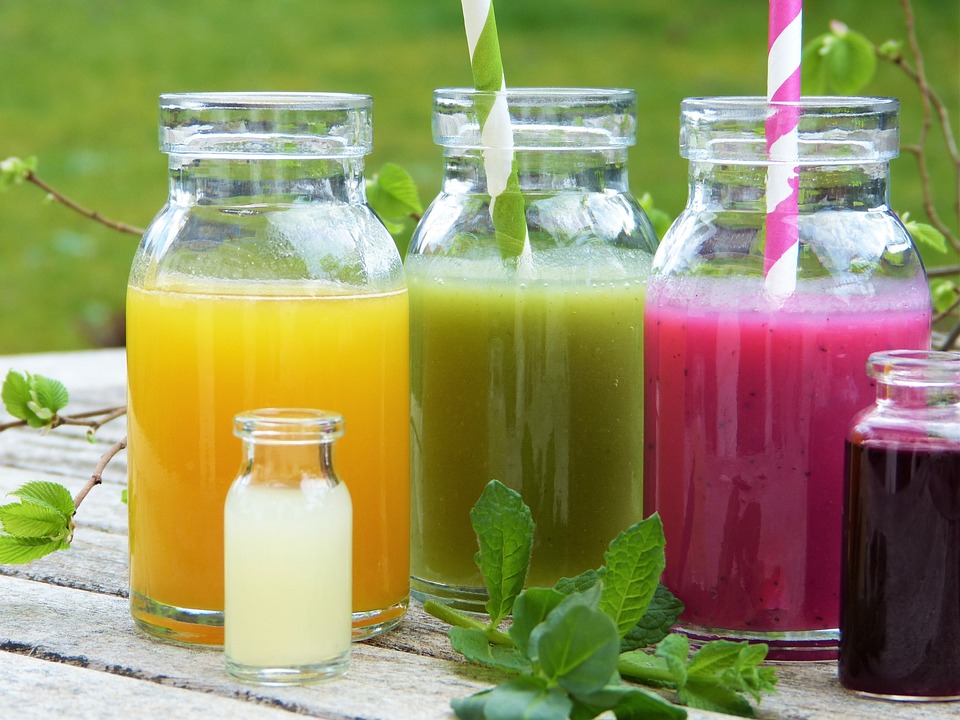
One effective and enjoyable way to boost potassium levels is through smoothies. These nutrient-packed beverages can combine a variety of potassium-rich ingredients, offering not only health benefits but also delicious flavors. Smoothies allow for easy incorporation of fruits, vegetables, and other healthful elements, making them a fantastic option for those looking to improve their heart health. This guide will explore specific smoothie recipes that harness the power of potassium to support healthy blood pressure levels.
Understanding how to create these smoothies is essential for maximizing their benefits. The right combination of ingredients can enhance the effects of potassium on blood pressure regulation. By focusing on the types of fruits and vegetables included, one can create smoothies tailored to individual tastes and nutritional needs. This guide will also address common mistakes, the science behind potassium’s role in blood pressure management, and practical tips for incorporating these smoothies into daily routines.
Whether you are seeking to lower your blood pressure or simply want to incorporate more potassium into your diet, this comprehensive guide will serve as a resource for creating effective smoothies. The following sections will delve into practical applications, common pitfalls, scientific insights, and more to help you on your wellness journey.
Contents
- How to Use Potassium-Rich Smoothies for Real Results
- Common Errors to Avoid When Making Potassium Smoothies
- The Science Behind Potassium and Blood Pressure
- Choosing the Right Ingredients for Your Smoothies
- Benefits vs Risks
- Healthy Lifestyle Habits to Enhance Potassium Intake
- Who Should Avoid This?
- Common Questions
- The Bottom Line
How to Use Potassium-Rich Smoothies for Real Results
- Best Form: Smoothies
- Best Time: Breakfast or post-workout
- Expected Result: Reduced blood pressure levels
For Daily Protection
The Prep: Start with one medium banana, which is rich in potassium. Add one cup of spinach, a known blood pressure supporter, and half a cup of unsweetened almond milk for a creamy texture. You may also add a tablespoon of chia seeds for extra fiber.
The Action: Place all ingredients in a blender. Blend on high for about 30 seconds or until smooth. If desired, adjust the thickness by adding more almond milk. Pour into a glass and enjoy immediately.
The Feeling: This smoothie provides a refreshing and creamy sensation. The sweetness from the banana balances the earthy flavor of spinach. The energy boost can last for several hours, making it an excellent start to the day.
Pro Tip: Use frozen bananas for a thicker texture and a colder smoothie.
Post-Workout Recovery
The Prep: Combine one cup of coconut water, which is hydrating and contains natural electrolytes, with one cup of kale, a powerhouse of nutrients. Add half a cup of pineapple for sweetness and extra potassium.
The Action: Blend the coconut water, kale, and pineapple until smooth. If you prefer a colder drink, add a handful of ice cubes before blending. Serve in a chilled glass.
The Feeling: This smoothie offers a tropical flavor profile that is both invigorating and refreshing. The hydration from coconut water helps to replenish lost electrolytes, leaving you feeling recharged.
Pro Tip: Experiment with different fruits like mango or berries to vary the taste.
The Evening Wind Down
The Prep: Use one medium ripe avocado, known for its healthy fats and potassium content. Combine it with one cup of unsweetened almond milk and a tablespoon of raw honey for sweetness.
The Action: Blend the avocado and almond milk together until creamy. Add honey to taste. For an extra touch, sprinkle some cinnamon, which has additional health benefits, before serving.
The Feeling: This smoothie has a rich and creamy texture. The calming properties of avocado can help you relax, making it perfect for winding down in the evening.
Pro Tip: Enjoy this smoothie about an hour before bedtime to promote relaxation.
Common Errors to Avoid When Making Potassium Smoothies
Using Low-Quality Ingredients
To avoid this pitfall, prioritize fresh, organic produce when possible. Choose ripe fruits and vibrant greens. Organic options may have higher nutrient content and fewer harmful chemicals. Many individuals focus solely on potassium-rich ingredients while neglecting other essential nutrients. A smoothie lacking balance may not provide the comprehensive health benefits you desire. To create a well-rounded smoothie, include a mix of macronutrients. Combine carbohydrates from fruits, healthy fats from sources like avocado, and protein from ingredients like Greek yogurt or protein powder. This approach ensures sustained energy and optimal nutrition. Another common error is adding too much sweetener or relying solely on high-sugar fruits. Excessive sugar can lead to spikes in blood sugar and may counteract the benefits of potassium. Limit sweeteners and opt for lower-sugar fruits such as berries and green apples. Focus on enhancing flavor with spices like cinnamon or ginger, which can also provide additional health benefits. Biological Mechanism: Potassium plays a vital role in regulating blood pressure by helping the body maintain fluid balance and counteracting the effects of sodium. It promotes vasodilation, which relaxes blood vessels and reduces the strain on the cardiovascular system. Key Compound: The primary compound in potassium-rich foods that aids in blood pressure control is potassium itself. This mineral works at the cellular level to regulate blood pressure and fluid balance, contributing to overall cardiovascular health. Clinical Evidence: Numerous studies have shown the relationship between potassium intake and lower blood pressure levels. A meta-analysis published in the National Institutes of Health indicates that increasing potassium intake can effectively lower both systolic and diastolic blood pressure in adults.Neglecting Balance
Overloading on Sugar
The Science Behind Potassium and Blood Pressure
Choosing the Right Ingredients for Your Smoothies
Benefits vs Risks
| The Benefits | Potential Downsides |
|---|---|
| Improved blood pressure regulation | Overconsumption may lead to digestive issues |
| Enhanced nutrient absorption | Some individuals may have potassium sensitivity |
| Convenient and delicious way to consume vegetables | Possible high sugar intake from fruits if not balanced |
Healthy Lifestyle Habits to Enhance Potassium Intake
Regular physical activity is crucial. Engaging in exercise can improve cardiovascular health and enhance the effects of dietary potassium. Aim for at least 150 minutes of moderate aerobic activity weekly.
Staying hydrated is equally important. Adequate hydration supports overall health and helps potassium function effectively in the body. Drink water throughout the day and consider hydrating foods to complement your smoothies.
Who Should Avoid This?
- Individuals with kidney disease, as high potassium levels can be dangerous.
- People taking certain medications that affect potassium levels, such as ACE inhibitors.
- Those with specific medical conditions that may require potassium restriction.
Common Questions
How often should I consume potassium-rich smoothies?
Including potassium-rich smoothies in your daily routine can be beneficial. Aim for one to two servings per day, depending on your overall diet.
Can I use frozen fruits instead of fresh?
Yes, frozen fruits are an excellent option. They retain most of their nutritional value and can provide a thicker texture to your smoothies.
What are some other potassium-rich foods?
In addition to smoothies, consider adding sweet potatoes, beans, and leafy greens to your meals for additional potassium intake.
Are there any side effects of consuming too much potassium?
Excessive potassium intake can lead to hyperkalemia, which may cause heart problems. It is crucial to balance your diet and consult a healthcare provider if you have concerns.
The Bottom Line
Incorporating potassium-rich smoothies into your diet can be an effective strategy for managing blood pressure.
- The Truth: While potassium can help, it is not a standalone solution for hypertension.
- The Strategy: Aim to consume potassium-rich smoothies regularly, particularly in the morning or after workouts.
- The Next Step: Consider tracking your potassium intake to ensure you meet your dietary needs.
Get Your FREE Natural Health Guide!
Subscribe now and receive our exclusive ebook packed with natural health tips, practical wellness advice, and easy lifestyle changes, delivered straight to your inbox.