
Green tea has garnered significant attention in recent years for its potential health benefits, particularly its ability to combat systemic inflammation. Inflammation is a natural response of the body to injury or infection. However, chronic inflammation is linked to various health issues, including heart disease, diabetes, and autoimmune disorders. The search for natural remedies to manage inflammation has led many to explore the properties of green tea, a beverage rich in antioxidants and other bioactive compounds.
The solution lies in understanding how green tea can be integrated into a daily routine to harness its anti-inflammatory properties. Many individuals are unaware of the specific compounds in green tea that contribute to its health benefits. By focusing on these elements, one can make informed choices about incorporating green tea into their wellness regimen. This guide aims to provide a comprehensive overview of how green tea can naturally reduce systemic inflammation while addressing practical applications, common mistakes, scientific backing, and lifestyle considerations.
The popularity of green tea stems not only from its delightful flavor but also from its rich history in traditional medicine. Cultivated for centuries in Asia, green tea has been praised for its health benefits, and modern research continues to validate these claims. As the world becomes more aware of the detrimental effects of chronic inflammation, the demand for natural solutions such as green tea is on the rise.
Understanding the multifaceted role of green tea in promoting health goes beyond mere consumption. It involves recognizing the specific ways in which it can be effectively utilized for maximum benefit. With this in mind, this guide will delve into practical applications, scientific insights, and other essential aspects of integrating green tea into daily life for reducing systemic inflammation.

Contents
How to Use Green Tea for Real Results
- Best Form: Loose leaf or high-quality tea bags.
- Best Time: Morning or early afternoon.
- Expected Result: Reduced inflammation and enhanced overall well-being.
For Daily Protection
The Prep: Start by selecting high-quality loose leaf green tea or premium tea bags. Gather fresh, filtered water and a teapot or infuser. The optimal temperature for brewing green tea is between 160 to 180 degrees Fahrenheit. This helps in extracting the beneficial compounds without making the tea bitter.
The Action: Boil the water and let it cool slightly. Add one teaspoon of loose leaf tea or one tea bag to your teapot or infuser. Pour the hot water over the tea and steep for about two to three minutes. This short steeping time ensures that the delicate flavors and antioxidants are preserved.
The Feeling: Upon sipping, expect a gentle warmth spreading through your body. The taste should be fresh and slightly grassy, with a soothing aftertaste. You may feel a sense of calm and alertness simultaneously, lasting for hours.
Pro Tip: Experiment with different varieties of green tea, like Sencha or Matcha, to find your preferred flavor profile.
Targeting Acute Pain
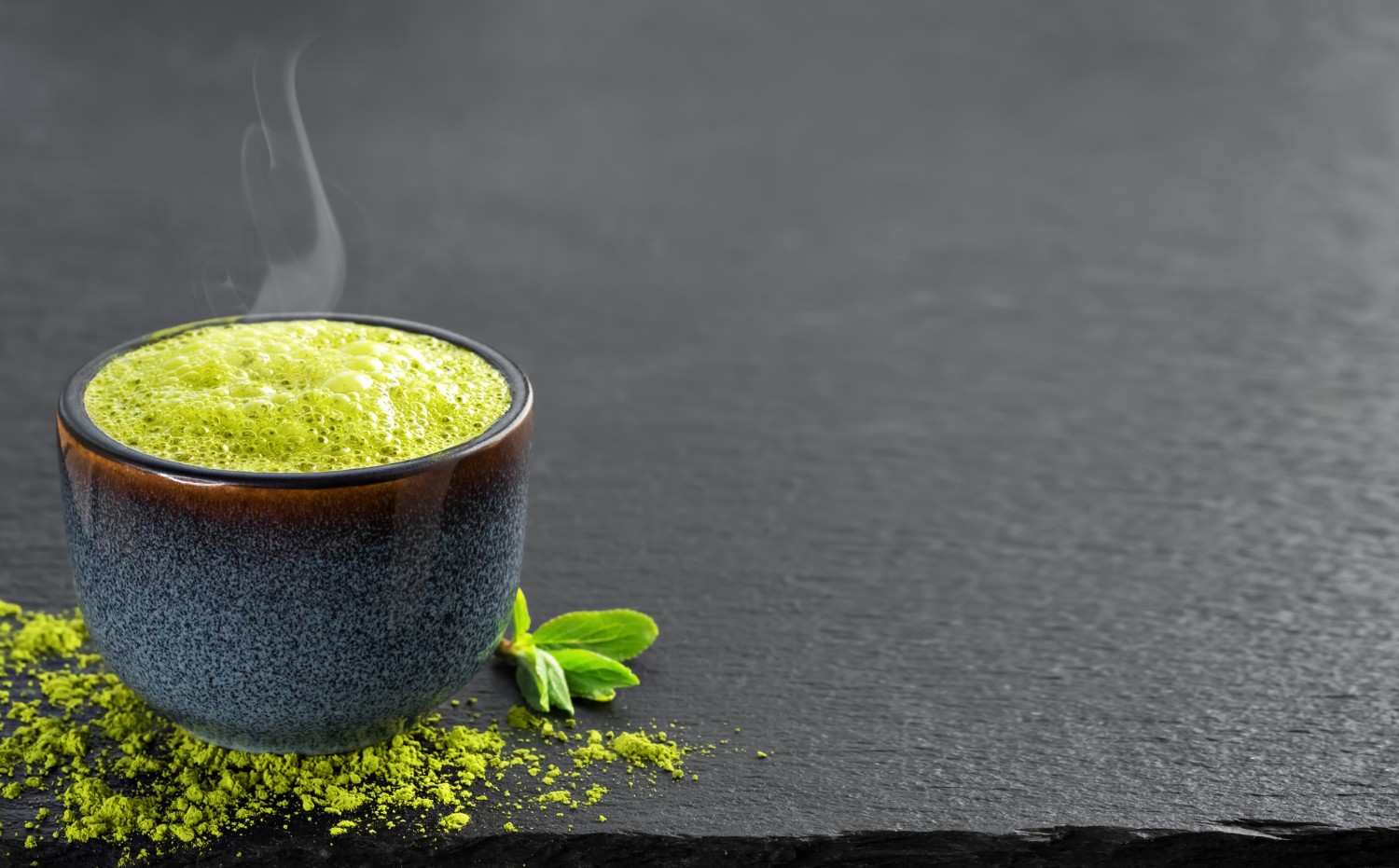
The Prep: Choose a high-quality green tea known for its anti-inflammatory properties, such as Matcha. Gather your ingredients, including warm water and a fine whisk if using powdered Matcha.
The Action: For Matcha, sift one teaspoon of the powder into a bowl. Add a small amount of warm water and whisk vigorously until frothy. Then, add more warm water to achieve your desired consistency. For bagged tea, follow the same brewing method as before.
The Feeling: The rich, earthy flavor of Matcha can provide a comforting sensation. You may notice a tingling feeling in your body as the antioxidants begin to work. This may help alleviate discomfort and provide a sense of relief that lasts throughout the day.
Pro Tip: Incorporate a splash of lemon juice for added vitamin C, which can further enhance the anti-inflammatory effects.
The Nighttime Routine
The Prep: Select a calming green tea blend that may include chamomile or peppermint. Gather your ingredients, including fresh water and a comfortable teacup.
The Action: Boil water and let it cool for a minute. Add one tea bag or one teaspoon of the herbal blend to your cup. Pour the water over the tea and steep for five minutes to allow the flavors to meld.
The Feeling: The aroma of the tea can create a relaxing atmosphere. Sipping this blend may induce a sense of tranquility, helping to reduce the day’s stress. Many report improved sleep quality after incorporating this routine into their evening ritual.
Pro Tip: Add a touch of honey for sweetness and additional soothing properties.
Avoiding Common Errors
Using Low Quality Tea
Many consumers opt for low-cost green tea, believing all varieties offer the same benefits. However, inferior quality tea often lacks the essential compounds that provide health benefits. These teas might be stale or poorly processed, leading to diminished antioxidant levels.
Choosing high-quality green tea ensures that you receive maximum health benefits. Look for organic options and check for freshness to ensure you are consuming the most potent tea available.
Ignoring Brewing Temperature
Brewing green tea at the wrong temperature can significantly alter its taste and efficacy. High temperatures can cause bitterness, while low temperatures may not extract the full range of beneficial compounds.
To avoid this error, familiarize yourself with the ideal brewing temperature for green tea, which is generally between 160 to 180 degrees Fahrenheit. This allows for optimal extraction of antioxidants without compromising flavor.
Oversteeping the Tea
Oversteeping green tea can lead to a harsh taste and a less enjoyable experience. This may result in a tea that is too bitter or astringent, deterring you from regular consumption.
To mitigate this mistake, stick to the recommended steeping time of two to three minutes. Use a timer if necessary to ensure that you do not exceed this time frame.
The Mechanism Behind Green Tea
Green tea exhibits its anti-inflammatory properties primarily through its rich content of polyphenols. These bioactive compounds help regulate inflammatory pathways in the body. By inhibiting pro-inflammatory cytokines, green tea can reduce inflammation and improve overall health.
The key compound responsible for these effects is epigallocatechin gallate (EGCG). This powerful antioxidant has been shown to combat oxidative stress, a significant contributor to chronic inflammation. Research indicates that EGCG can modulate immune responses, further supporting its role in reducing inflammation.
Clinical evidence supports the benefits of green tea in managing inflammation. A study published in the journal PubMed highlighted the positive effects of green tea consumption on inflammatory markers in individuals with chronic conditions. This underscores the importance of incorporating green tea into a holistic approach to wellness.
Selecting the Right Green Tea
- Potency: Choose teas with a high concentration of catechins to maximize health benefits. Higher potency means more active compounds that can combat inflammation effectively.
- Purity: Select organic, non-GMO green teas free from pesticides and additives. Pure teas ensure that you are not consuming harmful chemicals that may negate health benefits.
- Form: Loose leaf teas often provide a fresher and more potent flavor compared to bagged teas. Loose leaf options tend to retain essential oils and compounds better, enhancing the overall experience.
Benefits vs Risks
| The Benefits | Potential Downsides |
|---|---|
| Rich in antioxidants that combat oxidative stress | High caffeine content may cause jitters in sensitive individuals |
| Supports metabolic health and may aid in weight management | Excessive consumption can lead to stomach discomfort |
| May improve heart health by reducing cholesterol levels | Can interact with certain medications |
Healthy Habits to Enhance Benefits
Integrating green tea into a balanced lifestyle can amplify its health benefits. Regular physical activity promotes overall wellness and can enhance the anti-inflammatory effects of green tea. Pairing moderate exercise with green tea consumption can lead to better results in managing inflammation.
Mindfulness practices such as meditation or yoga can also complement the benefits of green tea. These practices help reduce stress and promote relaxation, further supporting the body’s natural anti-inflammatory processes.
Who Should Avoid This?
– Individuals with caffeine sensitivity.
– Pregnant or breastfeeding women.
– Those on anticoagulant medications.
– People with certain liver conditions.
– Anyone with gastrointestinal disorders.
Common Questions
How much green tea should I drink daily?
Aim for two to three cups per day to experience the health benefits without excessive caffeine intake.
Can I add sweeteners to my green tea?
Yes, natural sweeteners like honey can enhance flavor and provide additional health benefits.
Is green tea effective for weight loss?
Research indicates that green tea may help boost metabolism and support weight loss when combined with a healthy diet and exercise.
Are there any side effects of drinking green tea?
Some individuals may experience digestive discomfort or insomnia if they consume too much caffeine or drink it too close to bedtime.
The Bottom Line
Incorporating green tea into your daily routine can offer substantial benefits in managing systemic inflammation.
- The Truth: The effectiveness of green tea varies among individuals.
- The Strategy: Consume it during morning or early afternoon for optimal benefits.
- The Next Step: Consider pairing it with a balanced diet and regular exercise.
Get Your FREE Natural Health Guide!
Subscribe now and receive our exclusive ebook packed with natural health tips, practical wellness advice, and easy lifestyle changes, delivered straight to your inbox.