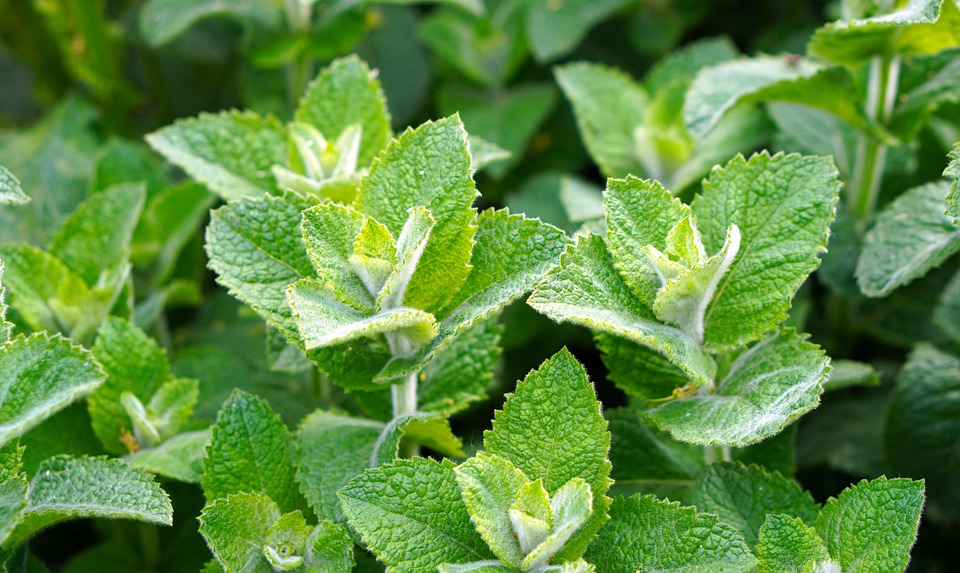

Peppermint tea has long been cherished for its refreshing flavor and aromatic qualities. Many individuals turn to it as a simple remedy for various ailments, but one of its often-overlooked benefits is its ability to promote fresh breath. Bad breath, or halitosis, can be a source of embarrassment and can impact social interactions. It often stems from poor oral hygiene, certain foods, or even underlying health issues. Finding a natural solution to combat bad breath is crucial for maintaining confidence and overall well-being.
In the quest for a fresh mouth feeling, peppermint tea stands out not only for its invigorating taste but also for its potent antimicrobial properties. This herbal infusion can help eliminate odor-causing bacteria in the mouth, providing a refreshing alternative to commercial mouthwashes that may contain harsh chemicals. By incorporating peppermint tea into your daily routine, you can tackle the issue of bad breath effectively and naturally.
The soothing warmth of peppermint tea can also have a positive impact on digestion, which is often linked to oral health. Improved digestion leads to better nutrient absorption, reducing the chances of developing bad breath from digestive issues. This comprehensive approach addresses both the symptoms and underlying causes of halitosis, making peppermint tea a valuable addition to your wellness toolkit.
As you embark on your journey toward fresher breath, understanding how to use peppermint tea effectively will empower you to reap its numerous benefits. This guide will delve into practical applications, common mistakes to avoid, and the science behind why this herbal tea is effective in combating bad breath.
Contents
How to Use Peppermint Tea for Real Results
- Best Form: Loose leaf or tea bags
- Best Time: After meals or as needed
- Expected Result: Fresh breath and improved digestion
For Daily Protection
The Prep: Start with high-quality loose leaf peppermint tea or tea bags. Gather boiling water and a cup. Optionally, have honey or lemon on hand for added flavor if desired.
The Action: Boil water and pour it over the peppermint tea in your cup. Let it steep for about five minutes. If using loose leaf, consider using a tea infuser. Strain the leaves if necessary. Once ready, sip slowly, allowing the tea to coat your mouth.
The Feeling: As you sip, you will experience a cooling sensation on your palate. The fresh mint flavor lingers, leaving your mouth feeling clean and revitalized. This effect typically lasts for an hour or more.
Pro Tip: Always drink peppermint tea after meals to maximize its breath-freshening effects.
Targeting Occasional Bad Breath
The Prep: For a quick fix, have a cup of peppermint tea ready. Use either loose leaves or tea bags. Have your boiling water and a cup ready.
The Action: Boil the water and pour it over the tea. Steep for three to five minutes, ensuring the tea is strong enough to deliver maximum flavor. Once steeped, sip the tea slowly, swishing it around your mouth before swallowing.
The Feeling: The immediate cooling effect will refresh your mouth. The minty taste will overpower any lingering odors, providing a pleasant aftertaste that lasts for a couple of hours.
Pro Tip: Keep a travel-sized container of loose tea or bags in your bag for on-the-go freshness.
The Nighttime Routine
The Prep: Gather your peppermint tea, a cup, and boiling water. Consider adding a slice of lemon for additional flavor and health benefits.
The Action: Boil water and pour it over the peppermint tea. Allow it to steep for five minutes. Sip on the tea slowly as part of your evening wind-down routine.
The Feeling: A warm, soothing sensation envelops your mouth and throat. The mint flavor helps clear your palate, leaving you with a refreshing feeling that can persist into the night, promoting better oral hygiene as you sleep.
Pro Tip: Incorporate this ritual before bed to combat overnight breath issues.
Common Errors to Avoid
Using Low Quality Herbs
Opting for low-quality peppermint can diminish the effectiveness of your tea. Cheap brands may contain fillers or lack the essential oils that contribute to the tea’s breath-freshening properties. Always select organic, high-quality peppermint to ensure you gain the full benefits.
When you use premium peppermint tea, you are more likely to experience the refreshing effects and antimicrobial properties that help combat bad breath. Investing in quality herbs enhances both the flavor and health benefits.
Neglecting Oral Hygiene
Relying solely on peppermint tea without maintaining proper oral hygiene is a common mistake. While peppermint tea can help freshen breath, it should not replace regular brushing and flossing. Failing to maintain good oral health can lead to persistent bad breath.
Ensure you brush your teeth at least twice a day and floss daily. Use peppermint tea as a supplement to your routine rather than a replacement. This combined approach will yield better results for long-term fresh breath.
Overconsumption of Peppermint Tea
Drinking excessive amounts of peppermint tea can lead to digestive discomfort or heartburn in some individuals. Moderation is key to enjoying the benefits without adverse effects.
Aim for two to three cups of peppermint tea per day. This amount is sufficient to promote fresh breath while preventing potential digestive issues. Listen to your body and adjust your intake based on your comfort levels.
The Science Behind Fresh Breath
Peppermint tea’s effectiveness in promoting fresh breath stems from its biological mechanisms. The primary action occurs through its antimicrobial properties. Peppermint contains compounds that target and inhibit the growth of bacteria responsible for foul odors. This action helps maintain a clean oral environment.
Menthol, the key compound in peppermint, contributes significantly to its refreshing quality. This compound acts as a natural breath freshener due to its cooling sensation and ability to mask unpleasant odors. The presence of menthol also stimulates saliva production, which plays a crucial role in oral health.
Clinical studies support the efficacy of peppermint in oral health. Research has demonstrated that peppermint can reduce the growth of bacteria linked to bad breath. For more details, refer to this PubMed search. These findings highlight the potential of peppermint tea as a natural remedy for halitosis.
Choosing the Right Product
- Potency: Look for peppermint tea with a high concentration of essential oils. This ensures maximum flavor and effectiveness.
- Purity: Select organic or high-quality brands that do not include artificial additives. This guarantees that you receive the full spectrum of benefits without harmful chemicals.
- Form: Choose between loose leaf or tea bags based on your preference. Loose leaf often provides a richer flavor, while bags offer convenience.
Benefits vs Risks
| The Benefits | Potential Downsides |
|---|---|
| Natural breath freshener | May cause digestive discomfort in some individuals |
| Improves digestion | Overconsumption can lead to heartburn |
| Soothes sore throats | Low-quality herbs may not be effective |
Habits for Enhanced Results
Incorporating a balanced diet rich in fruits and vegetables can complement the effects of peppermint tea. Foods like apples and carrots naturally help clean the mouth and promote fresh breath.
Staying hydrated is also vital for maintaining oral health. Drinking plenty of water throughout the day supports saliva production, which helps wash away food particles and bacteria.
Who Should Avoid This?
– Individuals with gastroesophageal reflux disease (GERD) should be cautious as peppermint can exacerbate symptoms.
– Pregnant women should consult their healthcare provider before consuming peppermint tea regularly.
– People taking medications that may interact with peppermint should seek medical advice.
Common Questions
How often should I drink peppermint tea for fresh breath?
Drinking two to three cups daily can help maintain fresh breath without overwhelming your system.
Can peppermint tea replace mouthwash?
While it can help freshen breath, peppermint tea should not replace regular oral hygiene practices like brushing and flossing.
Is it safe to drink peppermint tea before bed?
Yes, it can be soothing and may help with digestion, but moderation is recommended to avoid any potential digestive discomfort.
Are there any side effects from peppermint tea?
Excessive consumption can lead to digestive issues or heartburn in some individuals. Moderation is key.
The Bottom Line
Incorporating peppermint tea into your routine can significantly enhance your oral health and freshen your breath.
- The Truth: It should complement, not replace, regular oral hygiene practices.
- The Strategy: Use peppermint tea after meals for optimal freshness.
- The Next Step: Establish a consistent routine that includes both oral hygiene and peppermint tea.
Get Your FREE Natural Health Guide!
Subscribe now and receive our exclusive ebook packed with natural health tips, practical wellness advice, and easy lifestyle changes, delivered straight to your inbox.