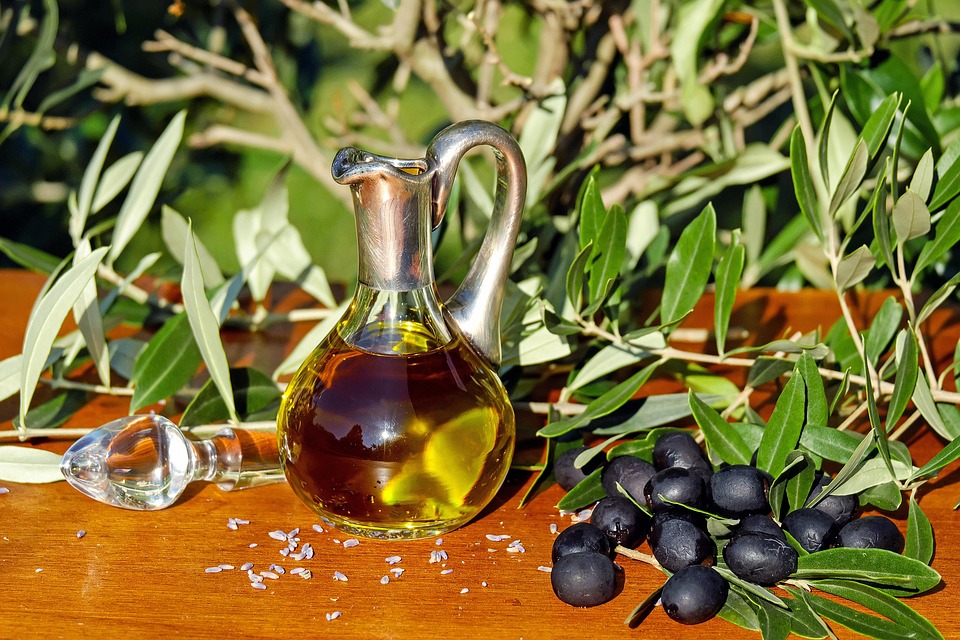

Olive oil is often celebrated as a cornerstone of the Mediterranean diet, but its benefits extend far beyond mere culinary delight. Heart disease remains one of the leading causes of mortality worldwide. In this context, dietary choices become crucial in promoting cardiovascular health. Many individuals struggle to find effective ways to support their heart health through nutrition. This is where olive oil shines, offering a delicious and practical solution.
The unique composition of olive oil, rich in monounsaturated fats and antioxidants, makes it a powerful ally in reducing the risk of heart disease. Regularly incorporating this oil into meals can lead to significant improvements in heart health. Understanding how to effectively use olive oil can empower individuals to make informed dietary choices that promote overall wellness.
The heart is a vital organ, and protecting it should be a priority for everyone. The question arises: how can one leverage the benefits of olive oil in daily life? This guide will explore practical applications, common pitfalls, and the science behind olive oil’s heart health benefits, ensuring that you have the knowledge to make the best choices for your cardiovascular health.
As you read on, you will discover how to seamlessly integrate olive oil into your diet, the common mistakes to avoid, and the evidence supporting its health claims. This comprehensive approach will provide you with a holistic understanding of why olive oil should be a staple on your table.
Contents
How to Use Olive Oil for Real Results
- Best Form: Extra virgin olive oil
- Best Time: Incorporate into meals daily
- Expected Result: Improved heart health and reduced inflammation
For Daily Protection
The Prep: Start with high-quality extra virgin olive oil. Gather whole grains, fresh vegetables, and lean proteins. Prepare a simple vinaigrette with olive oil, lemon juice, salt, and pepper to enhance flavor and health benefits.
The Action: Drizzle olive oil over a salad or cooked vegetables. Use it as a base for sautéing lean proteins like chicken or fish. Aim for two tablespoons daily. This allows your body to absorb the beneficial monounsaturated fats and antioxidants.
The Feeling: You may notice a pleasant richness in flavor that enhances your dishes. Over time, you might experience increased energy and reduced instances of heartburn or digestive discomfort.
Pro Tip: Always choose cold-pressed extra virgin olive oil for maximum health benefits.
Enhancing Your Cooking
The Prep: Gather ingredients such as garlic, herbs, and fresh vegetables. Use high-quality olive oil as a base for marinades or dressings.
The Action: Combine olive oil with crushed garlic and your choice of herbs. Marinate chicken or fish for at least an hour before cooking. This infuses the protein with flavor while providing heart-healthy fats.
The Feeling: The aroma of garlic and herbs will fill your kitchen, creating a warm and inviting atmosphere. The resulting dish will be tender and flavorful, making it easy to enjoy healthy meals.
Pro Tip: Experiment with different herbs and spices to keep your meals exciting.
The Weekend Indulgence
The Prep: Plan a weekend brunch featuring whole-grain toast, ripe avocados, and extra virgin olive oil. Gather toppings like fresh tomatoes, radishes, and sea salt.
The Action: Toast whole-grain bread and spread mashed avocado on top. Drizzle with olive oil and sprinkle with sea salt and chopped herbs. This simple dish provides a nutritious start to your day.
The Feeling: You will experience a satisfying crunch from the toast and a creamy texture from the avocado. The olive oil adds a luxurious richness that elevates the meal.
Pro Tip: Pair this dish with a side of fresh fruit for a balanced meal.
Common Mistakes to Avoid
Choosing Low-Quality Oils
Opting for low-quality olive oils can undermine the health benefits. Many cheaper versions are diluted with other oils or lack the necessary antioxidants. This can lead to an ineffective dietary addition that does not support heart health.
To avoid this mistake, always look for extra virgin olive oil. Check for certifications and opt for brands that provide transparency about their sourcing and production methods. Quality matters when it comes to health benefits.
Ignoring Portion Sizes
While olive oil is beneficial, it is still calorie-dense. Overconsumption can lead to unwanted weight gain, which poses risks to cardiovascular health. Many people underestimate the amount they use, leading to excessive calorie intake.
To manage this, measure out serving sizes. Stick to about two tablespoons daily and incorporate it thoughtfully into meals to maximize benefits without overdoing it.
Not Storing Properly
Improper storage can degrade the quality of olive oil. Exposure to light, heat, and air can lead to oxidation, reducing its health benefits. Many people store their oils in clear bottles or near the stove, which is not ideal.
To preserve quality, store olive oil in a dark, cool place, preferably in a tightly sealed container. This will help maintain its flavor and health properties for longer.
The Science Simplified
The biological mechanism behind olive oil’s heart health benefits lies in its rich composition of monounsaturated fats. These fats help lower levels of LDL cholesterol, often referred to as “bad” cholesterol, while increasing HDL cholesterol, the “good” kind. This balance is crucial for maintaining healthy arteries and reducing the risk of cardiovascular diseases.
Key compounds in olive oil, particularly oleic acid and polyphenols, contribute to its cardioprotective effects. Oleic acid promotes healthy cholesterol levels, while polyphenols possess antioxidant properties that combat oxidative stress and inflammation. Together, these compounds create a synergistic effect that supports heart health.
Clinical studies have shown that a diet rich in olive oil can significantly reduce the risk of heart disease. For in-depth research, you can explore more about this topic in the PubMed database. These studies underscore the importance of incorporating high-quality olive oil into a balanced diet for optimal cardiovascular support.
Choosing the Right Product
– **Potency:** Look for extra virgin olive oil, as it contains higher levels of beneficial compounds. This ensures that you get the maximum heart health benefits from your oil.
-
Purity: Choose oils that are certified and free from additives. This guarantees that you are consuming a product that is true to its label and beneficial for your health.
-
Form: Opt for dark glass bottles or tins. These protect the oil from light, preserving its quality and health benefits for a longer period.
Benefits vs Risks
| The Benefits | Potential Downsides |
|---|---|
| Rich in monounsaturated fats that support heart health | Calorie-dense, leading to potential weight gain if consumed excessively |
| Contains antioxidants that combat inflammation | Quality varies significantly among brands |
| Versatile for various culinary uses | Improper storage can degrade quality |
Habits to Enhance Heart Health
Regular physical activity complements olive oil consumption by improving cardiovascular health. Engaging in activities like walking, swimming, or cycling can enhance circulation and strengthen the heart.
Mindful eating practices, such as savoring each bite and focusing on nutrition, can also amplify the benefits of olive oil. This encourages a greater appreciation for food and its role in overall wellness.
Who Should Avoid This?
– Individuals with specific allergies to olives or olive products
– Those on anticoagulant medications should consult a healthcare provider before adding olive oil to their diets
– People with gastrointestinal disorders may need to limit intake due to the oil’s richness
Common Questions
What is the best way to store olive oil?
Store olive oil in a dark, cool place, preferably in a tightly sealed container to prevent oxidation.
Can I use olive oil for cooking at high temperatures?
While olive oil has a relatively high smoke point, it’s best used for medium-heat cooking to preserve its health benefits.
Is all olive oil the same?
No, the quality varies. Extra virgin olive oil is the highest quality and most beneficial for health.
How much olive oil should I consume daily?
Two tablespoons daily is generally recommended for heart health benefits.
The Bottom Line
Incorporating olive oil into your diet can be a simple yet effective way to support heart health.
- The Truth: Not all olive oils are created equal, and quality matters.
- The Strategy: Use it consistently in meals for maximum benefits.
- The Next Step: Try replacing other fats in your diet with olive oil for a healthier approach.
Get Your FREE Natural Health Guide!
Subscribe now and receive our exclusive ebook packed with natural health tips, practical wellness advice, and easy lifestyle changes, delivered straight to your inbox.