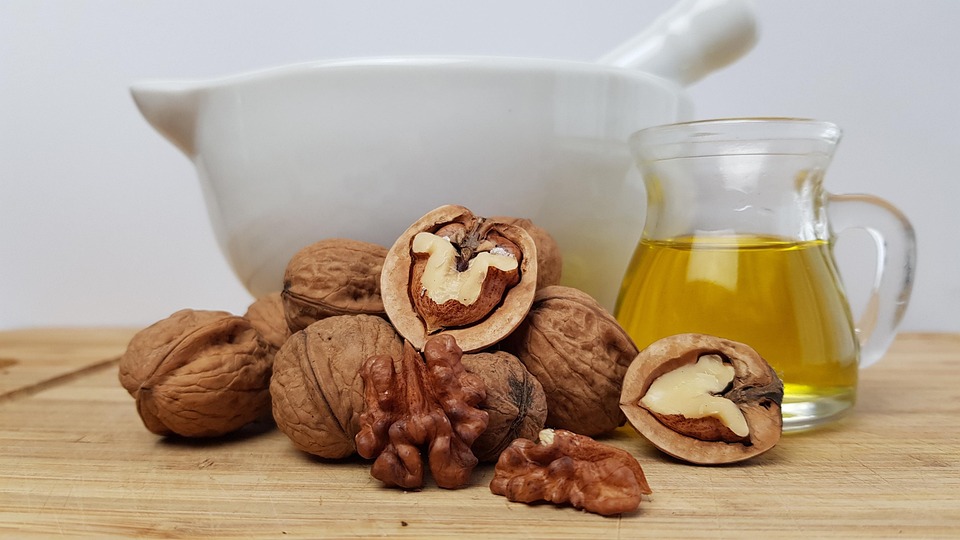

Walnuts have long been celebrated for their nutritional benefits. Recent research highlights that these nuts offer more than just a tasty snack. They possess powerful anti-inflammatory properties that can significantly impact brain health. As mental health issues like anxiety and insomnia become increasingly prevalent, finding effective, natural solutions is essential. Walnuts provide a unique combination of nutrients capable of addressing brain inflammation, a common underlying factor in many cognitive disorders.
The modern lifestyle exposes individuals to various stressors that contribute to inflammation. Chronic inflammation can lead to neurodegenerative diseases and other cognitive impairments. The good news is that incorporating walnuts into your diet can help mitigate these effects. This guide delves into the mechanisms behind walnuts’ anti-inflammatory properties and how they can be effectively utilized to support brain health.
Understanding the specific components of walnuts is crucial. They are rich in omega-3 fatty acids, antioxidants, and polyphenolic compounds, all of which play a role in reducing inflammation. This guide will provide practical applications, common mistakes to avoid, and insights into the scientific background of walnuts for brain health. By understanding how to integrate walnuts into your daily routine, you can take proactive steps toward nourishing your mind.
The journey to better brain health starts with simple dietary changes. Walnuts can be consumed in various forms, making them easy to incorporate into meals and snacks. This guide will equip you with the knowledge needed to maximize the benefits of walnuts for cognitive support.
Contents
How to Use Walnuts for Real Results
- Best Form: Raw or lightly roasted walnuts
- Best Time: Morning or as a snack
- Expected Result: Reduced brain inflammation and improved cognitive function
For Daily Protection
The Prep: To prepare walnuts for daily consumption, gather a handful of raw or lightly roasted walnuts. Ensure they are fresh and free from additives. A simple method is to soak them overnight in water, which can enhance their digestibility and nutrient absorption.
The Action: Consume approximately 1 ounce or about 14 halves of walnuts each morning. You can add them to your breakfast cereal, yogurt, or smoothie. Alternatively, enjoy them as a standalone snack during the day. This consistent intake can help maintain a steady supply of omega-3 fatty acids and antioxidants.
The Feeling: After incorporating walnuts into your morning routine, many people report a gradual increase in mental clarity and focus. The effects may be subtle initially but can lead to improved cognitive function over time. Expect to feel energized and alert throughout the day.
Pro Tip: To enhance flavor, consider adding walnuts to salads or using them as a topping for roasted vegetables.
Targeting Acute Stress
The Prep: For acute stress relief, prepare a walnut-based snack. Combine walnuts with dark chocolate, which also has anti-inflammatory properties. Use roughly 1 ounce of walnuts and 1 ounce of dark chocolate, ideally with a cocoa content of 70% or higher.
The Action: Melt the dark chocolate in a microwave or over a double boiler. Once melted, mix in the walnuts until they are well-coated. Allow the mixture to cool and harden. Consume this snack when feeling overwhelmed or stressed for a quick brain boost.
The Feeling: The combination of walnuts and dark chocolate provides immediate gratification. The rich flavors can evoke a sense of comfort and satisfaction. The omega-3s from walnuts and the antioxidants from dark chocolate work together to reduce feelings of stress and anxiety.
Pro Tip: Store the walnut and chocolate mixture in small portions for quick access during stressful moments.
The Nighttime Routine
The Prep: For a soothing nighttime routine, prepare a warm beverage that incorporates walnuts. Gather walnuts, warm milk or a non-dairy alternative, and a touch of honey for sweetness.
The Action: Blend 1 tablespoon of crushed walnuts with 1 cup of warm milk. Add honey to taste and stir well. This drink can be consumed about an hour before bedtime to promote relaxation and prepare your mind for sleep.
The Feeling: This warm beverage can induce a calming effect, making it easier to unwind after a long day. The combination of warm milk and walnuts has been known to promote a sense of tranquility, aiding in a more restful night’s sleep.
Pro Tip: Experiment with spices like cinnamon or nutmeg to enhance the flavor and potential health benefits.
Common Errors to Avoid with Walnuts
Using Processed Walnuts
Many people opt for flavored or heavily processed walnuts, believing they offer the same benefits. This is a mistake, as added sugars and preservatives can negate the health advantages. Processed walnuts often lack the natural nutrients essential for reducing inflammation.
To maximize benefits, choose raw or lightly roasted walnuts without any additives. This ensures that you receive the full spectrum of nutrients, including omega-3 fatty acids and antioxidants, in their most potent form.
Neglecting Portion Control
Overconsumption of walnuts can lead to excessive calorie intake, which can counteract their health benefits. While walnuts are nutritious, moderation is key. Many individuals assume that since walnuts are healthy, they can consume them in unlimited quantities.
Stick to the recommended serving size of about 1 ounce or 14 halves. This amount provides sufficient nutrients without excessive caloric intake. It is essential to balance walnut consumption with other dietary components to maintain overall health.
Ignoring Storage Conditions
Walnuts can go rancid if not stored correctly. Leaving them in warm, humid conditions can diminish their quality and nutritional value. Many people overlook proper storage, leading to wasted resources and ineffective health benefits.
Store walnuts in an airtight container in a cool, dark place. Refrigeration can extend their shelf life significantly. Proper storage ensures that you benefit from the full nutritional profile of walnuts.
The Science Behind Walnuts
Walnuts contain various compounds that contribute to their anti-inflammatory properties. One of the primary mechanisms is the presence of alpha-linolenic acid, an omega-3 fatty acid that has been shown to reduce inflammation in the brain. This fatty acid competes with pro-inflammatory molecules, helping to balance inflammatory responses.
Another critical component of walnuts is their high antioxidant content. Compounds such as polyphenols and vitamin E work synergistically to combat oxidative stress, a significant contributor to brain inflammation. These antioxidants neutralize free radicals, reducing cellular damage and promoting overall brain health.
Clinical studies have demonstrated the effectiveness of walnuts in reducing markers of inflammation. Research shows that consistent walnut consumption can lead to lower levels of inflammatory markers such as C-reactive protein. For further reading on the clinical evidence, you can explore this PubMed search.
Choosing the Right Product
-
Potency: Look for walnuts that are certified organic or sourced from reputable suppliers. High-quality walnuts will have higher nutrient levels, ensuring maximum benefits for brain health.
-
Purity: Ensure that the walnuts are free from additives or preservatives. Pure walnuts provide the best health benefits without unwanted ingredients that could undermine their efficacy.
-
Form: Whole walnuts are preferable to walnut oils or extracts. The whole form retains the full spectrum of nutrients and offers the best flavor, making it easier to incorporate into various dishes.
Benefits vs Risks
| The Benefits | Potential Downsides |
|---|---|
| Rich in omega-3 fatty acids that support brain health | May cause allergic reactions in sensitive individuals |
| High antioxidant content helps combat oxidative stress | Excessive consumption can lead to weight gain |
| Versatile in recipes, making them easy to incorporate into the diet | Improper storage can lead to rancidity |
Habits for Enhanced Benefits
Incorporating physical activity into your routine can amplify the brain health benefits of walnuts. Regular exercise increases blood flow to the brain, enhancing cognitive function. Aim for at least 30 minutes of moderate physical activity most days.
Mindfulness practices such as meditation or yoga can further support brain health. These practices reduce stress and inflammation, creating an optimal environment for the nutrients from walnuts to work effectively.
Who Should Avoid This?
- Individuals with nut allergies should completely avoid walnuts.
- Those on anticoagulant medications should consult a healthcare provider due to walnuts’ omega-3 content, which can affect blood clotting.
- People with specific dietary restrictions or conditions should seek personalized advice from a healthcare professional before adding walnuts to their diet.
Common Questions
Can walnuts help with memory loss?
Yes, walnuts are rich in omega-3 fatty acids and antioxidants, which can support cognitive function and may help prevent memory loss.
How many walnuts should I eat daily?
A daily serving size of about 1 ounce or 14 halves is recommended for optimal health benefits.
Are there any side effects of eating walnuts?
While walnuts are generally safe for most people, excessive consumption can lead to weight gain and may cause allergic reactions in sensitive individuals.
What is the best way to store walnuts?
Store walnuts in an airtight container in a cool, dark place or refrigerate them to extend their shelf life.
Final Thoughts
Incorporating walnuts into your diet can offer significant benefits for brain health.
- The Truth: Walnuts are not a cure-all but can play a role in reducing inflammation.
- The Strategy: Enjoy walnuts daily for sustained cognitive benefits.
- The Next Step: Consider adding walnuts to your breakfast or snacks for easy integration.
Get Your FREE Natural Health Guide!
Subscribe now and receive our exclusive ebook packed with natural health tips, practical wellness advice, and easy lifestyle changes, delivered straight to your inbox.