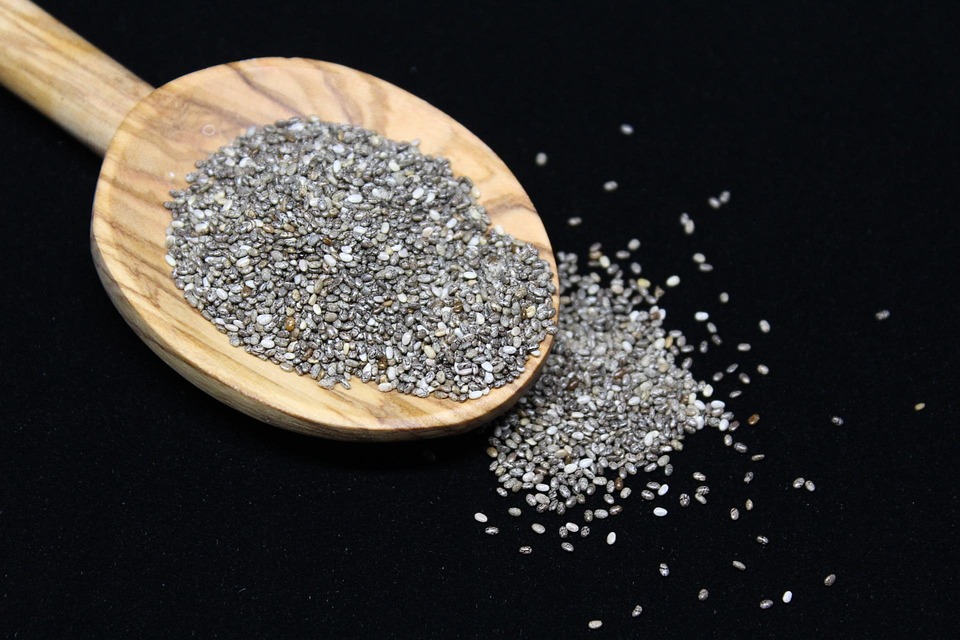

Chia seeds have gained popularity as a nutritional powerhouse in recent years. Many people struggle with maintaining adequate hydration and a balanced intake of omega-3 fatty acids. These two needs are often interconnected, as proper hydration can significantly impact overall health. Chia seeds present a unique solution to this issue, offering a delicious way to enhance both hydration and omega-3 consumption. They provide a blend of essential nutrients that can help mitigate common health challenges, including inflammation and digestive issues, while promoting overall well-being.
The versatility of chia seeds makes them an ideal addition to various meals. Whether incorporated into smoothies, yogurt, or baked goods, these tiny seeds can easily be included in daily diets. As they absorb water and expand, they create a gel-like consistency, enhancing the texture and hydration of any dish. This feature not only makes chia seeds an appealing option for hydration but also allows them to serve as a functional ingredient in numerous recipes.
Furthermore, many individuals are unaware of the health benefits associated with omega-3 fatty acids. These essential fats play a critical role in brain function, heart health, and reducing inflammation. As the body cannot produce omega-3s on its own, it is vital to include them in the diet. Chia seeds offer a plant-based source of omega-3 fatty acids, making them an excellent choice for vegetarians and vegans seeking to enhance their nutrition.
In the following sections, we’ll explore practical applications, common mistakes, scientific backing, and more, providing a comprehensive understanding of how chia seeds can serve as a delicious way to boost omega-3 intake and hydration.
Contents
How to Use Chia Seeds for Real Results
- Best Form: Soaked seeds or chia gel
- Best Time: Morning or pre-workout
- Expected Result: Enhanced hydration and sustained energy
For Daily Protection
The Prep: Gather fresh chia seeds, water, and a container for soaking. A simple ratio is one part chia seeds to six parts water. This allows the seeds to absorb enough liquid to create a gel-like consistency. You may also add a splash of lemon juice for flavor and added vitamin C.
The Action: Mix the chia seeds with water in your chosen container. Stir well to prevent clumping and let it sit for about 15 to 30 minutes. The seeds will swell and form a gel. This chia gel can be added to smoothies, oatmeal, or yogurt for a nutritious boost.
The Feeling: Upon consuming the chia gel, you may experience a pleasant sensation of fullness. The gel’s texture adds a unique mouthfeel to dishes, while the hydration benefits will keep you feeling refreshed throughout the day.
Pro Tip: Prepare a batch of chia gel in advance and store it in the refrigerator for up to a week for easy access.
Targeting Energy Dips
The Prep: Collect chia seeds, coconut water, and your favorite fruits. Coconut water serves as a natural electrolyte source, perfect for hydration. Choose fruits like bananas or berries for added flavor and nutrients.
The Action: Combine chia seeds with coconut water in a blender. Add your chosen fruits and blend until smooth. Pour the mixture into a glass and let it sit for a few minutes to allow the chia seeds to absorb the liquid and thicken.
The Feeling: Drinking this smoothie will provide a refreshing burst of energy. The combination of chia seeds and coconut water will keep you hydrated, while the natural sugars from the fruit offer a quick energy boost.
Pro Tip: Experiment with different fruit combinations to keep your energy-boosting smoothies exciting.
The Nighttime Routine
The Prep: Gather chia seeds, almond milk, and a natural sweetener like honey or maple syrup. Using almond milk adds a creamy texture and additional nutrients, making it a perfect base for a bedtime snack.
The Action: In a bowl, combine chia seeds with almond milk and your sweetener of choice. Stir well and let it sit for at least 15 minutes or overnight in the refrigerator. This will create a delightful pudding-like dessert that can be topped with nuts or fruits.
The Feeling: Enjoying this chia pudding before bed can promote relaxation. The combination of healthy fats and hydration helps support overnight recovery and may enhance sleep quality.
Pro Tip: Try adding cocoa powder for a chocolatey twist to your nighttime chia pudding.
Common Errors to Avoid
Using Low Quality Seeds
Choosing low-quality chia seeds can lead to subpar nutritional benefits. These seeds may lack essential nutrients and could be contaminated with pesticides or toxins. Always opt for organic and reputable brands to ensure you receive the maximum health benefits.
To avoid this mistake, research brands and read reviews before purchasing. Look for certifications that indicate quality, such as organic or non-GMO labels. Investing in high-quality chia seeds pays off in terms of health benefits and flavor.
Not Soaking Properly
Failing to soak chia seeds adequately can lead to digestive discomfort. Dry seeds can absorb water in the digestive tract, potentially causing bloating or discomfort. Proper soaking allows the seeds to expand and absorb moisture before consumption.
To prevent this mistake, be sure to soak chia seeds in water or another liquid for at least 15 minutes before eating. This ensures the seeds are hydrated and easier to digest, maximizing their benefits.
Ignoring Portion Sizes
Overconsumption of chia seeds can lead to excessive fiber intake, resulting in digestive issues like bloating or constipation. While chia seeds are nutritious, moderation is key to enjoying their benefits without adverse effects.
To avoid this pitfall, start with a small serving size, such as one to two tablespoons, and monitor how your body reacts. Gradually increase the amount as your digestive system adjusts to the added fiber.
The Science Behind Chia Seeds
Chia seeds contain a remarkable balance of omega-3 fatty acids, fiber, protein, and antioxidants. The primary omega-3 fatty acid in chia seeds is alpha-linolenic acid (ALA), which plays a crucial role in reducing inflammation and promoting heart health. The high fiber content aids in digestion and contributes to a feeling of fullness.
The key compound in chia seeds is their unique ability to absorb liquid. When soaked, they can absorb up to 12 times their weight in water. This property not only enhances hydration but also aids in the slow release of energy, making them an ideal addition to a balanced diet.
Research has shown the benefits of incorporating chia seeds into the diet. A study published in the journal “Nutrients” highlighted the positive effects of chia seeds on cardiovascular health and inflammation. For more detailed evidence, you can explore the findings on PubMed.
Choosing the Right Product
– **Potency:** Look for chia seeds with a high omega-3 content. This ensures you receive the maximum health benefits per serving.
-
Purity: Choose organic chia seeds to avoid potential pesticide residues. Organic options are generally free from harmful chemicals, ensuring a cleaner product.
-
Form: Whole seeds, ground seeds, or chia oil all offer different benefits. Whole seeds provide fiber and texture, while ground seeds may enhance nutrient absorption. Choose the form that best suits your dietary preferences.
Benefits vs Risks
| The Benefits | Potential Downsides |
|---|---|
| Rich in omega-3 fatty acids | Excessive fiber can cause digestive discomfort |
| High in antioxidants | Low-quality seeds may be contaminated |
| Supports hydration | Overconsumption can lead to adverse effects |
Habits to Enhance Your Experience
Incorporating regular physical activity into your routine can complement the benefits of chia seeds. Exercise boosts circulation and helps with overall hydration, enhancing the seeds’ effects. It also promotes better digestion, allowing your body to utilize the nutrients more effectively.
Mindfulness practices, such as meditation or yoga, can further enhance the benefits of chia seeds. These practices can help manage stress levels, which can directly impact hydration and overall health.
Who Should Avoid This?
– Individuals with a known allergy to chia seeds should avoid consumption.
– Those with pre-existing digestive conditions may need to consult a healthcare provider before adding chia seeds to their diet.
– Pregnant or breastfeeding women should seek medical advice before incorporating chia seeds, as they may experience varying effects on digestion and hydration.
Common Questions
How should I store chia seeds?
Storing chia seeds in a cool, dry place is essential. An airtight container in the refrigerator can help maintain freshness and prevent spoilage.
Can I consume chia seeds daily?
Yes, chia seeds can be consumed daily. Start with moderate amounts and increase gradually based on your body’s tolerance.
Are there any side effects?
Some individuals may experience digestive discomfort if they consume excessive amounts. It’s best to start with small servings.
Can I use chia seeds in baking?
Absolutely. Chia seeds can be added to baked goods, providing nutritional benefits and texture.
The Bottom Line
Chia seeds are a versatile and nutritious addition to your diet. They offer a unique way to increase omega-3 intake and hydration.
- The Truth: While chia seeds are beneficial, they should be consumed in moderation.
- The Strategy: Incorporate them into your morning routine for optimal benefits.
- The Next Step: Experiment with different recipes to find your favorite way to enjoy chia seeds.
Get Your FREE Natural Health Guide!
Subscribe now and receive our exclusive ebook packed with natural health tips, practical wellness advice, and easy lifestyle changes, delivered straight to your inbox.