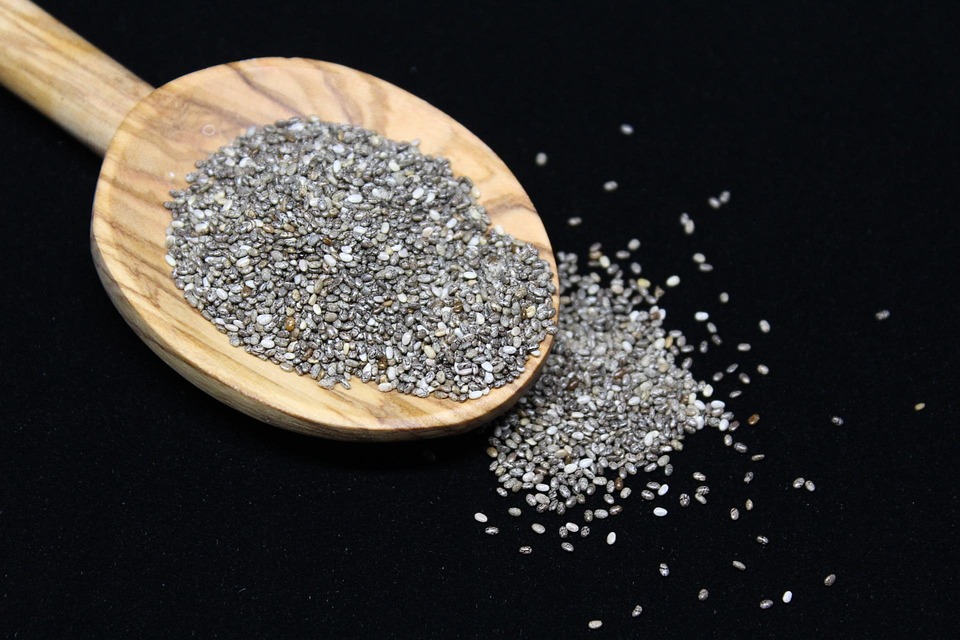

Chia seeds have gained considerable attention in recent years for their numerous health benefits. Among these benefits, their role in maintaining hydration, particularly for the eyes, stands out. Many people experience dry or irritated eyes due to various factors, including prolonged screen time, environmental conditions, and insufficient fluid intake. This discomfort can significantly affect daily life, leading to reduced productivity and overall well-being.
The solution lies in simple dietary adjustments. Chia seeds, rich in omega-3 fatty acids, antioxidants, and fiber, can play a crucial role in promoting eye hydration. These tiny seeds are incredibly versatile and can be easily incorporated into various meals, making them an accessible option for many. Understanding the specific ways to utilize chia seeds can empower individuals to take control of their eye health.
Incorporating chia seeds into your daily routine can provide a simple yet effective way to combat eye dryness. Not only do they support hydration, but they also offer additional benefits, such as improved digestion and increased energy levels. By making informed choices about how to use these seeds, individuals can experience significant improvements in their overall health.
This guide will explore practical applications, common mistakes to avoid, the science behind chia seeds, and much more. By the end, you will have a comprehensive understanding of how to keep your eyes hydrated with chia seeds effectively.
Contents
How to Use Chia Seeds for Real Results
- Best Form: Soaked seeds
- Best Time: Morning or before meals
- Expected Result: Enhanced hydration and eye comfort
For Daily Protection
The prep for daily eye protection involves simple ingredients. You will need two tablespoons of chia seeds, one cup of water, and optional flavorings like lemon juice or honey. Begin by placing the chia seeds in a bowl and adding water. Stir gently to avoid clumping. If you prefer a flavored version, add a splash of lemon juice or a teaspoon of honey.
The action requires soaking the chia seeds for at least thirty minutes or until they develop a gel-like consistency. This soaking process allows the seeds to absorb water, creating a hydrating gel. Once ready, consume the mixture directly or incorporate it into smoothies or yogurt.
The feeling after consuming soaked chia seeds is refreshing and hydrating. Many individuals report a slight cooling sensation in their eyes as the seeds help retain moisture. This feeling can last for several hours, providing ongoing comfort throughout the day.
Pro Tip: Experiment with different flavorings to keep your chia seed mixture exciting and enjoyable.
Targeting Acute Discomfort
Preparing chia seeds for acute discomfort involves slightly different ingredients. Gather three tablespoons of chia seeds, two cups of coconut water, and a pinch of sea salt. Combine these ingredients in a bowl, ensuring the seeds are fully submerged.
The action consists of allowing the mixture to sit for about an hour. The coconut water adds extra hydration, while the sea salt helps balance electrolytes. Stir the mixture occasionally to ensure even distribution of the chia seeds.
The feeling after consuming this hydrating blend can be invigorating. The combination of chia and coconut water provides a burst of hydration, which can alleviate feelings of dryness or discomfort in the eyes. This sensation can last for a few hours, depending on individual hydration levels.
Pro Tip: Use this mixture as a pre-workout drink to enhance hydration during physical activity.
The Nighttime Routine
The prep for a nighttime routine involves using one tablespoon of chia seeds and one cup of almond milk. Mix the seeds into the almond milk, and let them soak overnight in the refrigerator. This setup allows the seeds to absorb the liquid fully, creating a creamy texture.
The action is simple. In the morning, stir the mixture well and enjoy it as a breakfast option. You can also add fruits or nuts for added flavor and nutrition. This overnight soak maximizes the seeds’ hydration properties.
The feeling after consuming chia pudding in the morning can be satisfying and nourishing. The combination of chia and almond milk provides a gentle start to the day while ensuring your body is well-hydrated. Many individuals find this routine helps maintain eye hydration throughout the day.
Pro Tip: Prepare multiple servings at once to save time during busy mornings.
Common Errors to Avoid
Using Low Quality Seeds
Many individuals overlook the quality of chia seeds. Choosing low-quality seeds can result in a diminished nutrient profile. Low-quality seeds may not absorb water effectively, which is crucial for achieving the desired hydrating effect.
To avoid this mistake, always opt for organic, high-quality chia seeds. Check for certifications and reviews to ensure you are purchasing from reputable sources. Investing in quality seeds will yield better results in hydration and overall health.
Neglecting Soaking Time
A common error is not soaking chia seeds long enough. Insufficient soaking time can lead to a gritty texture and reduced hydration benefits. This mistake can counteract the primary purpose of using chia seeds for eye hydration.
To remedy this, allow chia seeds to soak for at least thirty minutes. For optimal results, soaking overnight is recommended. This ensures the seeds fully expand and retain moisture, maximizing their hydrating properties.
Overconsumption
Overconsumption of chia seeds can lead to digestive discomfort. While these seeds are nutritious, their high fiber content can cause bloating or gas when consumed in excessive amounts. This can detract from the positive effects they have on hydration.
To avoid this, adhere to recommended serving sizes. Typically, two tablespoons per day is sufficient for most individuals. Moderation is essential to enjoy the benefits without experiencing adverse effects.
The Biological Mechanism
Chia seeds work through various biological mechanisms to promote hydration. They are composed of a unique soluble fiber that forms a gel when mixed with water. This gel-like substance helps retain moisture, making it beneficial for eye hydration. The seeds also contain omega-3 fatty acids, which support overall eye health and reduce inflammation that may contribute to dryness.
The key compound in chia seeds is alpha-linolenic acid (ALA), a type of omega-3 fatty acid. ALA plays a crucial role in maintaining cellular structure and function. This fatty acid helps produce tear film, which is vital for keeping the eyes lubricated and comfortable. ALA also exhibits anti-inflammatory properties, further supporting eye health.
Clinical evidence supports the benefits of chia seeds for hydration. Studies have shown that omega-3 fatty acids can improve dry eye symptoms and enhance tear production. For further reading on omega-3 and eye health, refer to this research on PubMed: Omega-3 Fatty Acids and Eye Health.
Choosing the Right Product
- Potency: Ensure the chia seeds are high in omega-3 fatty acids, as potency directly affects their effectiveness in promoting hydration.
- Purity: Look for products that are organic and free from additives to guarantee you are consuming pure chia seeds.
- Form: Choose whole seeds over ground chia for maximum nutrient retention and gel formation when soaked.
Benefits vs Risks
| The Benefits | Potential Downsides |
|---|---|
| Rich in omega-3 fatty acids, promoting eye health. | May cause digestive discomfort if overconsumed. |
| High in fiber, aiding digestion and hydration. | Quality may vary between brands, affecting efficacy. |
| Easy to incorporate into various meals and snacks. | Requires soaking time for optimal benefits. |
Habits for Enhanced Results
Pairing chia seeds with a balanced diet can enhance their benefits. Consuming a variety of fruits and vegetables rich in antioxidants will support eye health. Foods like carrots, spinach, and berries can complement the hydration effects of chia seeds.
Staying hydrated throughout the day is essential. Drinking enough water in addition to consuming chia seeds will help maintain eye moisture and overall body hydration. Aim for at least eight glasses of water daily to support optimal health.
Who Should Avoid This?
- Individuals with chia seed allergies.
- People with certain gastrointestinal disorders, such as irritable bowel syndrome.
- Those on medications that affect blood clotting.
Common Questions
How should I store chia seeds?
Store chia seeds in a cool, dry place, preferably in an airtight container to maintain freshness.
Can I eat chia seeds raw?
Yes, chia seeds can be consumed raw, but soaking them is recommended for optimal hydration benefits.
How long do chia seeds last?
When stored properly, chia seeds can last for about two years without losing their nutritional value.
Can children consume chia seeds?
Yes, chia seeds can be included in children’s diets, but it’s essential to monitor serving sizes to avoid digestive issues.
The Bottom Line
Incorporating chia seeds into your diet can significantly enhance eye hydration and overall health.
- The Truth: While chia seeds are beneficial, they are not a substitute for professional medical advice.
- The Strategy: Use soaked chia seeds daily for maximum hydration benefits.
- The Next Step: Ensure you maintain a balanced diet rich in antioxidants for optimal eye health.
Get Your FREE Natural Health Guide!
Subscribe now and receive our exclusive ebook packed with natural health tips, practical wellness advice, and easy lifestyle changes, delivered straight to your inbox.