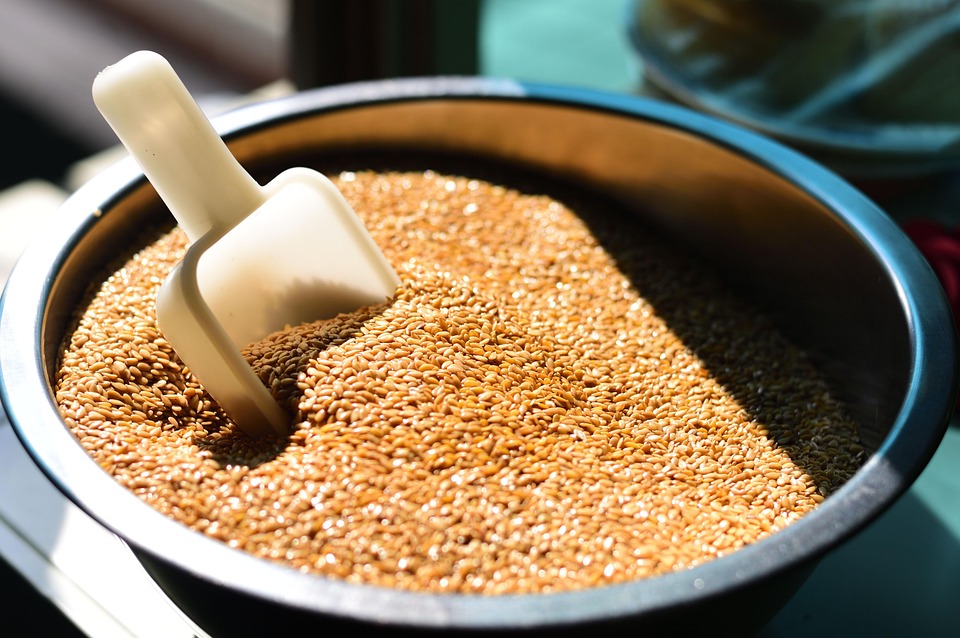

Flaxseeds, small yet powerful, are often overlooked in the quest for better nutrition. They are a rich source of Omega-3 fatty acids, particularly alpha-linolenic acid (ALA), which is essential for overall health. Many people struggle to get enough Omega-3s in their diets, especially those who do not consume fish or seafood regularly. This deficiency can lead to various health issues, including inflammation, heart disease, and cognitive decline.
Introducing ground flaxseeds into your diet can be a practical solution to this problem. They not only provide a plant-based source of Omega-3s but also come packed with fiber, lignans, and several essential nutrients. Incorporating ground flaxseeds is an easy way to enhance your meals while reaping numerous health benefits.
Understanding how to effectively use ground flaxseeds is crucial for maximizing their potential. By knowing the best ways to incorporate them into your daily routine, you can ensure that you receive the optimal benefits they offer. This guide will walk you through practical applications, common mistakes to avoid, and the science behind why these tiny seeds are so beneficial.
As you delve into this guide, you will discover how ground flaxseeds can be a simple yet effective addition to your diet, helping you meet your nutritional needs while promoting overall well-being.
Contents
How to Use Ground Flaxseeds for Real Results
- Best Form: Ground Flaxseeds
- Best Time: Anytime during meals
- Expected Result: Enhanced Omega-3 intake and improved digestion
For Daily Protection
The Prep: Start with one tablespoon of ground flaxseeds and your choice of beverage or food. Options include smoothies, yogurt, or oatmeal. Choose a high-quality product that is freshly ground to preserve nutrients.
The Action: Mix the ground flaxseeds into your chosen food or drink. If using a smoothie, blend it thoroughly. For yogurt or oatmeal, stir until evenly distributed. Consume it as part of your breakfast or snack.
The Feeling: You may notice a slight nuttiness in flavor, enhancing the overall taste of your meal. The fiber content will begin to promote a feeling of fullness, aiding in digestion for several hours.
Pro Tip: Keep ground flaxseeds in an airtight container in the refrigerator to maintain freshness.
Boosting Your Smoothies
The Prep: Gather your favorite smoothie ingredients, such as spinach, banana, and almond milk. Have one tablespoon of ground flaxseeds ready to go.
The Action: Add all ingredients to a blender, including the ground flaxseeds. Blend until smooth. This process ensures that the flaxseeds are well integrated into the drink.
The Feeling: Your smoothie will have a thicker consistency, and you may experience a sustained energy boost due to the Omega-3s. The fiber will also contribute to a sense of satiety, keeping hunger at bay.
Pro Tip: Experiment with different fruits and vegetables to find your perfect smoothie combination.
The Nighttime Routine
The Prep: Prepare a nighttime snack with one tablespoon of ground flaxseeds, mixed with a cup of warm milk or a dairy-free alternative.
The Action: Stir the flaxseeds into the warm beverage. Allow it to sit for a few minutes before consuming. This waiting period helps the flaxseeds swell, enhancing their digestive benefits.
The Feeling: You may experience a soothing sensation as you consume the warm drink. The fiber will help prepare your digestive system for a restful night, promoting better sleep quality.
Pro Tip: Add a dash of cinnamon or honey for additional flavor and health benefits.
Common Mistakes to Avoid
Using Whole Flaxseeds
Many people mistakenly use whole flaxseeds instead of ground. Whole seeds can pass through the digestive system undigested, preventing the body from absorbing their nutrients. Ground flaxseeds, on the other hand, allow for better nutrient assimilation.
To avoid this mistake, always choose freshly ground flaxseeds or invest in a grinder. This ensures you receive the maximum nutritional benefits and enhances the flavor of your meals.
Not Storing Properly
Failing to store ground flaxseeds correctly can lead to rancidity. Exposure to air and light can degrade their quality, diminishing their health benefits.
Always keep ground flaxseeds in an airtight container and store them in the refrigerator. This practice extends their shelf life, ensuring that you receive the full spectrum of nutrients with each serving.
Ignoring Dosage Recommendations
Some individuals may consume excessive amounts of flaxseeds, thinking more is better. However, moderation is key. High doses can lead to digestive discomfort or interfere with nutrient absorption.
Stick to one to two tablespoons daily. This amount provides ample Omega-3s without overwhelming your digestive system.
The Science Behind Flaxseeds
The biological mechanism of flaxseeds centers around their high content of ALA. When consumed, the body converts ALA into EPA and DHA, the active forms of Omega-3s. This conversion supports heart health, brain function, and reduces inflammation.
Key compounds in flaxseeds include lignans, which are phytoestrogens that may offer additional health benefits. These compounds contribute to hormonal balance and have antioxidant properties, further enhancing overall health.
For clinical evidence supporting the benefits of flaxseeds and their Omega-3 content, you can explore studies available on PubMed.
Choosing the Right Product
- Potency: Look for products that are high in ALA content to ensure you receive adequate amounts.
- Purity: Choose organic or non-GMO flaxseeds to avoid harmful pesticides and chemicals.
- Form: Ground flaxseeds are more beneficial than whole seeds, as they allow for better nutrient absorption.
Pros & Cons
| The Benefits | Potential Downsides |
|---|---|
| Rich source of Omega-3 fatty acids | May cause digestive discomfort if consumed in excess |
| High in dietary fiber | Whole seeds may not provide nutritional benefits |
| Contains lignans with antioxidant properties | Requires proper storage to maintain freshness |
Habits to Enhance Your Well-being
Incorporating regular physical activity into your routine complements the benefits of flaxseeds. Exercise enhances circulation and overall health, maximizing the nutritional impact of what you consume.
Mindfulness practices, such as meditation or yoga, can also improve your mental health. These practices reduce stress, allowing your body to better utilize the nutrients from your diet, including those from ground flaxseeds.
Who Should Avoid This?
– Individuals with a known allergy to flaxseeds.
– Those taking medications that affect blood clotting should consult a healthcare provider.
– Pregnant or breastfeeding women should seek advice before adding flaxseeds to their diet.
– People with gastrointestinal disorders may experience discomfort from high fiber intake.
Common Questions
How many ground flaxseeds should I consume daily?
One to two tablespoons per day is generally recommended for optimal health benefits.
Can I use flaxseed oil instead of ground flaxseeds?
Flaxseed oil contains ALA but lacks the fiber found in ground flaxseeds. It can be used but should not replace whole seeds entirely.
Are there any side effects of consuming flaxseeds?
Some individuals may experience digestive discomfort or bloating if consumed in excess.
Can I add flaxseeds to baked goods?
Yes, ground flaxseeds can enhance the nutritional profile of baked goods like muffins, bread, or pancakes.
The Bottom Line
Incorporating ground flaxseeds into your diet can significantly boost your Omega-3 intake and overall health.
- The Truth: Whole seeds may not provide the same benefits as ground.
- The Strategy: Add ground flaxseeds to meals throughout the day.
- The Next Step: Experiment with different recipes to find your favorite way to enjoy them.
Get Your FREE Natural Health Guide!
Subscribe now and receive our exclusive ebook packed with natural health tips, practical wellness advice, and easy lifestyle changes, delivered straight to your inbox.