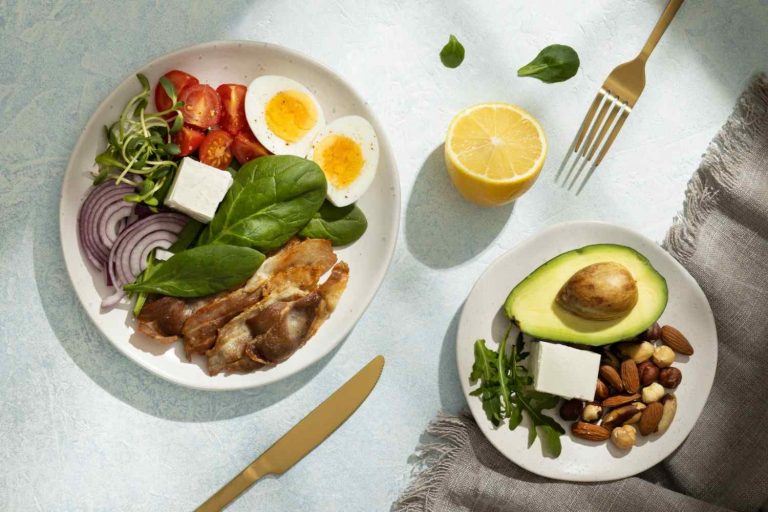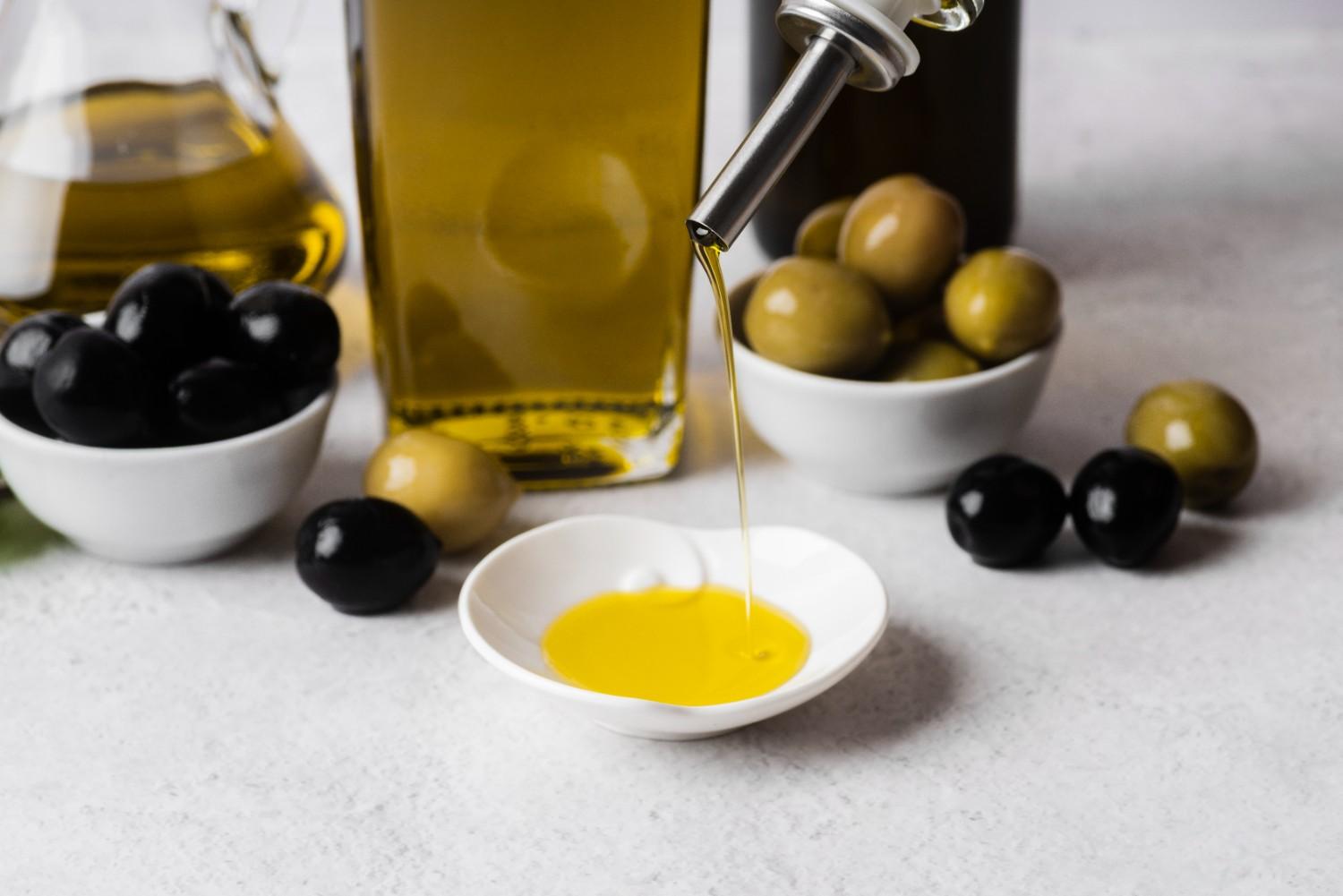

Elevating your keto dishes with olive oil can significantly enhance both flavor and health benefits. Many individuals on a ketogenic diet struggle to find fats that not only taste good but also support their health goals. Olive oil stands out as a versatile option, rich in monounsaturated fats and antioxidants. Incorporating it into your meals can transform ordinary dishes into extraordinary culinary experiences while adhering to keto principles.
The challenge often lies in understanding the best methods to use olive oil effectively. Various cooking techniques can either preserve or diminish its beneficial properties. Learning how to use olive oil in your cooking can ensure that you reap its full benefits. This guide will delve into practical applications, common mistakes, and the science behind why olive oil is a stellar choice for keto enthusiasts.
Understanding the nuances of olive oil can elevate your culinary skills and promote healthier eating habits. From sautéing vegetables to drizzling over salads, the possibilities are endless. With the right techniques and knowledge, you can enhance the flavors of your keto dishes while ensuring that you are consuming high-quality fats.
This guide aims to provide you with actionable tips and insights. You will learn how to select the best olive oil, apply it effectively in your cooking, and avoid common pitfalls. By the end, you will be well-equipped to elevate your keto dishes, making each meal not just a necessity but a delightful experience.
Contents
How to Use Olive Oil for Real Results
- Best Form: Extra virgin olive oil
- Best Time: During cooking or as a finishing oil
- Expected Result: Enhanced flavor and health benefits
For Daily Cooking
The Prep: Gather high-quality extra virgin olive oil, fresh vegetables, and your choice of protein. Ensure your kitchen tools, like a non-stick skillet and spatula, are ready for use. Fresh herbs can add depth to your dishes.
The Action: Preheat your skillet over medium heat. Pour in two tablespoons of olive oil. Once heated, add your protein and allow it to sear for a few minutes before adding chopped vegetables. Stir occasionally, allowing the olive oil to coat all ingredients evenly.
The Feeling: As the olive oil warms, a rich aroma fills the kitchen. The vegetables become tender while maintaining their crunch. You will notice a silky texture enveloping the dish.
Pro Tip: Always add olive oil to a preheated pan for optimal flavor infusion.
For Salad Dressings
The Prep: Choose a selection of leafy greens, colorful vegetables, and any protein such as grilled chicken or chickpeas. Measure out three tablespoons of olive oil and mix with vinegar or lemon juice for a refreshing dressing.
The Action: In a bowl, whisk together the olive oil, vinegar, salt, and pepper. Add your greens and toppings, tossing to ensure everything is well coated.
The Feeling: The olive oil creates a luscious dressing that clings to each leaf. The taste is vibrant, with the oil enhancing the freshness of the salad.
Pro Tip: Use a combination of oils for unique flavor profiles, such as mixing olive oil with avocado oil.
For Baking and Roasting
The Prep: Preheat your oven to the desired temperature. Prepare vegetables like zucchini, bell peppers, and eggplants. Drizzle olive oil over them along with your favorite spices.
The Action: Place the vegetables on a baking sheet and roast for about 20 minutes. Ensure they are evenly coated with olive oil and spices.
The Feeling: As the vegetables roast, they caramelize beautifully, developing a deep flavor. The olive oil helps achieve a golden exterior while keeping the inside tender.
Pro Tip: Roasting with olive oil enhances the natural sweetness of vegetables.
Common Cooking Errors to Avoid
Poor Quality Olive Oil
Using low-quality olive oil can lead to subpar dishes. Many oils on the market are blended with cheaper oils, diluting their health benefits and flavor. Always choose extra virgin olive oil, which is less processed and retains more nutrients.
The solution is simple. Read labels carefully and look for certifications that guarantee quality. Investing in a reputable brand pays off in flavor and health benefits.
Cooking at Too High a Temperature
Exceeding the smoke point of olive oil can result in a bitter taste and harmful compounds. Olive oil has a relatively low smoke point of around 375°F. Cooking at higher temperatures can degrade its quality.
To avoid this issue, use lower heat settings when sautéing or frying. If you need to cook at high temperatures, consider using olive oil only for flavoring after cooking.
Neglecting to Store Properly
Improper storage can lead to rancidity. Olive oil should be kept in a cool, dark place away from heat and light. Exposure can alter its flavor and health properties.
To maintain freshness, store olive oil in a dark glass bottle or a tin. Always seal the bottle tightly to prevent oxidation.
The Science Behind Olive Oil
The biological mechanism of olive oil’s benefits lies in its rich content of monounsaturated fats. These fats can improve cholesterol levels and reduce inflammation. The heart-healthy properties of olive oil make it beneficial for overall cardiovascular health.
Key compounds like oleocanthal exhibit anti-inflammatory effects similar to ibuprofen. This compound helps reduce the risk of chronic diseases, making olive oil a staple in health-conscious diets.
Clinical evidence supports these claims. A study highlighted in the PubMed database shows that regular consumption of olive oil can lower the risk of heart disease and stroke.
Choosing the Right Olive Oil
– **Potency:** Look for oils labeled as “extra virgin.” This grade indicates higher quality and better health benefits. It means the oil is cold-pressed, preserving its nutrients.
-
Purity: Ensure the product is free from additives or blends. Pure olive oil retains its flavor and nutritional profile, making it more beneficial for health.
-
Form: Opt for dark glass bottles. They protect the oil from light exposure, which can degrade its quality over time.
Benefits vs Risks
| The Benefits | Potential Downsides |
|---|---|
| Rich in antioxidants | Can be high in calories |
| Supports heart health | Quality varies significantly |
| Enhances flavor in dishes | May cause digestive upset in some |
Complementary Lifestyle Habits
Incorporating regular physical activity can further enhance the benefits of olive oil. Engaging in exercise helps improve heart health and overall wellness.
Mindful eating practices also complement a diet rich in olive oil. Taking time to savor meals can improve digestion and enhance the overall dining experience.
Who Should Avoid This?
– Individuals with olive oil allergies
– Those on specific medication that interacts with fats
– People with a history of gastrointestinal issues related to fat intake
Common Questions
Is olive oil safe for cooking?
Yes, olive oil is safe for cooking, especially at lower temperatures.
Can I use olive oil for frying?
While it is possible, it is best used for shallow frying at lower temperatures to maintain its flavor and health benefits.
What is the best way to store olive oil?
Store olive oil in a cool, dark place, preferably in a glass bottle, to maintain its quality.
How can I tell if olive oil has gone bad?
Rancid olive oil has a distinct off smell and taste. If it smells stale or has a bitter flavor, it is best to discard it.
Final Thoughts
Elevating your keto dishes with olive oil can transform your meals into flavorful and healthy experiences.
- The Truth: Not all olive oils are created equal.
- The Strategy: Use it as a finishing oil for optimal flavor.
- The Next Step: Experiment with different olive oil varieties to discover your favorites.
Get Your FREE Natural Health Guide!
Subscribe now and receive our exclusive ebook packed with natural health tips, practical wellness advice, and easy lifestyle changes, delivered straight to your inbox.