
Bone health is a vital aspect of overall wellness that often gets overlooked in daily nutrition discussions. Many people are unaware that their bones require specific nutrients, particularly calcium, to remain strong and healthy. Insufficient calcium intake can lead to weakened bones, increasing the risk of fractures and osteoporosis as individuals age. While dairy products are often touted as the go-to calcium sources, many alternatives exist for those who may be lactose intolerant or prefer plant-based options.
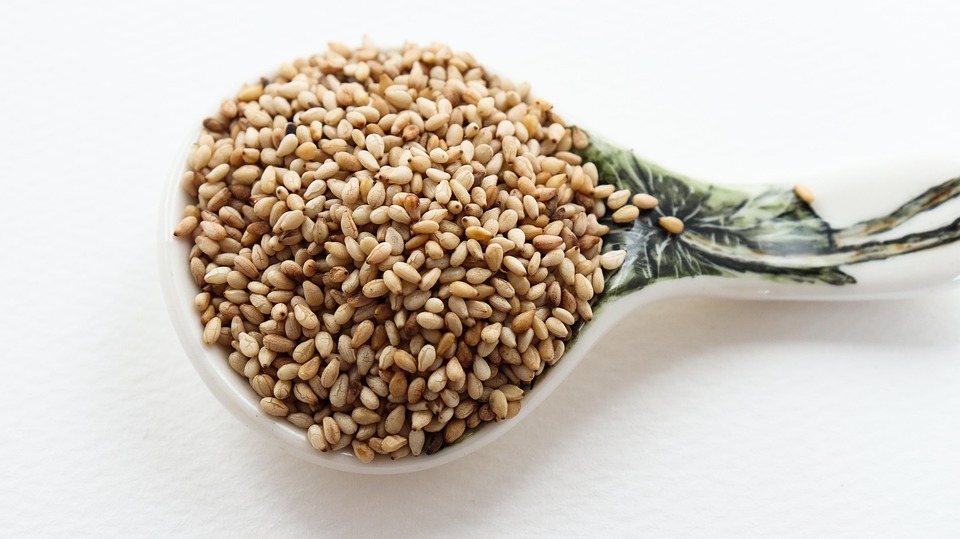
One such alternative gaining attention is sesame seeds. These tiny seeds pack a powerful nutritional punch, offering a rich source of calcium along with a variety of other essential nutrients. Incorporating sesame seeds into your diet can be an effective strategy for enhancing bone health while also adding flavor and texture to meals. The versatility of sesame seeds means they can be easily integrated into different dishes, making them an accessible choice for anyone looking to improve their bone health.
This guide will explore the benefits of sesame seeds for bone health, detailing how to effectively incorporate them into your daily routine. You will learn practical applications, common mistakes to avoid, the underlying science behind their benefits, and much more. Whether you are seeking to prevent bone-related issues or simply enhance your overall nutrition, sesame seeds could be the key ingredient you need.
Understanding how to utilize sesame seeds effectively and safely can make all the difference in achieving optimal bone health. Prepare to dive deep into the world of sesame seeds and discover how they can support your journey towards stronger bones.
Contents
How to Use Sesame Seeds for Real Results
- Best Form: Raw or lightly toasted seeds
- Best Time: Throughout the day, especially at breakfast
- Expected Result: Improved calcium intake and enhanced bone density
For Daily Protection
The Prep: Start with raw or lightly toasted sesame seeds. Measure out about one to two tablespoons. You can choose to grind them for better absorption or use them whole. Have them ready for easy access.
The Action: Sprinkle the seeds on your morning oatmeal or yogurt. You can also mix them into smoothies or incorporate them into salad dressings. Consuming them this way ensures you receive their full nutritional benefits.
The Feeling: After consuming sesame seeds, you may notice a subtle crunch and nutty flavor that enhances your meal. The sensation is satisfying and can leave you feeling full longer, aiding in overall dietary balance.
Pro Tip: Consider adding sesame seeds to homemade energy bars for a nutritious snack.
In Your Favorite Dishes
The Prep: Gather your favorite stir-fry vegetables, protein source, and one to two tablespoons of sesame seeds. You can also include soy sauce or other seasonings to enhance the flavor.
The Action: Stir-fry your vegetables and protein in a pan over medium heat. Just before serving, sprinkle sesame seeds over the dish, allowing them to warm slightly. This will enhance the flavor while adding texture.
The Feeling: The warmth brings out the nutty aroma of the sesame seeds, creating a delightful taste experience. The added crunch complements the soft textures of the stir-fried ingredients.
Pro Tip: Toast the seeds lightly in a dry pan before adding them to maximize their flavor.
The Evening Snack
The Prep: For a nutritious evening snack, prepare a small bowl of mixed nuts and seeds, including sesame seeds. Aim for a total of about a handful.
The Action: Enjoy this mix as a snack while watching TV or reading. The combination of flavors will satisfy your cravings while providing essential nutrients.
The Feeling: As you munch on the seeds and nuts, the satisfying crunch and rich flavors will keep you engaged. You may feel a sense of fullness without overindulging.
Pro Tip: Pair the snack with herbal tea for a calming evening routine.
Avoiding Common Mistakes with Sesame Seeds
Using Low Quality Seeds
Opt for organic or reputable brands that prioritize freshness. Store sesame seeds in a cool, dark place to maintain their integrity. This practice will help you avoid potential health risks associated with low-quality products. Focusing solely on sesame seeds for calcium can lead to an imbalanced diet. While sesame seeds provide a significant calcium source, they should be part of a broader nutritional strategy that includes other calcium-rich foods. Incorporate a variety of vegetables, nuts, seeds, and legumes to ensure you receive a well-rounded array of nutrients. This strategy will support your overall health and enhance the benefits of sesame seeds. While sesame seeds are healthy, moderation is key. Consuming excessive amounts can lead to digestive discomfort and may interfere with nutrient absorption. Balance is essential. Stick to the recommended serving size of one to two tablespoons daily. This amount provides ample benefits without overwhelming your system. Listen to your body and adjust your intake as necessary. The biological mechanism through which sesame seeds contribute to bone health primarily revolves around their calcium content. Calcium is a critical mineral that helps maintain bone structure and strength. It is essential for bone remodeling, which is the process where old bone tissue is replaced with new tissue. One key compound in sesame seeds is sesamin, a lignan known for its antioxidant properties. Sesamin may help enhance calcium absorption in the body, thus promoting better bone density and overall health. The combination of calcium and sesamin creates a synergistic effect that benefits bone health significantly. Research supports these claims. Studies have shown that sesame seeds can effectively increase calcium levels in the body. For more in-depth information, visit NIH ODS Fact Sheet.Neglecting Other Nutrients
Overconsumption
The Mechanisms Behind Bone Health
Choosing the Right Product
Benefits vs Risks
| The Benefits | Potential Downsides |
|---|---|
| Rich in calcium and other essential nutrients. | Excessive consumption can lead to digestive issues. |
| Contains healthy fats that support heart health. | Low-quality seeds may be rancid or less nutritious. |
| Versatile and easy to incorporate into various dishes. | May not provide sufficient calcium if relied on exclusively. |
Habits for Enhanced Benefits
Incorporate weight-bearing exercises into your routine. Activities such as walking, running, or strength training can boost bone density and complement your sesame seed intake.
Maintain a balanced diet that includes a variety of calcium sources. This holistic approach ensures you meet your nutritional needs while supporting your bone health.
Who Should Avoid This?
- Individuals with a sesame seed allergy.
- People on specific medications that may interact with sesame.
- Those with digestive disorders that could be exacerbated by high-fiber foods.
Common Questions
How much calcium is in sesame seeds?
One tablespoon of sesame seeds contains approximately 88 mg of calcium, making them a valuable addition to a calcium-rich diet.
Can sesame seeds help with osteoporosis?
While they are not a cure, sesame seeds can support bone health when included as part of a balanced diet rich in calcium and other nutrients.
Are there any side effects of consuming sesame seeds?
Generally, sesame seeds are safe to eat. However, overconsumption may lead to digestive discomfort in some individuals.
How should I store sesame seeds?
Store sesame seeds in a cool, dark place in an airtight container to maintain their freshness and nutrient content.
The Bottom Line
Incorporating sesame seeds into your diet can significantly enhance your bone health when done correctly.
- The Truth: They are not a standalone solution for calcium needs.
- The Strategy: Use them throughout the day for maximum benefits.
- The Next Step: Consider adding them to your daily smoothie or salad.
Get Your FREE Natural Health Guide!
Subscribe now and receive our exclusive ebook packed with natural health tips, practical wellness advice, and easy lifestyle changes, delivered straight to your inbox.