
Suffering from forgetfulness or mental fog can be frustrating. Many individuals seek ways to enhance their cognitive function and memory retention. The modern lifestyle, filled with distractions and stressors, often exacerbates these issues. Natural remedies have gained popularity as viable alternatives to pharmaceutical options. One such remedy is sage tea, which has been celebrated for centuries for its potential cognitive benefits.

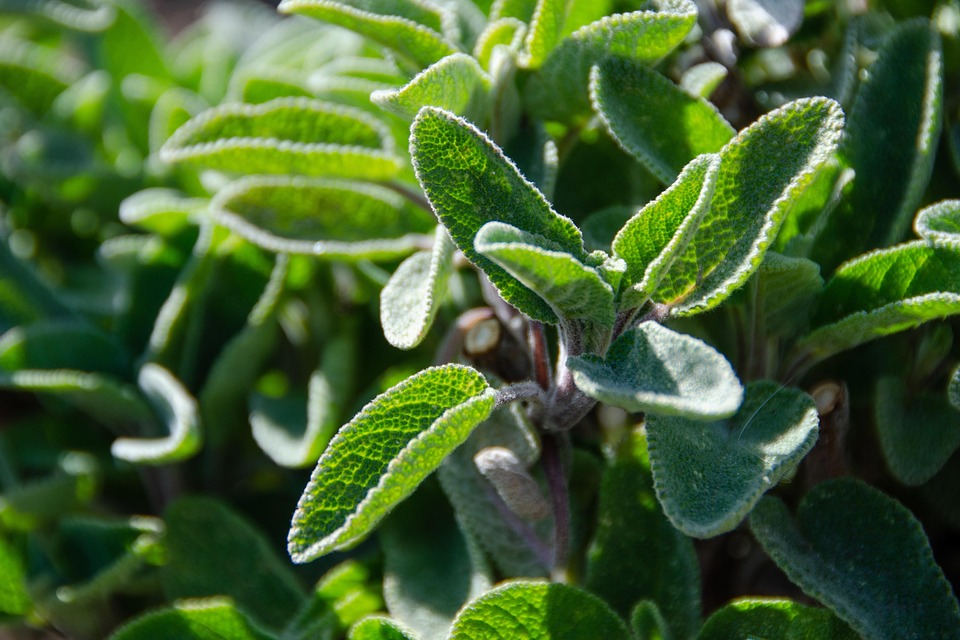
Sage is more than just an aromatic herb used in cooking. It has a rich history in traditional medicine, particularly in the realms of memory enhancement and mental clarity. The active compounds found in sage are believed to support cognitive functions. This makes sage tea an appealing option for those looking to sharpen their memory and improve overall mental performance.
Incorporating sage tea into your daily routine can be simple and rewarding. Understanding how to prepare and consume this herbal infusion can lead to significant cognitive benefits. This guide will explore practical applications, common mistakes, scientific backing, and more, allowing you to harness the full power of sage tea for sharper memory.
As you delve into this guide, you will uncover various ways to use sage tea effectively. The focus will be on actionable insights that can easily fit into your lifestyle.
Contents
How to Use Sage Tea for Real Results
- Best Form: Loose leaf or tea bags
- Best Time: Morning or early afternoon
- Expected Result: Enhanced memory and focus
Daily Cognitive Boost
The Prep: Start with high-quality dried sage leaves, ideally organic, to ensure purity. You will need one tablespoon of sage leaves for a single cup. Gather fresh water and a small saucepan for boiling. A tea infuser can be helpful, but if you don’t have one, a fine mesh strainer will suffice.
The Action: Begin by boiling one cup of water in the saucepan. Once it reaches a rolling boil, remove it from heat. Add the sage leaves to the water and cover it. Allow the mixture to steep for about 5 to 10 minutes, depending on your taste preference. Strain the tea into a cup and enjoy it hot. You can add honey or lemon for flavor if desired.
The Feeling: Upon sipping the tea, you may experience a warm, soothing sensation as it enters your body. The flavor can be earthy and slightly peppery, which many find invigorating. The effects may start to manifest within 30 minutes, leading to improved focus and clarity throughout your day.
Pro Tip: Drink this tea in the morning for optimal cognitive benefits throughout the day.
Stress Reduction Ritual
The Prep: For this calming ritual, gather one tablespoon of dried sage leaves, a cup of water, and a quiet space where you can relax. You may also want to light a candle or play soft music to enhance the atmosphere.
The Action: Boil the water and then remove it from heat. Add the sage leaves and let them steep for 7 to 10 minutes. As the tea steeps, take a moment to breathe deeply and center yourself. Strain the tea into your favorite mug. Sit comfortably and sip slowly, allowing each sip to calm your mind.
The Feeling: This ritual can induce a sense of tranquility almost immediately. The aroma of sage may evoke feelings of nostalgia or comfort. As you continue to sip, tension in your muscles may begin to dissipate, leading to a clearer mind and reduced anxiety.
Pro Tip: Pair this tea with mindfulness or meditation for enhanced stress relief.
Evening Wind Down
The Prep: To prepare for a restful evening, gather one tablespoon of dried sage leaves and a cup of water. Make sure your environment is dimly lit and conducive to relaxation. Consider adding a splash of chamomile for added calming effects.
The Action: Boil the water and once it reaches a boil, remove it from heat. Add the sage leaves and let the tea steep for 10 minutes. Strain the tea into a mug and allow it to cool slightly before drinking. This will help you avoid burns and enhance the sipping experience.
The Feeling: As you drink this tea, you may notice a gradual relaxation of your body. The warmth of the liquid can feel comforting, and the earthy taste may soothe your palate. Many find that this evening routine helps them prepare for a restful night, potentially improving memory consolidation during sleep.
Pro Tip: Drinking this tea at least an hour before bedtime can promote better sleep quality.
Common Errors to Avoid When Using Sage Tea
Using Low-Quality Herbs
Using low-quality sage can dilute the potential benefits of sage tea. Inferior herbs may be contaminated with pesticides or lack the active compounds that contribute to cognitive enhancement. Always opt for organic or reputable brands to ensure you are getting the best quality.
Investing in high-quality sage also means you will likely enjoy a richer flavor profile, enhancing your overall experience. This can motivate you to incorporate it into your routine more regularly, maximizing its benefits.
Overconsumption
While sage tea offers numerous benefits, moderation is key. Overconsumption can lead to potential side effects such as gastrointestinal discomfort or dizziness. It is advisable to limit your intake to two to three cups per day.
Listening to your body is essential. If you experience any adverse effects, consider reducing your intake or consulting with a healthcare professional. This approach ensures you reap the benefits without overloading your system.
Neglecting Preparation Techniques
Improper preparation can lead to a subpar experience. Not steeping the tea long enough may result in a weak flavor and reduced benefits. Conversely, steeping for too long can make the tea bitter and unpalatable.
Pay close attention to steeping times and water temperature. Following the recommended guidelines will ensure that you extract the maximum flavor and health benefits from the sage leaves. Taking the time to prepare your tea properly will enhance your overall enjoyment.
The Science Behind Sage’s Cognitive Benefits
The biological mechanisms of sage’s cognitive benefits are rooted in its ability to enhance neurotransmitter activity. Sage has been shown to inhibit the breakdown of acetylcholine, a neurotransmitter that plays a crucial role in memory and learning. By preserving acetylcholine levels, sage can potentially improve cognitive function and memory retention.
Key compounds in sage, such as rosmarinic acid and various flavonoids, have been studied for their neuroprotective properties. These compounds exhibit antioxidant effects, protecting brain cells from oxidative stress. This protection can contribute to improved memory and cognitive health, making sage a valuable addition to a brain-boosting regimen.
Clinical evidence supports these claims. A study published in the journal Phytotherapy Research found that sage extract significantly improved cognitive performance in healthy adults. For more detailed findings, you can explore this research link. Such studies highlight the potential of sage as a natural cognitive enhancer.
Choosing the Right Product
-
Potency: A product’s potency matters because it determines how effective the tea will be in delivering cognitive benefits. Higher potency often means more active compounds are present.
-
Purity: Ensuring that the sage is free from pesticides and contaminants is crucial for safety and effectiveness. Organic certifications can provide assurance of purity.
-
Form: Loose leaf sage often offers a fresher flavor and higher quality compared to tea bags. Understanding the different forms can help you choose the best option for your needs.
Benefits vs Risks
| The Benefits | Potential Downsides |
|---|---|
| Enhances memory and cognitive function | May cause gastrointestinal discomfort if overconsumed |
| Rich in antioxidants | Possible interactions with certain medications |
| Natural stress reliever | Not suitable for pregnant or breastfeeding women |
Habits to Enhance Your Experience
Incorporating mindfulness practices into your daily routine can greatly enhance the effects of sage tea. Taking a few moments to breathe deeply before sipping can help center your mind, making the tea more effective.
Engaging in regular physical activity also complements the cognitive benefits of sage tea. Exercise increases blood flow to the brain, potentially amplifying the memory-enhancing effects of the tea.
Who Should Avoid This?
- Individuals taking anticoagulant medications
- Pregnant or breastfeeding women
- Those with a history of hormone-sensitive conditions
- People with allergies to sage or related herbs
Common Questions
How much sage tea should I drink daily?
Two to three cups a day is generally recommended for optimal benefits without adverse effects.
Can I sweeten sage tea?
Yes, honey or lemon can enhance the flavor without negating the benefits.
Is sage tea safe for everyone?
While many can enjoy sage tea, those with specific medical conditions should consult a healthcare professional.
How long does it take to feel the effects?
Effects may be felt within 30 minutes of consumption, depending on individual sensitivity.
The Bottom Line
Sage tea offers promising cognitive benefits, particularly for memory enhancement.
- The Truth: While sage tea can improve cognitive function, it is not a substitute for a balanced diet and lifestyle.
- The Strategy: For maximum benefits, consider drinking sage tea in the morning or early afternoon.
- The Next Step: Pair sage tea with mindfulness practices to enhance its effects.
Get Your FREE Natural Health Guide!
Subscribe now and receive our exclusive ebook packed with natural health tips, practical wellness advice, and easy lifestyle changes, delivered straight to your inbox.