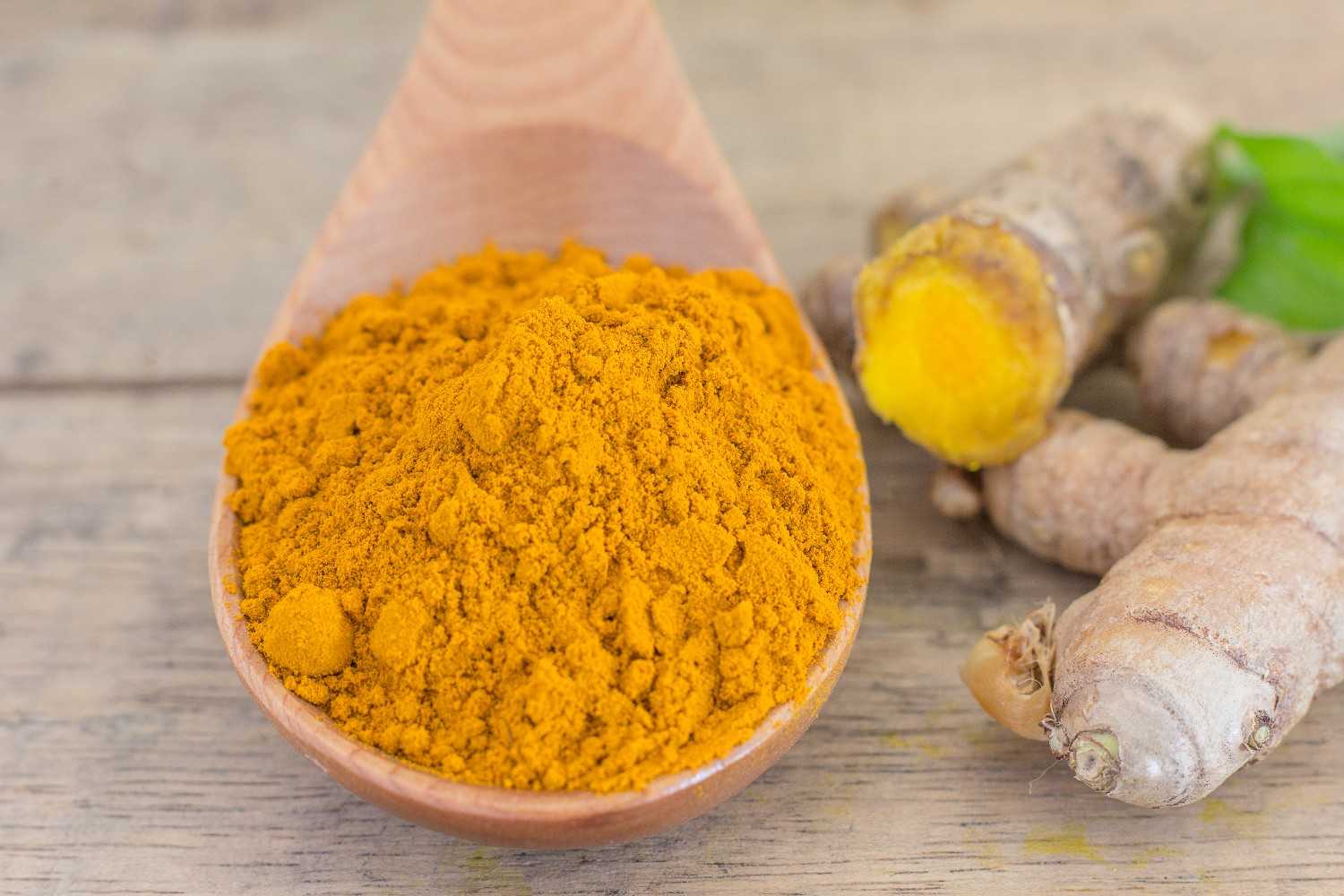

Turmeric has gained significant attention in the realm of natural remedies, particularly for its anti-inflammatory properties. Ear inflammation can be a painful and disruptive condition, affecting individuals of all ages. Whether it’s caused by infections, allergies, or other underlying issues, the discomfort can be overwhelming. Traditional treatments often involve medications that may come with side effects, leading many to seek natural alternatives.
Turmeric, a vibrant yellow spice derived from the Curcuma longa plant, contains curcumin, a compound renowned for its potent anti-inflammatory and antioxidant properties. Many individuals are turning to turmeric as a safer and more holistic approach to managing ear inflammation. Understanding how to harness turmeric’s benefits can empower those dealing with this condition to find relief without relying solely on pharmaceuticals.
This guide delves deep into the practical applications of turmeric for ear inflammation, exploring not just its benefits but also how to effectively integrate it into daily routines. From preparation methods to common mistakes to avoid, this comprehensive resource aims to provide actionable insights for achieving real results with turmeric.
Readers will also discover the scientific mechanisms behind turmeric’s effectiveness, alongside practical tips for selecting quality products. Whether you’re seeking to alleviate discomfort or simply exploring natural wellness options, this guide serves as a valuable tool in your wellness journey.

Contents
How to Use Turmeric for Real Results
- Best Form: Fresh turmeric root or high-quality turmeric powder.
- Best Time: Morning for daily use or as needed during flare-ups.
- Expected Result: Reduced inflammation and discomfort in the ear area.
For Daily Protection
The Prep: Gather fresh turmeric root, honey, and warm water. You will need about one teaspoon of grated turmeric, a teaspoon of honey, and a cup of warm water.
The Action: Begin by grating the turmeric root. Combine the grated turmeric with honey in a cup. Add warm water and stir until the mixture is well-blended. Consume this mixture each morning to help maintain overall ear health.
The Feeling: Upon consumption, you may experience a warming sensation in your throat. This should be accompanied by a subtle sweetness from the honey. Expect to feel invigorated, with potential relief from minor inflammation over time.
Pro Tip: For added benefits, consider incorporating black pepper into your mixture. This enhances curcumin absorption.
Targeting Acute Pain
The Prep: For acute ear pain, prepare a turmeric paste using turmeric powder, coconut oil, and a few drops of tea tree oil. You will need two tablespoons of turmeric powder and one tablespoon of coconut oil.
The Action: Mix the turmeric powder with coconut oil until you form a thick paste. Add a few drops of tea tree oil for its antimicrobial properties. Apply this paste around the outer ear area, avoiding direct contact with the ear canal. Leave it on for 20 minutes before rinsing with warm water.
The Feeling: You may notice a cooling sensation from the coconut oil and a slight warmth from the turmeric. This should feel soothing and may help alleviate pain almost immediately.
Pro Tip: Ensure you do not apply the paste too close to the ear canal to prevent irritation.
The Nighttime Routine
The Prep: For nighttime relief, create a soothing turmeric-infused warm compress. Gather turmeric powder, a clean cloth, and warm water.
The Action: Mix one tablespoon of turmeric powder with warm water to create a paste. Soak the clean cloth in this mixture and apply it gently to the affected ear. Let it sit for about 30 minutes while you relax.
The Feeling: You will likely feel a gentle warmth and a sense of relaxation as the compress rests on your ear. This method can help ease discomfort and promote better sleep.
Pro Tip: Ensure the compress is warm but not too hot to avoid burns.
Avoiding Common Pitfalls
Using Low Quality Herbs
Using low-quality turmeric can significantly diminish its potential benefits. Many commercially available turmeric products may contain fillers or lack the necessary curcumin concentration. Always opt for organic or high-quality sources to ensure you receive the maximum therapeutic effect.
To ensure quality, look for turmeric that is bright orange in color and has a strong, earthy aroma. Avoid products that appear dull or have an off smell. Investing in high-quality turmeric will yield better results in managing inflammation.
Neglecting Dosage Recommendations
Another common mistake is not adhering to recommended dosages. While turmeric is generally safe, excessive consumption may lead to gastrointestinal issues or other adverse effects. It is important to start with small amounts and gradually increase as needed.
Consulting with a healthcare professional can provide personalized dosage recommendations based on individual health conditions. This ensures that you harness turmeric’s benefits without risking side effects.
Ignoring Dietary Interactions
Failing to consider dietary interactions can also undermine turmeric’s effectiveness. Consuming turmeric without fats may limit absorption, as curcumin is fat-soluble. Pairing turmeric with healthy fats, such as coconut oil or olive oil, enhances its bioavailability.
Additionally, combining turmeric with black pepper can increase its absorption significantly. Being mindful of these dietary interactions can optimize the benefits of turmeric in your wellness routine.
The Science Behind Turmeric’s Effects
Turmeric’s primary active ingredient, curcumin, interacts with various biological pathways that modulate inflammation. It inhibits the activity of inflammatory cytokines and enzymes, effectively reducing the inflammatory response. This mechanism can be particularly beneficial for conditions like ear inflammation.
Curcumin’s antioxidant properties help combat oxidative stress in the body. By neutralizing free radicals, it protects cells from damage, contributing to overall ear health. This dual action makes turmeric a powerful ally in managing inflammation and promoting healing.
Clinical studies support turmeric’s effectiveness in reducing inflammation. A comprehensive review of studies highlights its potential in treating various inflammatory conditions, including those affecting the ear. For further details, refer to this PubMed search.
Choosing the Right Product
- Potency: Higher curcumin content typically indicates better effectiveness. Look for products that specify curcumin levels.
- Purity: Ensure the product is free from additives and fillers. Organic certification can be a good indicator of quality.
- Form: Turmeric is available in various forms, including capsules, powders, and teas. Select a form that fits your lifestyle for easier integration.
Benefits vs Risks
| The Benefits | Potential Downsides |
|---|---|
| Reduces inflammation effectively | May cause gastrointestinal discomfort in high doses |
| Rich in antioxidants | Can interact with certain medications |
| Promotes overall ear health | Quality varies among products |
Habits to Enhance Effectiveness
Incorporating regular exercise can amplify turmeric’s anti-inflammatory benefits. Physical activity helps reduce inflammation and improves overall health, making it a perfect companion to turmeric supplementation.
Maintaining a balanced diet rich in fruits, vegetables, and healthy fats also supports inflammation management. Foods like avocados and nuts complement turmeric’s effects, enhancing its efficacy in reducing ear inflammation.
Who Should Avoid This?
– Individuals with gallbladder issues.
– Those on blood-thinning medications.
– Pregnant or breastfeeding women without medical supervision.
– People with certain chronic conditions should consult a healthcare professional before use.
Common Questions
Can turmeric help with ear infections?
Turmeric may help reduce inflammation associated with ear infections, but it should not replace medical treatment.
How quickly can I expect results?
Results may vary, but many individuals report feeling relief within a few days to weeks of consistent use.
Is it safe to use turmeric daily?
Generally, turmeric is safe for daily use in moderate amounts. However, consult with a healthcare provider for personalized advice.
Can I use turmeric if I am pregnant?
Pregnant women should consult their healthcare provider before using turmeric, as high doses may not be advisable.
The Bottom Line
Turmeric offers promising benefits for easing ear inflammation naturally.
- The Truth: Some individuals may experience limited effects based on their unique health conditions.
- The Strategy: Incorporate turmeric into your routine in the morning for optimal benefits.
- The Next Step: Consider integrating healthy fats into your diet to enhance turmeric absorption.
Get Your FREE Natural Health Guide!
Subscribe now and receive our exclusive ebook packed with natural health tips, practical wellness advice, and easy lifestyle changes, delivered straight to your inbox.