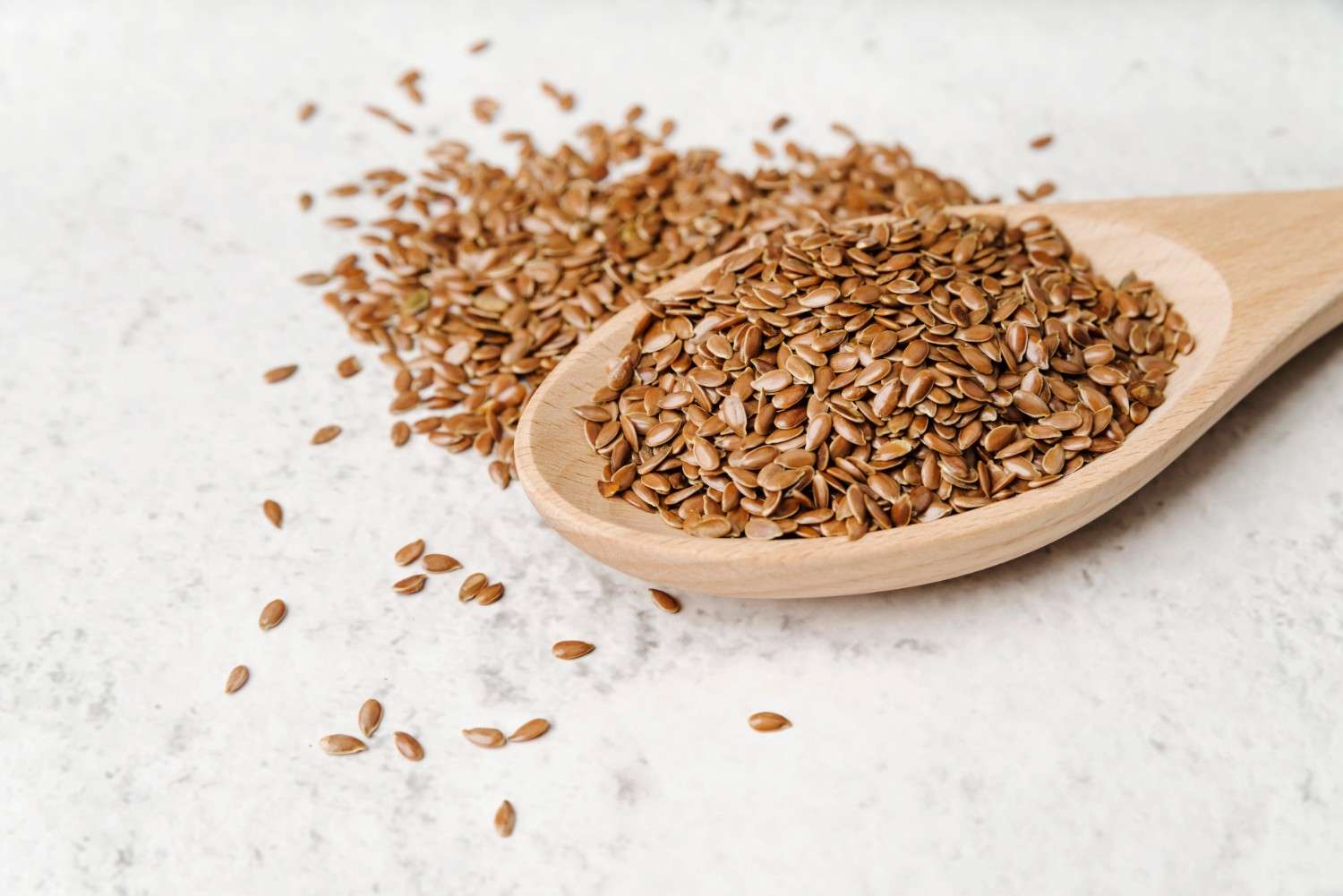

Flaxseed oil has emerged as a powerful natural remedy for managing inflammation, a condition that plagues many individuals today. Chronic inflammation can lead to various health issues, including arthritis, cardiovascular disease, and even certain cancers. Understanding how to effectively incorporate flaxseed oil into your wellness routine can provide significant relief and support overall health.
The omega-3 fatty acids found in flaxseed oil, particularly alpha-linolenic acid (ALA), play a crucial role in reducing inflammation. This oil not only serves as a dietary supplement but also offers versatile applications for both internal and external use. As more people seek natural alternatives to pharmaceutical anti-inflammatories, flaxseed oil stands out as nature’s gentle ally.
To maximize the benefits of flaxseed oil, it is essential to understand its various applications, potential pitfalls, and the science behind its effectiveness. This guide will delve into practical ways to utilize flaxseed oil, common mistakes to avoid, and the scientific rationale that supports its use for inflammation support.
By the end of this exploration, you will have a comprehensive understanding of how flaxseed oil can be a valuable addition to your health regimen, offering a natural pathway to alleviating inflammation and enhancing your overall well-being.
Contents
How to Use Flaxseed Oil for Real Results
- Best Form: Cold-pressed liquid oil
- Best Time: Daily with meals
- Expected Result: Noticeable reduction in inflammation
For Daily Protection
The Prep: Gather quality cold-pressed flaxseed oil, a measuring spoon, and a glass of water. It is advisable to choose organic oil to ensure purity.
The Action: Take one tablespoon of flaxseed oil daily. Mix it into a smoothie or salad dressing to enhance absorption. Always consume it with food to improve the bioavailability of the omega-3 fatty acids.
The Feeling: Initially, you may notice a slight nutty flavor. After consistent use, many report a sense of improved joint mobility and overall well-being within a few weeks.
Pro Tip: Pair flaxseed oil with foods rich in antioxidants, like berries, to further combat inflammation.
Targeting Acute Pain
The Prep: For this application, you will need flaxseed oil, a small bowl, and a cotton cloth or gauze.
The Action: Warm a tablespoon of flaxseed oil slightly in the microwave for about ten seconds. Soak the cloth in the oil and gently apply it to the painful area for about 15 to 20 minutes. This topical application can help soothe acute inflammation and discomfort.
The Feeling: Users often experience a warm and soothing sensation as the oil penetrates the skin. Relief can be felt almost immediately, with effects lasting for hours.
Pro Tip: Always do a patch test to ensure there are no allergic reactions before applying it extensively.
The Nighttime Routine
The Prep: Gather flaxseed oil, a teaspoon, and a glass of warm herbal tea to enhance relaxation.
The Action: Before bed, take a teaspoon of flaxseed oil. It can be mixed into the tea or taken directly. This practice not only aids in reducing inflammation but also promotes better sleep quality.
The Feeling: Many report a calming effect that helps them wind down for the night. After a week of this routine, improved sleep and reduced stiffness in the morning can often be observed.
Pro Tip: Combine this routine with a gentle stretching session to further enhance relaxation and reduce inflammation.
Common Mistakes to Avoid
Using Low Quality Oils
Purchasing low-quality flaxseed oil can greatly diminish its potential benefits. Many commercially available oils are refined, which strips away essential nutrients.
Choosing cold-pressed, organic flaxseed oil ensures that you receive the full spectrum of omega-3 fatty acids and other beneficial compounds. Always check labels for quality indicators and certifications.
Ignoring Storage Guidelines
Flaxseed oil is sensitive to light and heat, which can lead to oxidation. Many individuals neglect proper storage, keeping the oil in warm or brightly lit places.
To maintain its efficacy, store flaxseed oil in a dark glass bottle in the refrigerator. This simple step can prolong its shelf life and preserve its health benefits.
Overlooking Dosage Recommendations
Some people may assume that taking more flaxseed oil will yield quicker results. However, excessive consumption can lead to digestive issues or other complications.
Sticking to the recommended daily dose of one to two tablespoons is ideal. This moderate approach helps in reaping the benefits without adverse effects.
The Science Behind Flaxseed Oil
Flaxseed oil works primarily through its rich content of omega-3 fatty acids. These fatty acids are essential for producing anti-inflammatory compounds in the body. They help to inhibit the production of inflammatory markers, thereby lowering overall inflammation levels.
The key compound in flaxseed oil is alpha-linolenic acid (ALA). This omega-3 fatty acid is converted in the body to eicosapentaenoic acid (EPA) and docosahexaenoic acid (DHA), which are known for their anti-inflammatory properties. This conversion process is crucial for maximizing the therapeutic effects of flaxseed oil.
Clinical studies have demonstrated the efficacy of flaxseed oil in reducing inflammation. Research indicates that supplementation with flaxseed oil can significantly lower levels of C-reactive protein, a marker of systemic inflammation. For further reading on the clinical evidence, visit PubMed.
Choosing the Right Product
- Potency: Higher potency oils typically contain more omega-3s, making them more effective for inflammation support.
- Purity: Look for oils that are cold-pressed and organic to avoid contaminants and ensure maximum benefits.
- Form: Liquid forms are generally more bioavailable than capsules, enhancing absorption and efficacy.
Pros & Cons
| The Benefits | Potential Downsides |
|---|---|
| Rich source of omega-3 fatty acids | Can spoil quickly if not stored properly |
| Supports cardiovascular health | May cause digestive discomfort in some individuals |
| Natural anti-inflammatory properties | Not suitable for everyone, especially those with certain medical conditions |
Habits to Enhance Benefits
Incorporating regular exercise into your routine can amplify the anti-inflammatory effects of flaxseed oil. Engaging in activities like walking, yoga, or swimming promotes circulation and reduces inflammation.
Mindfulness practices, such as meditation or deep breathing, can also enhance the benefits of flaxseed oil. These practices reduce stress, which is a known contributor to inflammation.
Who Should Avoid This?
– Individuals with allergies to flaxseed or related plants
– People on anticoagulant medications
– Pregnant or breastfeeding women without medical consultation
– Those with gastrointestinal disorders
Common Questions
Can flaxseed oil replace fish oil?
Flaxseed oil is a plant-based source of omega-3s but does not contain EPA and DHA directly. It can be a good alternative for vegans or vegetarians.
How long does it take to see results?
Many users report improvements within a few weeks, but individual results may vary based on overall diet and health status.
Can I cook with flaxseed oil?
It is not recommended to cook with flaxseed oil, as high temperatures can damage its beneficial properties. Use it in dressings or smoothies instead.
Is flaxseed oil safe for everyone?
While generally safe, individuals with specific medical conditions or allergies should consult a healthcare professional before use.
The Bottom Line
Flaxseed oil can be a valuable ally in managing inflammation and promoting overall well-being.
- The Truth: While beneficial, it should not replace conventional treatments without consulting a healthcare provider.
- The Strategy: Incorporate it into meals for optimal absorption.
- The Next Step: Consider adding a daily stretching routine to complement its effects.
Get Your FREE Natural Health Guide!
Subscribe now and receive our exclusive ebook packed with natural health tips, practical wellness advice, and easy lifestyle changes, delivered straight to your inbox.