
Maintaining oral hygiene is often seen as a mundane task. Many individuals rely on commercial toothpaste and mouthwash, unaware of the natural alternatives that exist. Among these, the neem stick stands out as a remarkable solution. This traditional practice has been used for centuries in various cultures, particularly in India, to promote dental health. The neem tree, known for its potent antibacterial properties, offers a natural method for cleaning teeth and maintaining oral hygiene.
The benefits of using neem sticks extend beyond mere cleaning. They can help combat bad breath, reduce plaque buildup, and promote gum health. Unlike conventional dental products that may contain artificial ingredients and harsh chemicals, neem sticks provide a more holistic approach to oral care. This guide will equip you with practical knowledge on how to effectively use neem sticks for cleaning your teeth.
Understanding how to incorporate this natural remedy into your daily routine can lead to healthier gums and a brighter smile. The process is simple, cost-effective, and environmentally friendly. By the end of this guide, you will be well-versed in the art of using neem sticks, allowing you to take charge of your dental health.
Let’s explore the practical applications, science behind neem, and essential tips for maximizing your experience with this natural dental tool.
Contents
How to Use Neem Sticks for Real Results
- Best Form: Fresh neem twigs
- Best Time: Morning after breakfast
- Expected Result: Improved oral hygiene and fresher breath
For Daily Protection
The Prep: Start with a fresh neem twig, ideally around six inches long. Cut one end at an angle to create a brush-like tip. Rinse the twig under clean water to remove any dust or impurities.
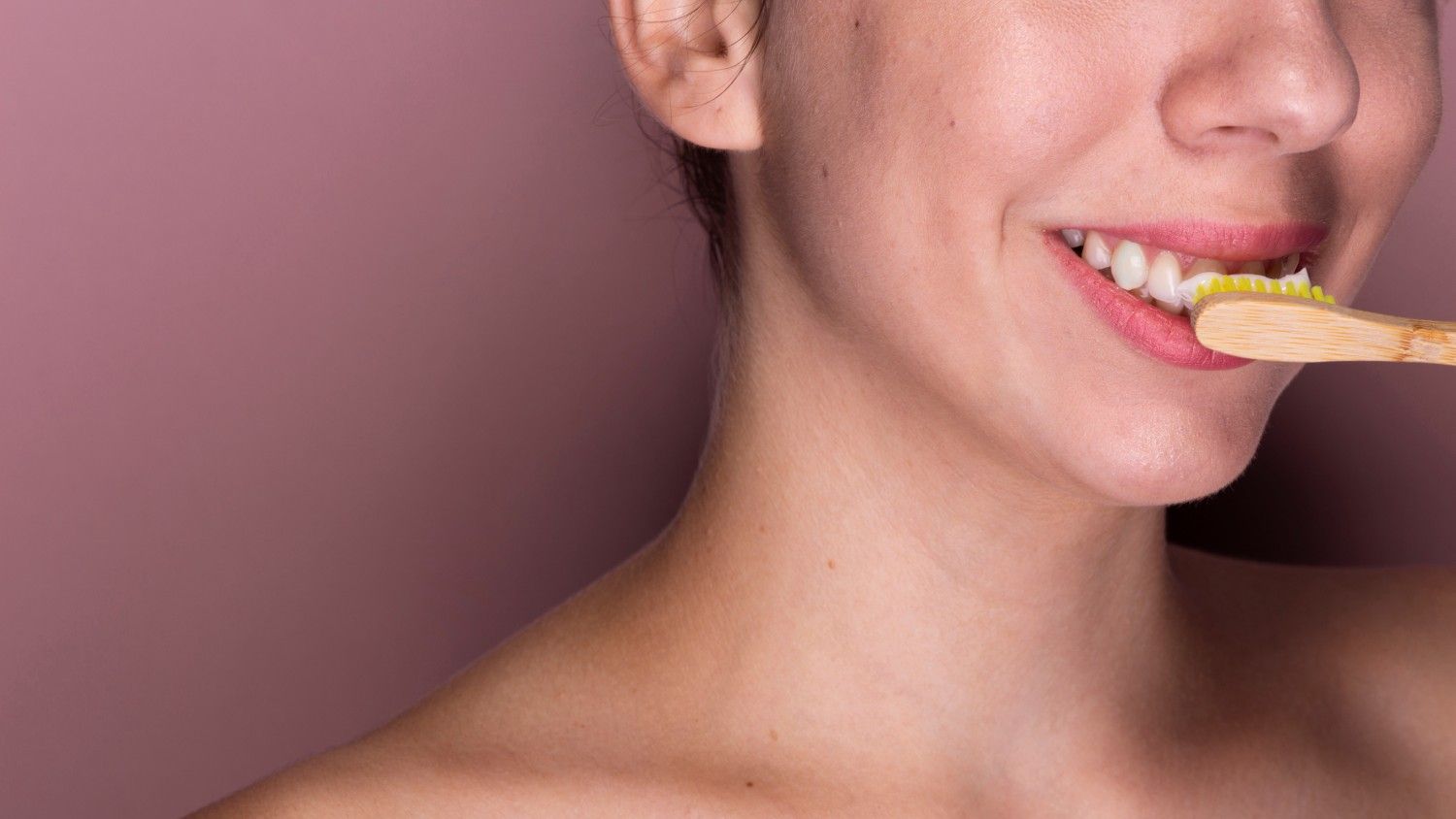
The Action: Gently chew the cut end of the neem twig for about two minutes. As the fibers begin to fray, use it to brush your teeth in circular motions. Focus on each tooth, ensuring you cover the front, back, and chewing surfaces.
The Feeling: Expect a natural cooling sensation as you use the neem stick. The taste may be slightly bitter, but it quickly fades. You will notice a clean feeling in your mouth that lasts for hours.
Pro Tip: Always use fresh neem twigs for the best antibacterial properties and taste.
Targeting Gum Health
The Prep: Select a neem twig that is tender and flexible. Trim one end to create a brush-like tip, and soak the twig in warm water for a few minutes to soften it further.
The Action: After soaking, chew the softened end gently to fray the fibers more. Use the frayed end to massage your gums gently, applying light pressure. This action stimulates blood flow and helps remove plaque.
The Feeling: You may feel a slight tingling as you massage your gums, which indicates increased circulation. The experience is refreshing and leaves a clean taste in your mouth.
Pro Tip: Massaging your gums daily can significantly improve gum health over time.
The Nighttime Routine
The Prep: Choose a neem twig with a sturdy, thick end. Cut it to a manageable size, ensuring it fits comfortably in your hand. Rinse it thoroughly before use.
The Action: Before bed, chew the thicker end to create a brush. Use it to gently scrub your teeth and gums, focusing on areas that may be prone to plaque buildup. Spit out any residue.
The Feeling: The sensation will be invigorating yet soothing, as neem has natural anti-inflammatory properties. After use, you will feel a clean mouth and fresh breath, perfect for ending your day.
Pro Tip: Make this part of your nightly routine for enhanced oral health.
Common Mistakes to Avoid
Using Low Quality Neem Sticks
Not all neem sticks are created equal. Using low-quality or chemically treated twigs can lead to more harm than good. Many commercial sources may not ensure the purity of the neem, which can introduce toxins into your oral care routine.
To avoid this mistake, always source your neem sticks from reputable vendors who guarantee organic and untreated products. This ensures you benefit from the full range of neem’s natural properties without any harmful additives.
Neglecting Regular Use
Many individuals might try neem sticks occasionally, thinking that sporadic use will suffice. However, like any oral hygiene practice, consistency is key. Neglecting regular use can diminish the benefits and lead to poor oral health.
Establish a routine that incorporates neem sticks into your daily dental care. Aim for at least once a day to maintain optimal oral hygiene. This will help you achieve long-term benefits and keep your mouth healthy.
Ignoring Technique
Some users may not apply the right technique when using neem sticks. This can result in ineffective cleaning and may even cause gum irritation. Using too much force or not covering all tooth surfaces can lead to poor results.
Focus on gentle, circular motions while brushing with the neem stick. This technique effectively removes plaque and promotes gum health. Take your time to ensure you’re covering every area of your mouth.
The Science Behind Neem
Biological Mechanism: The neem tree, scientifically known as Azadirachta indica, contains numerous bioactive compounds, including nimbidin and azadirachtin. These compounds exhibit strong antibacterial, antifungal, and antiviral properties. When used for oral hygiene, neem sticks can help inhibit the growth of harmful bacteria in the mouth.
Key Compound: One of the standout compounds in neem is nimbidin. This compound has been shown to possess significant anti-inflammatory and antimicrobial effects. It aids in reducing gum inflammation and fighting off the bacteria that cause cavities and gum disease.
Clinical Evidence: Research has demonstrated the efficacy of neem in promoting oral health. A study published in the Journal of Natural Remedies found that neem extracts significantly reduced plaque and gingivitis. For more detailed scientific insights, you can access the findings on PubMed.
Choosing the Right Product
- Potency: Higher potency neem sticks contain more active compounds, which enhance their effectiveness in oral care.
- Purity: Always opt for organic neem sticks that are free from pesticides and chemicals to avoid introducing toxins into your body.
- Form: Fresh neem twigs are often more effective than dried or processed products, as they retain more beneficial compounds.
Pros & Cons
| The Benefits | Potential Downsides |
|---|---|
| Natural antibacterial properties | May have a bitter taste |
| Promotes gum health | Requires consistent use for effectiveness |
| Cost-effective and eco-friendly | Availability may be limited in some regions |
Habits for Enhanced Oral Health
Incorporating a balanced diet rich in vitamins and minerals can significantly support your oral health. Foods high in calcium and vitamin C are particularly beneficial.
Staying hydrated is also crucial. Drinking enough water helps wash away food particles and bacteria, contributing to a cleaner mouth.
Who Should Avoid This?
- Individuals with allergies to neem or related plants.
- Pregnant or breastfeeding women should consult a healthcare provider before use.
- People undergoing specific medical treatments that may interact with neem.
Common Questions
Can neem sticks replace traditional toothpaste?
While neem sticks can be effective for oral hygiene, they should not entirely replace traditional toothpaste. They can be used as a complementary method.
How often should I use neem sticks?
For best results, aim to use neem sticks at least once a day as part of your oral care routine.
Are there any side effects?
Generally, neem sticks are safe for most people. However, some may experience mild irritation or a bitter taste.
Where can I find neem sticks?
Neem sticks can often be found at health food stores, Indian grocery stores, or online retailers specializing in natural products.
The Bottom Line
Using neem sticks can be a valuable addition to your oral hygiene routine.
- The Truth: While neem sticks are beneficial, they should complement conventional dental care.
- The Strategy: Use them daily after meals to maximize their benefits.
- The Next Step: Consider integrating a balanced diet to further enhance your oral health.
Get Your FREE Natural Health Guide!
Subscribe now and receive our exclusive ebook packed with natural health tips, practical wellness advice, and easy lifestyle changes, delivered straight to your inbox.