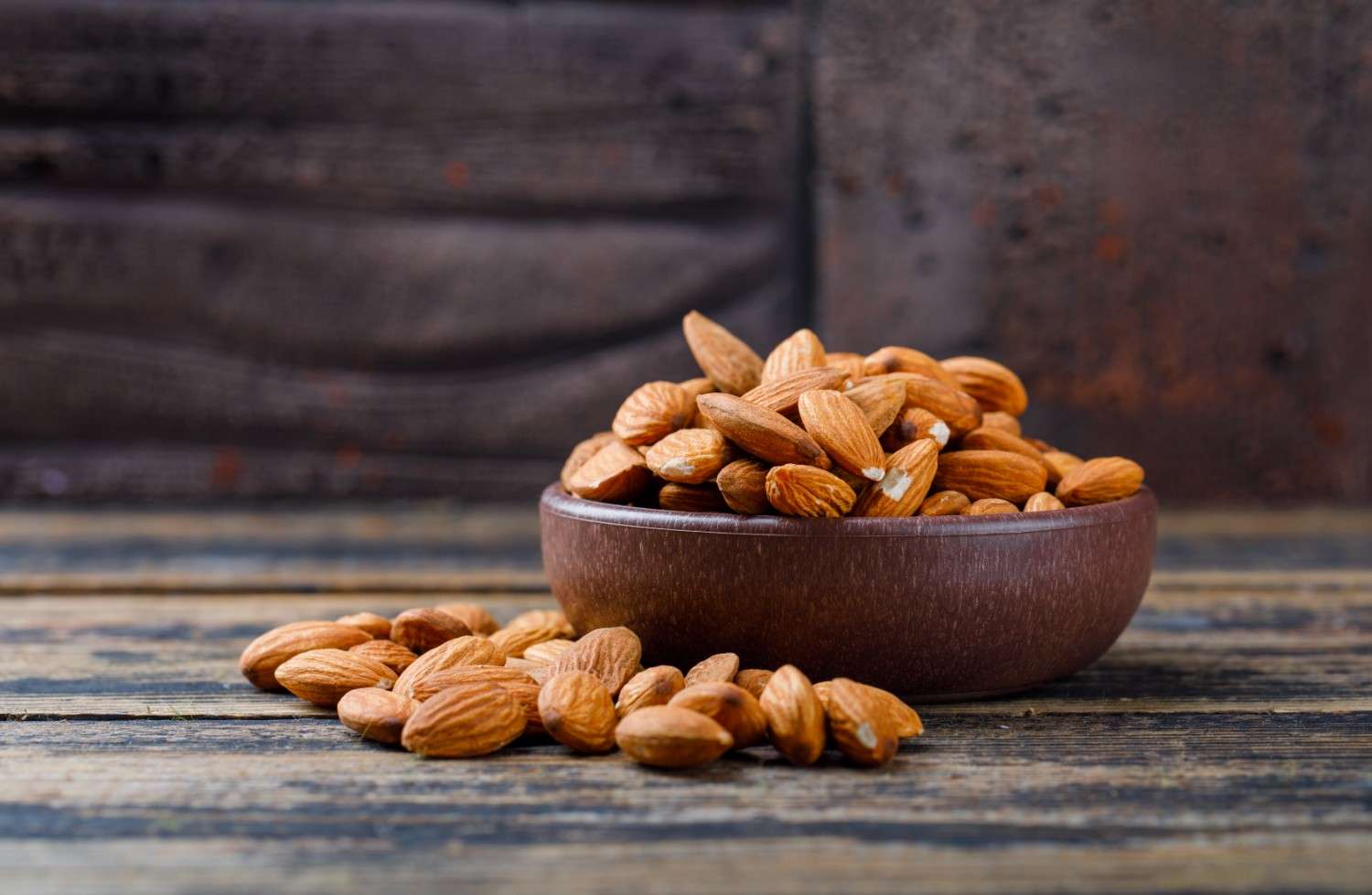

Almonds have long been celebrated for their nutritional benefits, but their role in promoting eye health through vitamin E deserves special attention. Many people are unaware that the eyes are particularly vulnerable to oxidative stress, which can lead to conditions such as macular degeneration and cataracts. Incorporating almonds into daily snacks can be an effective strategy for enhancing eye health and overall well-being.
Vitamin E is a powerful antioxidant that plays a crucial role in protecting cells from damage caused by free radicals. This protection is vital for maintaining the health of the retina and other components of the eye. Almonds are one of the richest sources of vitamin E, making them a simple yet effective choice for those looking to boost their eye health.
The convenience of almonds as a snack makes them a practical option for individuals seeking to improve their nutrition without significant effort. Whether consumed raw, roasted, or as almond butter, these nuts can easily fit into various dietary plans. Understanding how to incorporate them effectively into daily routines can maximize their benefits for eye health.
This guide aims to provide comprehensive insights into the advantages of almonds, practical applications, common pitfalls to avoid, and the scientific backing for their efficacy in promoting eye health. By the end, you will have a clear understanding of how to make almonds a staple in your diet for optimal eye protection.
Contents
How to Use Almonds for Real Results
- Best Form: Raw or lightly roasted almonds
- Best Time: Mid-morning or afternoon snack
- Expected Result: Improved eye health and reduced oxidative stress
For Daily Protection
The Prep: Start with a handful of raw or lightly roasted almonds, around 20 to 30 pieces. Ensure they are unsalted to avoid excess sodium intake. You may also want to pair them with a piece of fruit for added fiber and nutrients.
The Action: Simply eat the almonds as a snack. Chew them thoroughly to enhance nutrient absorption and enjoy the nutty flavor. This can be done during a break at work or as an afternoon pick-me-up.
The Feeling: As you consume the almonds, you may experience a satisfying crunch and a rich, creamy texture. The energy boost will be felt within 30 minutes, providing sustained energy without the crash associated with sugary snacks.
Pro Tip: Keep a small bag of almonds in your bag or desk for easy access and to avoid unhealthy snacking.
Enhancing Smoothies
The Prep: Gather your favorite smoothie ingredients. This could include bananas, spinach, yogurt, and a handful of almonds. Make sure to soak the almonds in water for a few hours beforehand to enhance their digestibility.
The Action: Blend the soaked almonds with the other ingredients until smooth. Adjust the consistency by adding water or milk as needed. Pour into a glass and enjoy your nutrient-packed drink.
The Feeling: The addition of almonds will create a creamy texture, enriching the flavor of your smoothie. You will likely feel a sense of fullness that lasts longer than with smoothies lacking healthy fats.
Pro Tip: Experiment with different fruits and greens to find your perfect almond smoothie combo.
In Homemade Granola
The Prep: Combine rolled oats, honey, and your choice of dried fruits. Add in chopped almonds for a nutrient boost. Preheat your oven to 350°F (175°C) and line a baking sheet with parchment paper.
The Action: Mix all ingredients in a bowl and spread evenly on the baking sheet. Bake for about 20 minutes, stirring halfway through to ensure even toasting. Let it cool before storing in an airtight container.
The Feeling: Enjoying a bowl of homemade granola topped with yogurt or milk will provide a delightful crunch and a satisfying sweetness. The sustained energy from the almonds will keep you focused throughout the morning.
Pro Tip: Customize your granola by adding other nuts or seeds for additional health benefits.
Avoiding Common Pitfalls
Choosing Processed Options
Many people opt for flavored or heavily salted almonds, thinking they are a more appealing snack. This choice often leads to excess sodium intake and added sugars, which can negate the health benefits. Always opt for raw or lightly roasted almonds to reap the full advantages of their nutrients.
Additionally, flavored varieties may contain artificial additives that can be detrimental to health. Stick to the natural form for optimal eye health benefits and overall nutritional value.
Ignoring Portion Control
Almonds are nutrient-dense, meaning they are high in calories despite being healthy. Overeating can lead to unwanted weight gain, which may impact overall health. A recommended serving size is about one ounce, or roughly 23 almonds.
Measuring out a portion can help maintain control over calorie intake while still enjoying the health benefits. Use small containers or bags to pre-portion almonds for easy snacking.
Neglecting Variety
Relying solely on almonds for vitamin E may lead to nutrient imbalances. While almonds are excellent, they should be part of a diverse diet that includes other sources of vitamin E, such as spinach, avocados, and sunflower seeds.
Incorporating a variety of foods ensures that you receive a broad spectrum of nutrients necessary for overall health. Aim to rotate different nuts and seeds into your diet for comprehensive benefits.
The Science Behind Almonds and Eye Health
Almonds are rich in vitamin E, a fat-soluble antioxidant that protects the eyes from oxidative stress. This process involves neutralizing free radicals that can damage retinal cells. By reducing oxidative stress, vitamin E helps maintain healthy vision and may lower the risk of age-related eye diseases.
The key compound in almonds contributing to eye health is alpha-tocopherol, the most active form of vitamin E. This compound plays a significant role in protecting cell membranes and improving overall eye function. Regular consumption of almonds can help maintain optimal levels of this vital nutrient.
Clinical evidence supports the link between vitamin E and eye health. A study published in the American Journal of Clinical Nutrition found that higher intakes of vitamin E were associated with a reduced risk of cataracts and age-related macular degeneration. For more detailed information, refer to the NIH ODS Fact Sheet on vitamin E.
Choosing the Right Product
- Potency: Ensure almonds are packed with nutrients, as higher potency means better health benefits.
- Purity: Look for raw or organic almonds to avoid pesticides and additives that can compromise their health benefits.
- Form: Choose whole almonds over almond flour or butter for the complete nutritional profile.
Benefits vs Risks
| The Benefits | Potential Downsides |
|---|---|
| Rich in vitamin E, promoting eye health | High in calories, potential for weight gain |
| Contains healthy fats that support heart health | Possible allergic reactions in sensitive individuals |
| Convenient and versatile snack option | Can be costly compared to other snacks |
Habits to Enhance Eye Health
Incorporating regular eye exercises can complement the benefits of almonds. Simple practices like focusing on distant objects can help reduce eye strain, especially for those who spend long hours in front of screens.
Staying hydrated is another crucial habit. Proper hydration supports overall eye function and can prevent dryness, further enhancing the protective effects of vitamin E from almonds.
Who Should Avoid This?
– Individuals with nut allergies should avoid almonds entirely.
– Those on strict low-calorie diets may need to limit almond intake.
– People with certain medical conditions, such as kidney issues, should consult a healthcare professional before consumption.
Common Questions
How many almonds should I eat each day?
A serving size of about 23 almonds is recommended for optimal health benefits.
Can I eat almonds if I have a nut allergy?
No, individuals with nut allergies should avoid almonds and other nuts.
What is the best way to store almonds?
Store almonds in an airtight container in a cool, dark place to maintain freshness.
Are roasted almonds as healthy as raw ones?
Lightly roasted almonds retain most of their nutrients, but raw almonds offer the highest antioxidant levels.
The Bottom Line
Incorporating almonds into your diet can significantly enhance eye health and overall wellness.
- The Truth: Almonds are not a cure-all but can aid in eye protection.
- The Strategy: Snack on a handful of almonds mid-morning or afternoon.
- The Next Step: Combine almonds with other vitamin E-rich foods for comprehensive benefits.
Get Your FREE Natural Health Guide!
Subscribe now and receive our exclusive ebook packed with natural health tips, practical wellness advice, and easy lifestyle changes, delivered straight to your inbox.