
Inflammation has become a common concern in today’s fast-paced world. Chronic inflammation is linked to a myriad of health issues, including heart disease, diabetes, and autoimmune disorders. This persistent state not only affects physical well-being but also contributes to mental health challenges, leading to anxiety and depression. Finding effective solutions to combat inflammation is essential for maintaining overall health and vitality.
Among the various strategies available, dietary choices play a pivotal role. Incorporating foods rich in omega-3 fatty acids has been shown to significantly reduce inflammation levels. These healthy fats are primarily found in certain fish, making it vital to explore which varieties can offer the most benefits. This guide delves into the fish that are rich in omega-3s, providing practical applications, common mistakes, and the science behind their anti-inflammatory properties.
Understanding how to integrate these omega-3-rich fish into daily routines can empower individuals to take control of their health. This guide serves as a comprehensive resource for those seeking to enhance their diet with anti-inflammatory options. By choosing the right fish and employing effective methods of consumption, individuals can reap the benefits that omega-3s have to offer.
The journey towards reduced inflammation begins with knowledge. This guide will equip readers with the necessary tools to make informed dietary choices that can lead to a healthier, more vibrant life.
Contents
How to Use Omega-3 Rich Fish for Real Results
- Best Form: Fresh or frozen fillets
- Best Time: Lunch or dinner
- Expected Result: Reduced inflammation and improved joint health
For Daily Protection
The Prep: Start with fresh salmon fillets, preferably wild-caught. Gather lemon, garlic, olive oil, and herbs like dill or parsley for added flavor. These ingredients not only enhance taste but also contribute additional anti-inflammatory benefits.
The Action: Preheat your oven to 375°F. Place the salmon on a baking sheet lined with parchment paper. Drizzle olive oil, sprinkle minced garlic, and season with salt and pepper. Squeeze fresh lemon juice on top, and add herbs. Bake for about 15-20 minutes until cooked through.
The Feeling: Upon consuming, expect a warm sensation as the fish nourishes your body. The garlic and lemon provide a refreshing zing, while the rich omega-3s promote a sense of well-being. This meal can leave you feeling lighter and more energetic for hours.
Pro Tip: Pair with a side of leafy greens for an extra boost of nutrients.
Targeting Acute Pain
The Prep: Choose mackerel or sardines for their high omega-3 content. Combine with olive oil, fresh herbs, and a handful of cherry tomatoes for a vibrant dish. These ingredients can help enhance flavor and provide additional antioxidants.
The Action: Heat a skillet over medium heat. Add olive oil and toss in the cherry tomatoes until they begin to blister. Add the mackerel fillets, cooking for 3-4 minutes on each side until golden brown. Season as desired.
The Feeling: The combination of flavors creates a rich experience. The warmth from the skillet and the freshness of the tomatoes will invigorate your senses. The omega-3s work to alleviate discomfort, promoting a soothing effect throughout your body.
Pro Tip: Serve with whole grain bread for a filling meal that supports overall health.
The Nighttime Routine
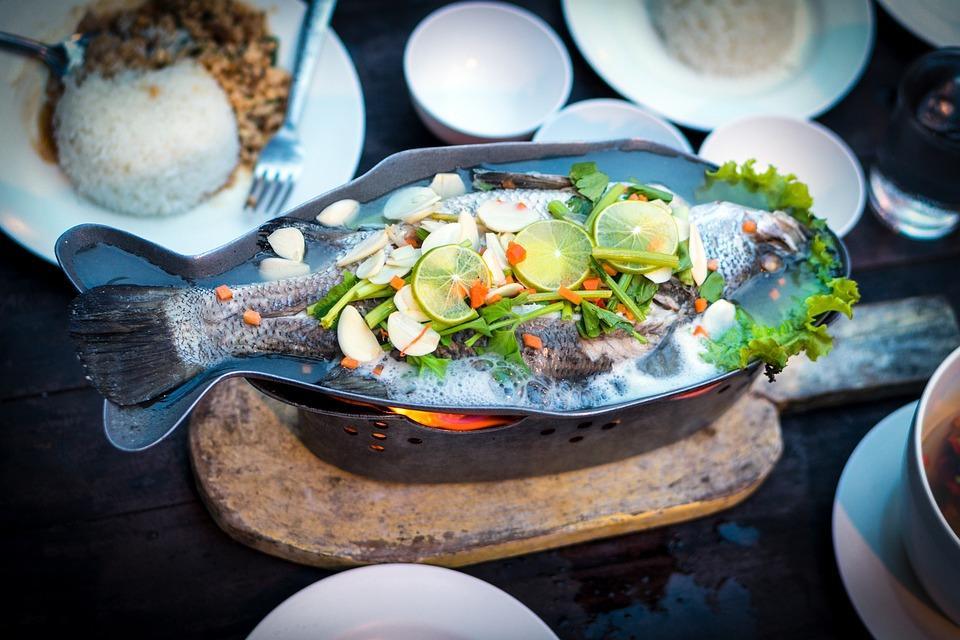
The Prep: Opt for trout, which is known for its delicate flavor. Gather ingredients like quinoa, broccoli, and a drizzle of sesame oil to create a wholesome evening meal.
The Action: Cook quinoa according to package instructions. Steam broccoli until tender. In a separate pan, heat sesame oil and sear the trout for about 4 minutes on each side until cooked. Serve alongside quinoa and broccoli.
The Feeling: This meal offers a comforting sensation, perfect for winding down. The flavors meld beautifully, and the omega-3s promote relaxation. Expect to feel satisfied and ready for a restful night.
Pro Tip: Incorporate a calming herbal tea post-meal for enhanced relaxation.
Avoiding Common Pitfalls in Nutrition
Choosing Low-Quality Fish
Many consumers overlook the quality of fish they purchase. Low-quality fish often contain harmful contaminants such as mercury and PCBs. These toxins can negate the health benefits associated with omega-3s and may even exacerbate inflammation.
To combat this, always opt for wild-caught or sustainably sourced fish. Research brands and read labels to ensure that the fish is tested for contaminants. Quality matters greatly in maximizing the anti-inflammatory effects of omega-3s.
Neglecting Cooking Methods
How fish is prepared can significantly impact its health benefits. Frying fish in unhealthy oils can introduce trans fats, which promote inflammation. Many people also overcook fish, leading to nutrient loss.
Focus on healthier cooking methods such as baking, grilling, or steaming. These methods preserve the omega-3 content while enhancing flavor. Cooking fish to the right temperature ensures that nutrients remain intact.
Ignoring Complementary Foods
Some individuals may consume omega-3-rich fish but neglect other parts of their diet. A balanced approach is vital for reducing inflammation. Relying solely on fish without incorporating fruits, vegetables, and whole grains may not yield optimal results.
Strive for a balanced plate that includes a variety of anti-inflammatory foods. Foods rich in antioxidants, such as berries and leafy greens, can work synergistically with omega-3s to combat inflammation effectively.
The Mechanism Behind Omega-3s and Inflammation
Biologically, omega-3 fatty acids play a critical role in cellular functions. They help regulate the production of inflammatory molecules like prostaglandins and leukotrienes. By competing with omega-6 fatty acids, which promote inflammation, omega-3s can effectively dampen inflammatory responses in the body.
The key compound in omega-3s is EPA (eicosapentaenoic acid). EPA is particularly effective in reducing inflammation and has been shown to lower levels of C-reactive protein, a marker for inflammation in the body. This compound is crucial for maintaining cellular health and promoting overall well-being.
Numerous studies support the anti-inflammatory benefits of omega-3s. For comprehensive insights, refer to the research available on PubMed regarding omega-3 and inflammation. These studies highlight the significance of incorporating omega-3-rich foods into one’s diet for long-term health benefits.
Choosing the Right Product
- Potency: Ensure that the fish is high in omega-3 content, as potency directly influences health benefits. Look for species known for their omega-3 richness.
- Purity: Always check for third-party testing to validate that the fish is free from harmful contaminants. This ensures that you are consuming a safe and effective product.
- Form: Consider whether you prefer fresh, frozen, or canned fish. Each form has its advantages, but fresh options often retain more nutrients.
Benefits vs Risks
| The Benefits | Potential Downsides |
|---|---|
| Rich in omega-3 fatty acids that reduce inflammation. | Potential exposure to heavy metals in certain fish. |
| Supports heart health and cognitive function. | Allergic reactions in sensitive individuals. |
| Enhances joint health and mobility. | Possible gastrointestinal discomfort if consumed in excess. |
Habits for Enhanced Health
Incorporate regular physical activity into your routine. Exercise can complement the anti-inflammatory effects of omega-3s by improving circulation and reducing stress levels.
Mindful eating practices can also enhance the benefits of omega-3-rich fish. Focusing on portion sizes and savoring each bite can lead to greater satisfaction and improved digestion.
Who Should Avoid This?
- Individuals with specific fish allergies.
- People on blood-thinning medications should consult a healthcare provider.
- Those with certain health conditions affecting fat metabolism.
Common Questions
What types of fish are highest in omega-3s?
Fatty fish such as salmon, mackerel, sardines, and trout are among the richest sources of omega-3 fatty acids.
How often should I eat omega-3 rich fish?
It is recommended to consume omega-3 rich fish at least two times a week for optimal health benefits.
Can I take omega-3 supplements instead of eating fish?
While supplements can be beneficial, whole foods provide additional nutrients and should be included in a balanced diet.
Are there vegetarian sources of omega-3s?
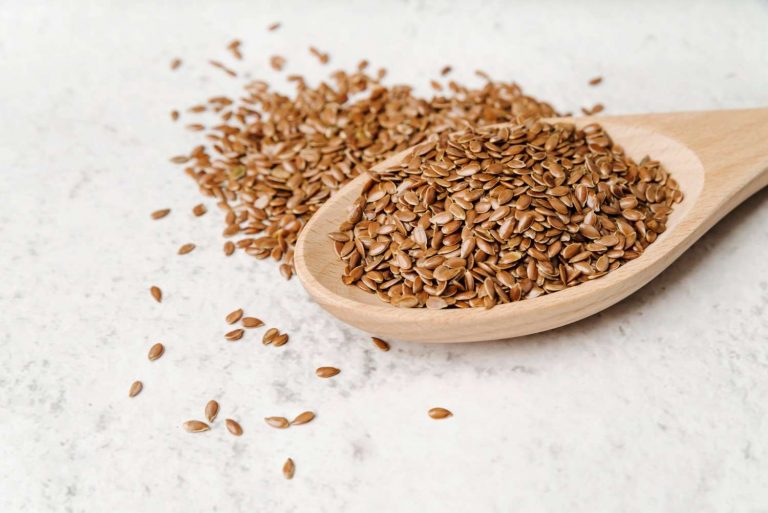
Vegetarian sources include flaxseeds, chia seeds, and walnuts, though they primarily contain ALA, a less potent form of omega-3.
The Bottom Line
Incorporating omega-3 rich fish into your diet can significantly reduce inflammation and improve overall health.
- The Truth: The effectiveness of omega-3s can vary based on individual health conditions.
- The Strategy: Regular consumption of high-quality fish is ideal for maximizing benefits.
- The Next Step: Consider adding a variety of anti-inflammatory foods to your meals for enhanced effects.
Get Your FREE Natural Health Guide!
Subscribe now and receive our exclusive ebook packed with natural health tips, practical wellness advice, and easy lifestyle changes, delivered straight to your inbox.