Supporting Gum Health with Turmeric Paste
Turmeric, a vibrant golden spice, holds a long history in traditional wellness practices. Its application extends beyond culinary uses into various aspects of general well-being. Many people are exploring its potential for everyday oral comfort.
Creating a turmeric paste for gum health represents a natural approach. This method involves combining the powdered spice with a suitable carrier to form a topical application. The aim is to support overall oral hygiene and a feeling of freshness.
Understanding the specific properties of turmeric allows for a more informed integration into a daily routine. This guide explores the foundational principles and practical aspects of using turmeric paste for maintaining oral comfort.
The Ancient Roots of Turmeric in Oral Care Discussions
The use of turmeric, or *Curcuma longa*, traces back thousands of years. It features prominently in Ayurvedic and traditional Chinese practices. These ancient systems often valued turmeric for its perceived ability to support general physiological balance.
Historically, people incorporated turmeric into various health routines. This included its application for localized comfort and as an ingredient in early forms of hygiene. These practices laid the groundwork for modern interest in its versatile applications.
In particular, some traditions recognized turmeric’s relevance for oral comfort. Early preparations sometimes involved direct application of the ground root or its extracts. This highlights a long-standing association with promoting a sense of well-being within the mouth.
- Botanical Origin: *Curcuma longa*, a rhizomatous herbaceous perennial plant.
- Traditional Systems: Ayurveda, Traditional Chinese Medicine.
- Historical Use: Culinary spice, traditional wellness practices, topical applications.
Understanding Traditional Applications
Many historical texts discuss using plant-based substances for mouth and gum care. These often aimed to maintain oral freshness. Turmeric’s inclusion in such regimens points to a deep cultural trust in its properties for promoting general oral comfort.
Key Compounds in Turmeric and Their Wellness Attributes
The primary active compounds in turmeric are known as curcuminoids. Among these, curcumin is the most widely recognized and extensively studied. These compounds are responsible for turmeric’s distinctive yellow color.
Curcuminoids are often discussed for their multifaceted support of the body’s natural response mechanisms. This property is why turmeric garners such interest in various wellness contexts. For oral health, this translates to a focus on maintaining gum comfort.
Beyond curcumin, turmeric contains other beneficial compounds. These include volatile oils and other phytonutrients. These elements collectively contribute to the spice’s overall profile, enhancing its general wellness attributes.
- Main Active Compound: Curcumin (a type of curcuminoid).
- Chemical Classification: Polyphenol.
- Key Attribute Discussed: Supporting the body’s natural comfort pathways.
Focusing on Curcuminoid Activity
Curcuminoids are generally understood to interact with various cellular pathways. These interactions are often associated with supporting normal physiological processes. This contributes to the overall interest in turmeric for general comfort and well-being.
Preparing Your Turmeric Paste for Gum Health
Crafting a simple turmeric paste is straightforward. The basic ingredients are powdered turmeric and a suitable carrier liquid. This allows for a gentle, natural application that people can integrate into their oral care routine.
The choice of carrier liquid influences the paste’s consistency and handling. Options such as water, coconut oil, or a small amount of aloe vera gel are common. Each offers slightly different attributes for the final preparation.
Ensuring the turmeric powder is pure and free from additives is important. A high-quality organic turmeric powder provides the best foundation. This purity supports the intended purpose of promoting oral comfort.
- Core Ingredient: Organic turmeric powder.
- Carrier Liquid Options: Water, virgin coconut oil, aloe vera gel.
- Desired Consistency: A thick paste that adheres well to gums.
Simple Paste Preparation
To make the paste, combine one part turmeric powder with roughly half a part of your chosen carrier liquid. Adjust the liquid gradually until a smooth, spreadable consistency is achieved.
Recommended Protocol for Applying Turmeric Paste
Applying the turmeric paste requires a gentle approach. The goal is to allow the compounds in the paste to interact with the gum tissue. This process should always feel comfortable and non-abrasive.
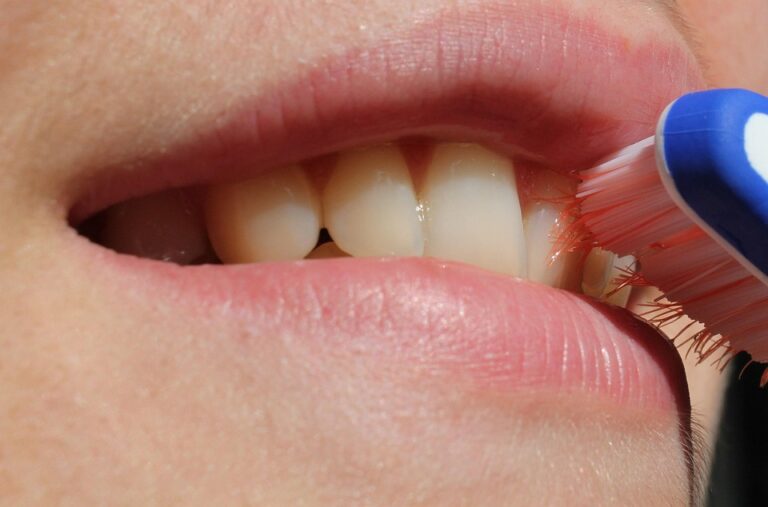
Many people find that using a clean fingertip or a soft, dedicated toothbrush works well. The paste should be applied directly to the gum line and any areas of specific concern. This ensures direct contact with the desired areas.
Allowing the paste to remain on the gums for a short period is often suggested. This duration can vary based on individual comfort. Following the application, rinsing the mouth thoroughly helps remove any residue.
- Application Tool: Clean fingertip or soft toothbrush.
- Target Area: Gum line and affected areas.
- Suggested Duration: 5 to 10 minutes, or as comfortable.
Gentle Application Method
Carefully apply a small amount of paste to the gums with a light, circular motion. Let it sit for the desired time before rinsing completely with lukewarm water.
Complementary Ingredients to Enhance Your Turmeric Paste
Adding other natural ingredients can sometimes further support oral wellness. Virgin coconut oil is a popular choice for its soothing properties and texture. It also helps with the paste’s consistency.
A pinch of sea salt can also be considered. Salt is often used in traditional oral rinses for its general cleansing actions. It can contribute to a refreshed feeling within the mouth.
Some people explore a drop of a mild, food-grade essential oil. Tea tree oil or peppermint oil are sometimes discussed for their aromatic properties. However, caution and proper dilution are essential with essential oils.
- Soothing Agent: Virgin coconut oil.
- Cleansing Aid: Fine sea salt.
- Aromatic Options: Food-grade tea tree oil (highly diluted), peppermint oil (highly diluted).
Incorporating Additional Components
If adding coconut oil, blend it thoroughly with the turmeric to create a smooth, emollient paste. For essential oils, add a single drop to the mixture and mix well, ensuring even distribution.
Addressing Common Considerations When Using Turmeric Paste
One primary consideration with turmeric is its strong staining potential. Turmeric can temporarily stain teeth, skin, and fabrics due to its intense natural pigment. This is a common and expected outcome.
Using an old toothbrush and wearing gloves can help minimize staining on hands. Rinsing thoroughly after use also helps reduce the impact on tooth surfaces. Some people choose to use the paste before their regular brushing routine.
It is always important to maintain realistic expectations regarding any natural approach. Turmeric paste is considered a complementary method for oral hygiene. It does not replace professional dental care.
- Staining Risk: Temporary yellow discoloration of teeth, skin, and fabrics.
- Mitigation: Use dedicated tools, rinse thoroughly, consider prior to brushing.
- Role: Complementary support, not a substitute for dental visits.
Important Safety Reminders
Always consult with a qualified healthcare professional or dentist for any persistent oral health concerns. This information is educational and not a substitute for medical advice. People with underlying conditions often work with a qualified healthcare professional for personalized guidance. Research from the National Institute of Dental and Craniofacial Research offers further insights into maintaining gum comfort.
Comparing Natural Oral Support Agents
Many natural ingredients are discussed for their role in supporting oral comfort. Understanding their general attributes can help in choosing the right approach for individual preferences. Here is a brief comparison of some commonly explored options.
| Natural Agent | Primary Characteristic | Common Application | Key Consideration |
|---|---|---|---|
| Turmeric | Supports natural comfort pathways | Topical paste for gums | Staining potential |
| Coconut Oil | Soothing and cleansing properties | Oil pulling, carrier in pastes | Consistency and flavor |
| Aloe Vera Gel | Hydrating and calming sensation | Added to pastes, direct application | Purity of product |
| Salt Water Rinse | General cleansing support | Oral rinse | Taste and frequency |
This table highlights distinct profiles for each agent. Each offers unique ways to contribute to oral well-being. The choice often comes down to personal preference and desired effects.
Frequently Asked Questions
Can turmeric paste replace my regular toothpaste?
Turmeric paste is generally not intended to replace regular fluoride toothpaste. It serves as a complementary natural approach. Most dental professionals recommend daily brushing with fluoride toothpaste and flossing for comprehensive oral hygiene.
How often should I use turmeric paste for gum comfort?
The frequency of use for turmeric paste often depends on individual comfort and preference. Some people choose to use it a few times a week, while others might use it daily. It is always wise to observe how your gums respond and adjust accordingly.
Will turmeric paste make my teeth yellow permanently?
While turmeric has a strong pigment that can temporarily stain teeth, this discoloration is generally superficial. Regular brushing with toothpaste, especially those with mild abrasive qualities, typically helps to remove any temporary staining over time. Consistent and thorough rinsing after use is also beneficial.
Is it safe to ingest turmeric paste used for gums?
A small amount of turmeric paste might be accidentally ingested during oral application and rinsing. Turmeric is a common food spice, and generally, small ingestions from oral care practices are not typically a concern for most individuals. However, the paste is formulated for topical oral use, not for dietary consumption in this form.
The Bottom Line
Exploring natural approaches like turmeric paste for gum health offers a way to support daily oral comfort. Its historical use and active compounds provide a compelling reason to consider its integration into a personal wellness regimen. Remember that consistent, gentle application, combined with diligent daily oral hygiene and professional dental care, forms the cornerstone of maintaining long-term oral well-being.
Consider incorporating turmeric paste into your routine as a supportive element for gum comfort.
Get Your FREE Natural Health Guide!
Subscribe now and receive our exclusive ebook packed with natural health tips, practical wellness advice, and easy lifestyle changes, delivered straight to your inbox.