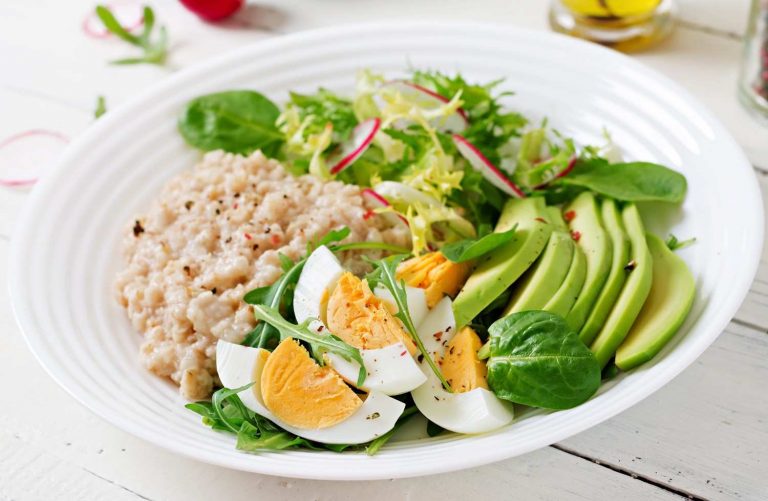

The challenge of breaking a fast on a ketogenic diet is often underestimated. Many individuals experience issues such as discomfort, bloating, or fatigue simply by not understanding how to reintroduce food after an extended period of abstinence. This can lead to feelings of frustration and confusion, particularly in those who are trying to maintain a state of ketosis. Knowing how to properly break a fast can make a significant difference in how you feel both physically and mentally.
It is essential to approach this process with mindfulness and a strategic plan. The right foods can help ease your body back into a state of nourishment without overwhelming your digestive system. This is especially important on a keto diet, where high-fat, low-carb foods are the cornerstone. The goal is to avoid disrupting your metabolic state while also ensuring that your body receives the nutrients it needs.
Understanding the timing and type of food to consume is crucial. The first meal after a fast should ideally be small and nutrient-dense. This approach helps in gradually reintroducing food, allowing your body to readjust without triggering an insulin response that could kick you out of ketosis. With the right knowledge and preparation, you can make this transition smoother and more enjoyable.
This guide aims to provide you with practical strategies and insights on how to effectively break a fast on a keto diet. By following these smart approaches, you can maximize the benefits of fasting while minimizing potential discomfort.
Contents
How to Use Smart Strategies for Effective Refeeding
- Best Form: Small, nutrient-dense meals
- Best Time: 30 to 60 minutes post-fast
- Expected Result: Smooth transition back to eating
Gentle Reintroduction with Bone Broth
The Prep: Begin with high-quality bone broth. Use either homemade broth or a reputable store-bought version that is low in sodium. Gather ingredients such as organic bones, water, and any optional herbs or spices like thyme or rosemary to enhance flavor.
The Action: Heat the broth gently on the stove. Allow it to simmer for about 10 to 15 minutes to release nutrients. Pour a small serving into a bowl and drink it slowly. This warm liquid is easy on the stomach and begins the process of rehydration.
The Feeling: As you sip the broth, you may notice a comforting warmth spreading through your body. The flavors can be soothing, and the sensation of hydration will gradually replace any initial hunger pangs. This feeling can last for about one hour, laying a gentle foundation for more solid food.
Pro Tip: Add a splash of apple cider vinegar to the broth for additional digestive support.
Incorporating Avocado for Healthy Fats
The Prep: Choose a ripe avocado. Ensure it is smooth and free from any blemishes. You might also want to prepare a sprinkle of sea salt or a squeeze of lemon to enhance the flavor.
The Action: Slice the avocado in half and remove the pit. Use a spoon to scoop out the flesh into a bowl. Mash it lightly and mix in your preferred seasoning. Consume half of the avocado slowly, allowing your body to adjust to the fat content.
The Feeling: The creamy texture of avocado will provide a satisfying mouthfeel. You may experience a sense of fullness and satisfaction as healthy fats are absorbed into your system. This sensation can last for several hours, providing sustained energy.
Pro Tip: Pair avocado with a small serving of smoked salmon for added protein and flavor.
Opting for Scrambled Eggs
The Prep: Gather two organic eggs and a small amount of grass-fed butter or coconut oil. Crack the eggs into a bowl and whisk them until well combined.
The Action: Heat a non-stick skillet over medium-low heat and add the butter or oil. Once melted, pour in the eggs. Stir gently until they are cooked through but still slightly soft. Serve them warm and consume them slowly.
The Feeling: The fluffy texture of scrambled eggs can be incredibly satisfying. As you eat, you may feel a gradual increase in energy levels without any sudden spikes. This meal can leave you feeling nourished and content for several hours.
Pro Tip: Sprinkle some fresh herbs like chives or parsley for added flavor and nutrients.
Avoiding Common Pitfalls
Overeating After the Fast
Breaking a fast can lead to the temptation of indulging in large quantities of food. This behavior can overwhelm your digestive system and lead to discomfort. It is essential to listen to your body’s hunger cues and start with smaller portions.
Instead of diving into a full meal, focus on reintroducing food gradually. Begin with liquids or easily digestible options. If you find yourself feeling overly hungry, it may be a sign to slow down. This approach helps maintain your metabolic state and prevents any adverse reactions.
The solution lies in portion control and mindfulness. Focus on the quality of food rather than quantity. This strategy will ensure a smoother transition and keep you in a state of ketosis.
Ignoring Hydration
Dehydration can be a common issue when breaking a fast. Many people forget to rehydrate properly, leading to feelings of fatigue and headaches. Water is crucial for digestion and overall well-being.
Ensure that you are drinking sufficient water before and after your first meal. This practice helps in the rehydration process and supports your metabolic activities. Consider adding electrolytes to your water to further assist in hydration.
To avoid this mistake, keep a water bottle handy and sip throughout the day. This habit not only promotes hydration but also aids in digestion as you reintroduce food.
Choosing the Wrong Foods
Not all foods are created equal when breaking a fast. Many may opt for high-carb or processed items, which can spike insulin levels and disrupt ketosis. This choice can lead to feelings of sluggishness and fatigue.
Instead, focus on whole, unprocessed foods that are low in carbohydrates and high in healthy fats. Foods like avocados, eggs, and bone broth are excellent choices. They provide essential nutrients without overwhelming your digestive system.
The key is to prioritize nutrient-dense foods that will support your body’s needs as you transition back to regular eating patterns.
Understanding the Biological Mechanism
When you fast, your body undergoes a series of metabolic adaptations. Initially, glycogen stores are depleted, leading to fat oxidation for energy. This process enhances ketone production, which serves as an alternative energy source. The transition from fasting to feeding should be handled delicately to maintain these metabolic benefits.
The body’s insulin response plays a pivotal role in this process. When you consume food, particularly carbohydrates, insulin levels rise. This hormone facilitates the uptake of glucose and fat into cells. However, a sudden spike in insulin can lead to fat storage and disrupt ketosis.
By choosing low-carb, high-fat options when breaking a fast, you can mitigate this response and maintain your metabolic state.
Research shows that a gradual reintroduction of food helps in stabilizing insulin levels and supports continued fat oxidation. For more detailed insights into the effects of fasting on metabolism, you can explore more on this PubMed resource.
Selecting the Right Foods for Refeeding
- Potency: Choose foods rich in nutrients to maximize health benefits. Nutrient-dense foods support overall well-being and metabolic function.
- Purity: Opt for organic and unprocessed options whenever possible. This choice reduces exposure to additives and chemicals that may disrupt digestion.
- Form: Consider the form of food you are consuming. Liquids or soft foods can be easier to digest after fasting, minimizing discomfort.
Evaluating the Trade-offs
| The Benefits | Potential Downsides |
|---|---|
| Supports gradual metabolic adaptation | Risk of digestive discomfort if overeaten |
| Enhances nutrient absorption | May require more time and planning |
| Helps maintain ketosis | Can feel restrictive for some individuals |
Incorporating Healthy Habits
Mindfulness is crucial. Taking a moment to appreciate your food can enhance the eating experience. Focusing on textures and flavors can help you feel satisfied with smaller portions.
Regular meal timing can also be beneficial. Establishing a consistent eating schedule helps regulate hunger cues and metabolic processes. This structure can aid in maintaining a ketogenic state while promoting overall health.
Who Should Avoid This?
– Individuals with a history of eating disorders
– Those with gastrointestinal issues
– Pregnant or breastfeeding women
– People on certain medications affecting metabolism
Common Questions
What is the best way to break a fast on keto?
Start with small, nutrient-dense meals like bone broth or avocado to ease your body back into eating.
How long should I wait to eat after a fast?
Aim for 30 to 60 minutes after breaking your fast before consuming solid food.
Can I eat carbs when breaking a fast on keto?
It is advisable to avoid high-carb foods to maintain ketosis and prevent insulin spikes.
What should I drink when breaking a fast?
Water or bone broth are excellent choices for hydration and gentle nourishment.
Final Thoughts
The process of breaking a fast on keto requires careful consideration and planning.
- The Truth: It can be challenging to find the right balance.
- The Strategy: Start with small, nutrient-dense meals.
- The Next Step: Focus on mindful eating habits.
Get Your FREE Natural Health Guide!
Subscribe now and receive our exclusive ebook packed with natural health tips, practical wellness advice, and easy lifestyle changes, delivered straight to your inbox.