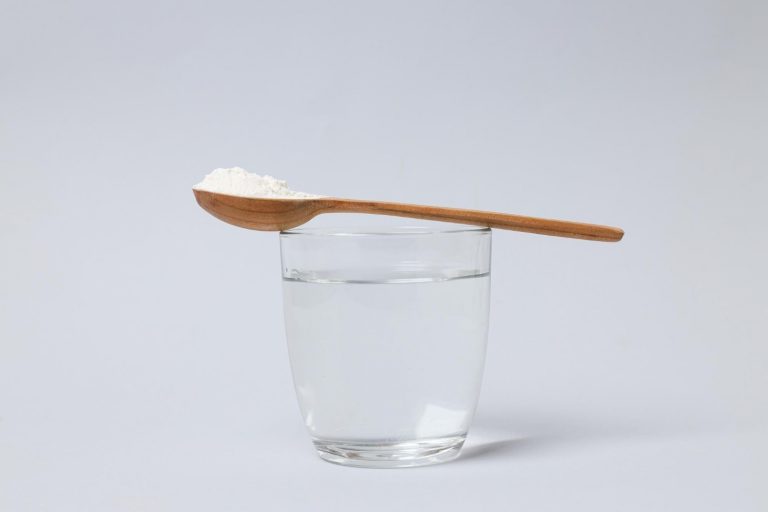

Baking soda has long been a staple in households, primarily known for its versatility in baking and cleaning. However, its potential to brighten smiles naturally has gained considerable attention. Many people grapple with stained teeth due to various factors such as diet, tobacco use, and aging. The quest for a brighter smile often leads to the use of harsh whitening treatments that can be expensive and damaging. Fortunately, a simple pantry ingredient offers a natural alternative that can be both effective and gentle on the teeth.
The effectiveness of baking soda as a whitening agent stems from its mildly abrasive nature. This property allows it to scrub away surface stains without harming the enamel. Additionally, baking soda is alkaline, which helps neutralize acids in the mouth, reducing the risk of cavities and promoting overall oral health. This dual action makes baking soda not only a whitening solution but also a valuable ally in maintaining oral hygiene.
As more individuals seek natural remedies for dental care, understanding how to properly utilize baking soda for teeth whitening becomes essential. The process involves more than just sprinkling some powder on your toothbrush. Proper techniques and timing can significantly enhance its effectiveness while minimizing potential risks.
In this guide, we’ll delve into the practical application, common mistakes, and the science behind baking soda as a natural teeth whitener. You’ll also learn how to choose the right product and discover lifestyle habits that can further enhance your oral health. Let’s explore how to achieve a brighter smile naturally and safely.
Contents
How to Use Baking Soda for Real Results
- Best Form: Powder or paste.
- Best Time: Twice a week.
- Expected Result: Noticeably whiter teeth.
For Daily Protection
The Prep: Gather baking soda and water. You will also need a toothbrush. A small bowl for mixing is helpful. Use a clean, dry surface to avoid contamination. If desired, add a few drops of peppermint oil for flavor and additional freshness.
The Action: In the bowl, mix one tablespoon of baking soda with enough water to form a paste. The paste should be thick enough to adhere to your toothbrush. Dip your toothbrush into the paste and gently brush your teeth for about two minutes. Make sure to cover all surfaces of your teeth. Rinse thoroughly with water afterward.
The Feeling: As you brush, you may feel a slight tingling sensation due to the abrasive action of the baking soda. This feeling is normal and usually lasts throughout the brushing process. Expect your mouth to feel fresh and clean afterward.
Pro Tip: For added benefits, use this method in the evening to combat stains that accumulate throughout the day.
For Spot Treatment
The Prep: You will need baking soda, a small dish, and a cotton swab or clean finger. This method is particularly effective for localized stains, such as those from coffee or wine.
The Action: Mix a small amount of baking soda with a few drops of water in the dish. The mixture should form a thick paste. Using the cotton swab or your finger, apply the paste directly to the stained area of your tooth. Leave it on for five minutes, then rinse thoroughly.
The Feeling: You may experience a mild cooling sensation as the baking soda interacts with your enamel. This will typically fade after rinsing, leaving your mouth feeling refreshed.
Pro Tip: Limit this spot treatment to once a week to avoid overuse, which could lead to enamel erosion.
The Weekend Refresh
The Prep: For a more intensive treatment, gather baking soda, water, and a toothbrush. You might also want to have a timer to ensure you brush for the recommended duration.
The Action: Combine two tablespoons of baking soda with enough water to create a thick paste. Brush your teeth thoroughly for three minutes, focusing on areas that tend to stain more easily. Rinse with water afterward.
The Feeling: You will likely notice a stronger tingling sensation due to the longer brushing time. This is a sign that the baking soda is working to remove stains. After rinsing, your teeth should feel smoother and look noticeably whiter.
Pro Tip: Follow this treatment with a fluoride mouthwash to help remineralize your enamel.
Avoiding Common Errors
Overusing Baking Soda
Many individuals mistakenly believe that more is better. Using baking soda too frequently can lead to enamel erosion, exposing the dentin underneath. This can result in increased sensitivity and a higher risk of cavities. To prevent this, limit the use of baking soda treatments to two or three times a week.
A balanced approach is key. Consider alternating baking soda treatments with traditional toothpaste to maintain oral health while achieving whitening goals. This ensures you still benefit from fluoride’s protective properties.
Neglecting to Rinse Thoroughly
Some people overlook the importance of rinsing after using baking soda. Failing to rinse can leave residue on your teeth, leading to a gritty feeling and potentially causing irritation to your gums. It’s crucial to rinse well with water after each treatment.
Incorporate a thorough rinsing step into your routine. Swish water in your mouth for at least 30 seconds to ensure all baking soda residue is removed, leaving your teeth clean and fresh.
Using Baking Soda with Acidic Ingredients
Combining baking soda with acidic substances like lemon juice can create a highly abrasive mixture. This can be detrimental to your enamel, leading to long-term damage. While acidic ingredients may seem appealing for whitening, they can create an imbalance in your oral environment.
Stick to neutral or slightly alkaline substances when using baking soda. If you want to enhance flavor, consider using natural extracts or oils that do not compromise your dental health.
The Science Behind the Bright Smile
Baking soda, or sodium bicarbonate, has unique properties that make it effective for whitening teeth. Its mild abrasiveness allows it to remove surface stains without damaging the enamel. The alkaline nature of baking soda helps neutralize acids produced by bacteria in the mouth, which can contribute to tooth decay.
The key compound in baking soda is sodium bicarbonate. This compound acts as a gentle abrasive, effectively polishing the surface of the teeth. It also has antibacterial properties, which can help reduce plaque buildup, contributing to overall oral health.
Clinical studies have shown that baking soda can effectively whiten teeth. According to research published in peer-reviewed journals, baking soda is a safe and effective alternative to commercial whitening products. For more details, you can refer to this PubMed search.
Choosing the Right Product
– **Potency:** Look for a product with a high concentration of baking soda. Higher potency typically translates to more effective whitening results.
– **Purity:** Ensure the baking soda is free from additives and fillers. Pure baking soda is more effective and safer for your teeth.
– **Form:** Baking soda is available in powder, paste, or tablet forms. Choose the form that best suits your application preferences for ease of use.
Pros & Cons of Natural Whitening
| The Benefits | Potential Downsides |
|---|---|
| Natural ingredients that are safe for most users. | Overuse can lead to enamel erosion. |
| Cost-effective compared to professional treatments. | Results may take longer to achieve. |
| Dual action of whitening and antibacterial properties. | May not be effective on all types of stains. |
Habits to Enhance Your Smile
Incorporating a balanced diet rich in fruits and vegetables can naturally enhance your oral health. Foods like apples and carrots can help scrub away surface stains while providing essential nutrients for your teeth and gums.
Staying hydrated is equally important. Drinking water not only helps wash away food particles but also aids in maintaining saliva production. Saliva is crucial for neutralizing acids in the mouth and promoting a healthy oral environment.
Who Should Avoid This?
– Individuals with sensitive teeth or gums.
– Those with existing dental work, such as crowns or veneers.
– People with certain medical conditions affecting oral health.
– Children under the age of twelve.
Common Questions
How often can I use baking soda on my teeth?
Using baking soda two to three times a week is generally safe and effective for whitening.
Can baking soda damage my enamel?
If used excessively, baking soda can lead to enamel erosion. Moderation is key.
Is baking soda safe for children?
Baking soda can be used for older children, but consult with a dentist for younger children.
What should I do if I experience sensitivity?
If you experience sensitivity, reduce the frequency of use and consult a dental professional.
The Bottom Line
Baking soda offers a natural and effective method for whitening teeth when used correctly.
- The Truth: Baking soda may not be as fast-acting as commercial products.
- The Strategy: Use it twice a week for optimal results.
- The Next Step: Consider incorporating a fluoride mouthwash into your routine.
Get Your FREE Natural Health Guide!
Subscribe now and receive our exclusive ebook packed with natural health tips, practical wellness advice, and easy lifestyle changes, delivered straight to your inbox.