
Coconut oil has emerged as a popular remedy for various hair concerns, often touted as a miracle solution for improving hair strength and shine. Many consumers are drawn to its natural origins and the plethora of anecdotal evidence supporting its benefits. However, the conversation around coconut oil is often muddled with myths that can mislead those seeking effective hair care solutions. Understanding the factual basis behind these claims is essential for anyone looking to enhance their hair health.
People frequently grapple with hair issues such as brittleness, split ends, and lack of luster. These problems can stem from a variety of factors, including environmental damage, chemical treatments, and poor nutrition. While coconut oil may offer some benefits, it is crucial to differentiate between the factual evidence and myths surrounding its use. This guide aims to clarify these aspects, allowing individuals to make informed decisions about incorporating coconut oil into their hair care routines.
The allure of coconut oil lies in its rich composition of fatty acids, vitamins, and antioxidants that are believed to nourish the scalp and hair. Yet, not all coconut oil products are created equal, and understanding how to choose and use them effectively is vital. This guide will explore practical applications, common mistakes, scientific backing, and more, providing a comprehensive resource for those interested in the potential of coconut oil for hair strength.
Equipped with accurate information and practical techniques, you can navigate the coconut oil landscape confidently. This guide is designed to empower you to take actionable steps toward healthier hair while debunking common myths that may hinder your progress.
Contents
How to Use Coconut Oil for Real Results
- Best Form: Extra virgin coconut oil
- Best Time: Before washing your hair
- Expected Result: Improved moisture retention and reduced breakage
For Daily Protection
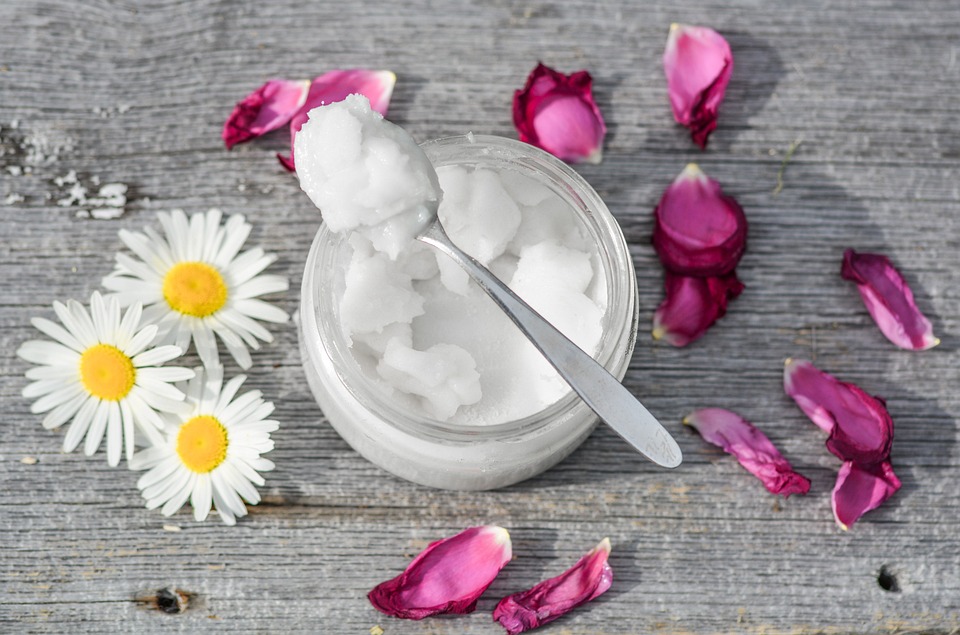
The Prep: Start with extra virgin coconut oil, which retains the most nutrients. Gather a small bowl and a spoon for scooping. If your coconut oil is solid, you may need to warm it slightly in your hands or in a bowl of warm water until it becomes liquid.
The Action: Take a teaspoon of coconut oil and rub it between your palms to warm it up. Apply it evenly to your hair, focusing on the ends to prevent split ends. Avoid the scalp if you have oily hair. Leave it on for at least 30 minutes before washing it out with a gentle shampoo.
The Feeling: As you apply the warm oil, you may experience a soothing sensation. The oil should glide smoothly over your hair, leaving it feeling soft and silky. After rinsing, your hair will feel nourished and less prone to breakage.
Pro Tip: Use coconut oil as a pre-styling treatment to protect your hair from heat damage.
For Deep Conditioning
The Prep: Gather extra virgin coconut oil, a shower cap, and a warm towel. You may also want to have a wide-tooth comb on hand to distribute the oil evenly.
The Action: Warm a generous amount of coconut oil in your hands and apply it generously to your hair, starting from the roots and working your way to the tips. Once your hair is fully coated, cover it with a shower cap. Wrap a warm towel around your head to help the oil penetrate deeper. Leave it on for at least one hour or overnight for maximum effect.
The Feeling: The warmth from the towel combined with the oil creates a comforting sensation that permeates your scalp. After rinsing, your hair will feel incredibly soft and hydrated, significantly reducing frizz.
Pro Tip: For added benefits, mix coconut oil with a few drops of essential oil like lavender or rosemary for a soothing aroma.
The Nighttime Routine
The Prep: Start with a clean scalp. You will need extra virgin coconut oil and a silk or satin pillowcase to minimize friction.
The Action: Apply a small amount of coconut oil to your fingertips and massage it into your scalp. Spread the remaining oil through your hair length. Braid your hair loosely or tie it up in a bun to prevent tangling while you sleep.
The Feeling: The massage will promote blood circulation, and the oil will provide a sense of relaxation. You will wake up to hair that feels moisturized and manageable.
Pro Tip: Always use a silk or satin pillowcase to reduce friction, which can lead to breakage.
Avoiding Common Mistakes
Using Low Quality Oils
Many individuals opt for cheaper coconut oil brands, believing that all coconut oils are the same. However, low-quality oils may undergo extensive processing, stripping them of beneficial nutrients. Such oils often contain additives that can irritate the scalp and hair.
Choosing high-quality extra virgin coconut oil is essential for maximizing benefits. Look for organic certifications and cold-pressed options to ensure that you are using a product that retains its natural properties and is free from harmful chemicals.
Overusing Coconut Oil
While coconut oil can be beneficial, using too much can lead to greasy hair and buildup. Some people mistakenly believe that more oil means better results. In reality, a small amount is often sufficient for conditioning and protection.
Start with a teaspoon and gradually increase if necessary. Pay attention to how your hair responds. If it becomes greasy, reduce the amount used. Finding the right balance is key to achieving optimal results without weighing your hair down.
Neglecting Hair Type
Coconut oil may not work for everyone. Those with fine or thin hair might find it too heavy, while individuals with thick or curly hair may benefit significantly. Ignoring your hair type can lead to disappointing results.
It is crucial to assess your hair’s texture and porosity. If coconut oil feels heavy on your hair, consider using it as a treatment rather than a daily product. Tailoring your approach based on your hair type will yield better results.
The Science Behind Coconut Oil
Coconut oil primarily consists of medium-chain triglycerides, particularly lauric acid. This type of fatty acid has a unique molecular structure that allows it to penetrate hair strands more effectively than other oils. This penetration can help reduce protein loss, which is a major contributor to hair weakness and breakage.
Lauric acid is known for its antimicrobial properties, which can benefit the scalp. A healthy scalp is essential for hair growth and overall hair health. By maintaining a clean and balanced scalp environment, coconut oil can support healthy hair follicles and promote growth.
Research supports the efficacy of coconut oil in improving hair health. A study published in the Journal of Cosmetic Science found that coconut oil significantly reduces protein loss in both damaged and undamaged hair. For more detailed insights, refer to the findings available at PubMed.
Selecting the Right Coconut Oil
- Potency: High-potency coconut oil retains more beneficial compounds, enhancing its effectiveness.
- Purity: Pure coconut oil is free from additives and chemicals, ensuring you receive the full benefits.
- Form: Liquid coconut oil is easier to apply, while solid forms may require warming for use.
Benefits vs Risks
| The Benefits | Potential Downsides |
|---|---|
| Improves moisture retention in hair | Can cause buildup if used excessively |
| Strengthens hair and reduces breakage | May not suit all hair types, especially fine hair |
| Offers antimicrobial properties for a healthy scalp | Can lead to greasiness if overapplied |
Integrating Healthy Habits
Incorporating a balanced diet rich in vitamins and minerals can complement the benefits of coconut oil. Nutrients like biotin, vitamin E, and omega fatty acids are essential for hair health. Foods such as nuts, seeds, and leafy greens can provide these nutrients.
Staying hydrated is equally important. Adequate water intake helps maintain moisture levels in your hair. When combined with coconut oil treatments, these habits create a synergistic effect, leading to improved hair strength and health.
Who Should Avoid This?
- Individuals with oily hair may find coconut oil too heavy.
- Those with specific allergies to coconut or related products should avoid coconut oil.
- People with scalp conditions such as seborrheic dermatitis or fungal infections should consult a healthcare provider before use.
Common Questions
Can coconut oil help with dandruff?
Coconut oil’s antimicrobial properties may help reduce dandruff by maintaining a healthy scalp environment. Regular application can soothe irritation and dryness.
Is coconut oil suitable for all hair types?
While many people benefit from coconut oil, those with fine or thin hair may find it too heavy. It is best to assess individual hair type and adjust usage accordingly.
How often should I use coconut oil on my hair?
Using coconut oil once a week as a deep conditioning treatment is generally effective. Adjust frequency based on your hair’s response.
Can I mix coconut oil with other oils?
Yes, combining coconut oil with other beneficial oils like argan or jojoba can enhance its effects. Just ensure that the mixture suits your hair type.
The Bottom Line
Coconut oil can be a valuable addition to your hair care routine when used correctly.
- The Truth: Coconut oil may not work for everyone and can be heavy for fine hair.
- The Strategy: Use it as a pre-treatment or deep conditioner for optimal results.
- The Next Step: Incorporate a balanced diet rich in hair-healthy nutrients for comprehensive care.
Get Your FREE Natural Health Guide!
Subscribe now and receive our exclusive ebook packed with natural health tips, practical wellness advice, and easy lifestyle changes, delivered straight to your inbox.