Many individuals struggle with weight management and energy fluctuations, often leading to frustration and a sense of defeat. Traditional dieting methods can feel overly restrictive and unsustainable, causing a cycle of yo-yo dieting. A common solution that is gaining traction is intermittent fasting, which allows for periods of eating and fasting that can support metabolic health. When combined with a ketogenic diet, intermittent fasting can enhance the body’s ability to enter and maintain a state of ketosis, where fat becomes the primary energy source.


Intermittent fasting can help reduce insulin levels, which encourages the body to burn stored fat for fuel. This is particularly beneficial for those seeking to lose weight or improve their metabolic health. However, successfully integrating intermittent fasting into a ketogenic lifestyle requires knowledge and strategy to maximize its benefits. With the right approach, individuals can experience improved energy levels, mental clarity, and weight loss.
This guide will explore practical tips and techniques to effectively incorporate intermittent fasting into your ketogenic journey. Understanding the nuances of timing, food choices, and hydration will empower you to optimize your results. Whether you are a beginner or have experience with fasting and keto, these insights can enhance your overall wellness.
Delving into the specifics of intermittent fasting can provide the clarity needed to navigate common challenges. By establishing a solid foundation, you can create a sustainable path toward achieving your health goals while enjoying the process.
Contents
How to Use Intermittent Fasting for Real Results
- Best Form: 16/8 fasting schedule
- Best Time: 12 PM to 8 PM eating window
- Expected Result: Enhanced fat burning and improved ketosis
For Daily Energy Boost
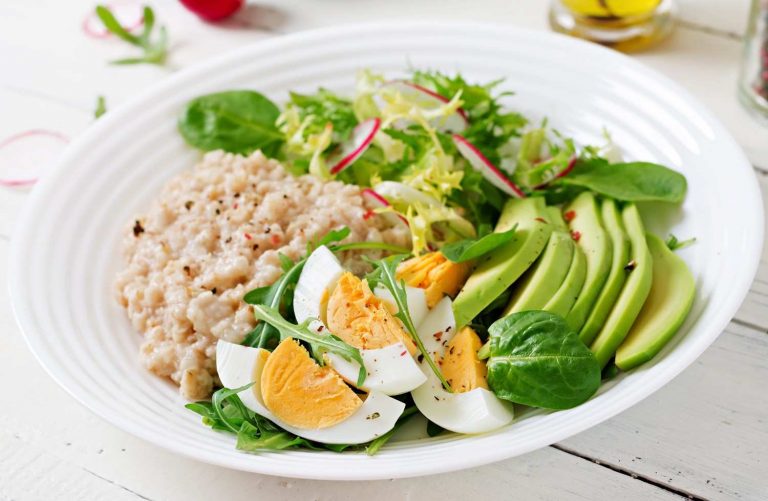
The Prep: Begin with a nutrient-dense breakfast that includes healthy fats and moderate protein. Avocado, eggs, and spinach make an excellent combination. Prepare your meals in advance to avoid temptations during your fasting window.
The Action: Start your fast after dinner, typically around 8 PM, and refrain from eating until noon the next day. During the fasting period, drink plenty of water and herbal teas to stay hydrated. If needed, black coffee can also be consumed, as it has minimal calories.
The Feeling: As your body adapts to fasting, you may experience increased mental clarity and energy. Initially, hunger pangs might occur, but they often subside after the first few days. Expect to feel lighter and more focused during your eating window.
Pro Tip: Keep a journal of your energy levels and hunger cues to fine-tune your fasting schedule.
For Weight Loss Support
The Prep: Focus on low-carb, high-fat meals during your eating window. Prepare dishes like grilled chicken with a side of cauliflower rice and olive oil. Meal prepping can help you stick to your plan and avoid unhealthy choices.
The Action: Stick to your 16-hour fasting window. During the eight-hour eating window, consume two to three balanced meals. Ensure that your meals are rich in healthy fats, which will help you feel satiated and support your ketogenic goals.
The Feeling: As your body shifts into ketosis, you may notice a decrease in cravings and a more stable energy level. This can lead to more effective weight loss and improved mood. The feeling of fullness will last longer due to the higher fat content of your meals.
Pro Tip: Consider incorporating strength training into your routine during your eating window to maximize fat loss and muscle retention.
The Weekend Reset
The Prep: Plan for a hearty brunch that combines protein and healthy fats. An omelet filled with cheese, vegetables, and avocado can serve as a delicious start to your eating window.
The Action: Choose to fast for a longer period over the weekend, such as 20 hours. Break your fast with a nutrient-dense meal to help replenish your body. Focus on whole foods and avoid processed snacks.
The Feeling: After a longer fast, you may experience a heightened sense of well-being and clarity. You might also notice enhanced fat-burning effects as your body adjusts to the extended fasting periods. This can lead to a refreshing reset for the week ahead.
Pro Tip: Use weekends to experiment with different meal combinations to keep your diet interesting.
Common Pitfalls to Avoid
Overeating During Eating Windows
One significant mistake is consuming excessive calories during the eating window. This can counteract the benefits of fasting and hinder weight loss. Focus on quality rather than quantity, emphasizing nutrient-dense foods that support ketosis.
To overcome this, plan your meals in advance. Use a food diary to track your intake and ensure you are consuming the appropriate amount of calories for your goals. Listening to your body’s hunger cues will help you avoid overeating.
Neglecting Hydration
Many people forget to hydrate properly during fasting periods. Dehydration can lead to fatigue, headaches, and decreased cognitive function. Water is essential for overall health and can also help curb hunger.
Make it a habit to drink water regularly throughout the day. Herbal teas and electrolytes can also be beneficial. Aim for at least half your body weight in ounces of water daily to stay adequately hydrated.
Inconsistent Fasting Schedule
Failing to maintain a consistent fasting schedule can disrupt your body’s natural rhythms. Inconsistency can lead to confusion regarding hunger signals and reduce the effectiveness of your fasting efforts.
Establish a regular fasting schedule that fits your lifestyle. Stick to it as closely as possible to help your body adapt. Over time, your body will become accustomed to the routine, making it easier to maintain.
The Mechanisms Behind Ketosis and Fasting
Intermittent fasting works on a biological level by lowering insulin levels and increasing levels of human growth hormone. This hormonal shift encourages fat breakdown and enhances the body’s ability to enter ketosis. When fasting, glycogen stores become depleted, prompting the liver to produce ketones from fatty acids, which the body then uses for energy.
Key compounds, such as ketones, are crucial for energy production during ketosis. These compounds not only fuel the brain but also have been shown to possess neuroprotective properties. This means that as you enter ketosis, your brain may operate more efficiently, leading to improved cognitive function.
Research indicates that intermittent fasting can significantly enhance the effects of a ketogenic diet. A study published in the PubMed database highlighted the metabolic benefits of combining fasting with low carbohydrate intake. This synergy can lead to more effective weight loss and improved metabolic health.
Choosing the Right Approach
- Potency: Ensure that the foods you consume are high in healthy fats and low in carbohydrates. This will help you enter and maintain ketosis.
- Purity: Opt for whole, unprocessed foods. Avoid additives and preservatives that can disrupt your metabolic state.
- Form: Consider the meal form that works best for you, whether it’s whole foods or supplements. The right form can enhance your adherence to the diet.
Benefits vs Risks
| The Benefits | Potential Downsides |
|---|---|
| Promotes fat loss and weight management | May cause initial fatigue or irritability |
| Improves insulin sensitivity | Not suitable for everyone, especially those with certain health conditions |
| Enhances focus and mental clarity | Requires commitment to a structured eating schedule |
Habits to Enhance Your Journey
Incorporating regular physical activity into your routine can significantly boost your results. Aim for a mix of cardiovascular and strength training exercises to maximize fat loss while preserving muscle mass.
Mindfulness practices, such as meditation or yoga, can also enhance your fasting experience. These practices help reduce stress, which can otherwise lead to emotional eating and disrupt your fasting efforts.
Who Should Avoid This?
- Individuals with a history of eating disorders
- Those with diabetes or blood sugar management issues
- Pregnant or breastfeeding women
- People with certain medical conditions or on specific medications
Common Questions
What is the best time to start fasting?
Starting your fast after dinner can be optimal. This allows for a natural overnight fasting period.
Can I drink coffee during fasting?
Yes, black coffee is generally acceptable during fasting periods as it contains minimal calories.
How long does it take to enter ketosis?
This varies by individual but can take anywhere from a few days to a week, depending on dietary choices and activity levels.
Is intermittent fasting safe for everyone?
No, it may not be suitable for individuals with certain health conditions. Consulting a healthcare provider is advisable.
The Bottom Line
Intermittent fasting can significantly support your ketogenic journey when applied correctly.
- The Truth: It may take time to adapt to fasting and ketosis.
- The Strategy: A consistent 16/8 fasting schedule can yield positive results.
- The Next Step: Experiment with meal timing and composition to find what works best for you.
Get Your FREE Natural Health Guide!
Subscribe now and receive our exclusive ebook packed with natural health tips, practical wellness advice, and easy lifestyle changes, delivered straight to your inbox.