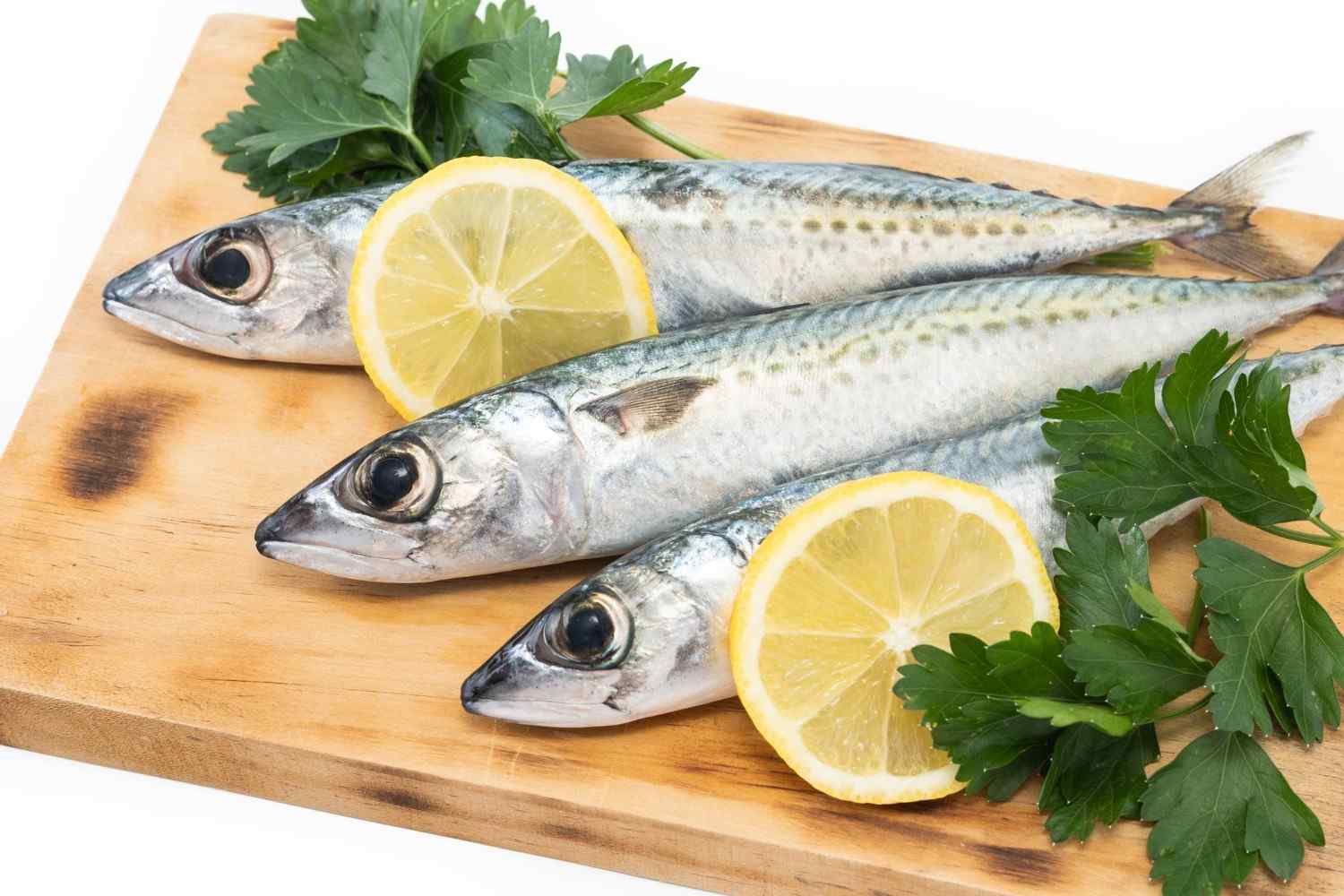

Mackerel is a fish that has gained significant attention for its potential health benefits, particularly in combating inflammation and pain. As individuals increasingly seek natural remedies to manage chronic conditions, understanding the nutritional profile of this oily fish becomes essential. Chronic inflammation is linked to various health issues, including arthritis, heart disease, and even certain cancers. The quest for effective solutions often leads to dietary changes, and mackerel emerges as a powerful ally.
The unique composition of mackerel offers a rich source of omega-3 fatty acids, which are known for their anti-inflammatory properties. These essential fats play a crucial role in cellular health and can significantly impact the body’s inflammatory response. Incorporating mackerel into your diet may not only satiate your taste buds but also provide a robust defense against the discomfort associated with inflammation and pain.
Cooking methods also influence the health benefits of mackerel. Whether grilled, baked, or smoked, the way you prepare this fish can enhance its nutritional advantages. By understanding how to properly incorporate mackerel into meals, individuals can maximize its health benefits while enjoying its rich flavor.
Transitioning to a diet that includes mackerel may seem daunting for some. However, with simple recipes and practical applications, adding this fish to your meals can become an enjoyable and health-promoting experience.
Contents
How to Use Mackerel for Real Results
- Best Form: Fresh or canned mackerel
- Best Time: Lunch or dinner
- Expected Result: Reduced inflammation and pain
For Daily Protection
The Prep: Gather fresh mackerel fillets, olive oil, lemon juice, garlic, and fresh herbs such as parsley or dill. Ensure you have a grill or a baking tray ready for cooking.
The Action: Preheat your grill or oven to medium-high. Rub the mackerel fillets with olive oil, minced garlic, and a squeeze of lemon juice. Season with salt and pepper. Grill for about six to eight minutes on each side or bake for 15 to 20 minutes until the fish is flaky and cooked through.
The Feeling: Enjoy the rich, buttery flavor of the mackerel, complemented by the zesty lemon and aromatic herbs. The sensation of fullness will last for several hours, keeping hunger at bay while providing your body with essential nutrients.
Pro Tip: Pair with a side of leafy greens to enhance the anti-inflammatory effects.
Targeting Acute Pain
The Prep: For a quick remedy, gather canned mackerel, whole grain bread, avocado, and chili flakes.
The Action: Open the canned mackerel and drain excess liquid. Mash half an avocado and spread it on a slice of whole grain bread. Top with the mackerel and sprinkle chili flakes for added flavor.
The Feeling: This dish provides a creamy texture from the avocado, balanced with the savory taste of the mackerel. The combination will leave you feeling satisfied while delivering anti-inflammatory benefits.
Pro Tip: Consider adding leafy greens for extra fiber and nutrients.
The Nighttime Routine
The Prep: Prepare mackerel fillets, olive oil, and a selection of vegetables such as bell peppers and zucchini.
The Action: Heat olive oil in a skillet. Add chopped vegetables and sauté until tender. Add the mackerel fillets to the skillet and cook for about six minutes on each side until golden brown.
The Feeling: The dish will create a warm, comforting sensation, perfect for winding down. The combination of omega-3s and fiber-rich vegetables will promote a restful night.
Pro Tip: Serve with a herbal tea to enhance relaxation.
Avoiding Common Mistakes with Mackerel
Using Low-Quality Fish
Selecting low-quality mackerel can diminish its health benefits. Fish that is not fresh or poorly sourced may contain higher levels of contaminants. This can negate the positive effects that omega-3 fatty acids provide.
Opt for high-quality, sustainably sourced mackerel. Look for certifications that indicate responsible fishing practices. Fresh fish should have a clean smell and firm texture.
Neglecting Preparation Methods
Improper cooking methods can lead to a loss of beneficial nutrients. Overcooking mackerel can reduce its omega-3 content and alter its taste.
Use gentle cooking methods such as grilling or baking at moderate temperatures. This preserves the fish’s nutritional profile while enhancing its flavor.
Ignoring Portion Sizes
Overindulgence can lead to excessive calorie intake, even with healthy foods. Consuming too much mackerel can result in an imbalance of nutrients.
Stick to recommended serving sizes, typically around three to four ounces. This ensures you can enjoy the benefits without overloading your diet.
The Biological Mechanism of Mackerel
Mackerel’s anti-inflammatory properties primarily stem from its high content of omega-3 fatty acids, particularly EPA and DHA. These compounds play a crucial role in modulating inflammation by influencing the production of inflammatory mediators in the body.
The key compound found in mackerel is docosahexaenoic acid (DHA), which supports cellular membrane integrity and function. DHA is vital for brain health and has been shown to reduce inflammation in various studies.
Research indicates the effectiveness of omega-3 fatty acids in reducing inflammation. A study published on PubMed shows that regular consumption of omega-3-rich foods like mackerel can lead to significant decreases in inflammatory markers. For more details, visit this link.
Choosing the Right Product
- Potency: Higher omega-3 content is essential for maximum benefits. Potent sources ensure you receive enough anti-inflammatory effects.
- Purity: Look for products tested for contaminants. This is crucial for avoiding harmful substances that can negate health benefits.
- Form: Fresh or canned options both have benefits. Choose based on your convenience and preference to ensure regular consumption.
Pros and Cons
| The Benefits | Potential Downsides |
|---|---|
| Rich in omega-3 fatty acids | May contain contaminants if not sourced properly |
| Supports heart and brain health | Some people may have allergies to fish |
| Easy to prepare and versatile | Overconsumption can lead to excessive calorie intake |
Habits to Enhance Benefits
Adopting a balanced diet that includes a variety of anti-inflammatory foods can amplify the benefits of mackerel. Incorporating fruits, vegetables, and whole grains alongside mackerel can create a comprehensive approach to managing inflammation.
Regular physical activity complements dietary changes. Engaging in moderate exercise can enhance overall well-being and further reduce inflammation in the body.
Who Should Avoid This?
– Individuals with fish allergies
– Those on specific anticoagulant medications
– Pregnant women should limit intake due to mercury concerns
Common Questions
How often should I eat mackerel for health benefits?
Aim for at least two servings per week to reap the anti-inflammatory benefits.
Can I eat canned mackerel?
Yes, canned mackerel is a convenient and nutritious option. Ensure it is packed in water or olive oil for healthier choices.
Is there a difference between fresh and canned mackerel?
Fresh mackerel typically contains higher omega-3 levels, while canned options are still beneficial and convenient.
What are the signs of fresh mackerel?
Fresh mackerel should have a clean smell, firm texture, and vibrant color without any off-putting odors.
The Bottom Line
Mackerel is a nutritious fish that can effectively combat inflammation and pain when included in a balanced diet.
- The Truth: While mackerel offers numerous benefits, it should be part of a varied diet for optimal health.
- The Strategy: Incorporate mackerel into meals at least twice a week for sustained benefits.
- The Next Step: Consider pairing mackerel with other anti-inflammatory foods for enhanced effects.
Get Your FREE Natural Health Guide!
Subscribe now and receive our exclusive ebook packed with natural health tips, practical wellness advice, and easy lifestyle changes, delivered straight to your inbox.