
Fresh turmeric root tea stands out as a remarkable natural remedy for inflammation. Many individuals suffer from chronic inflammation, a condition linked to various health issues such as arthritis, heart disease, and even certain cancers. Managing inflammation often involves a combination of diet, lifestyle changes, and sometimes medication. Yet, many are turning to natural solutions that can provide relief without the side effects associated with pharmaceutical options.


Turmeric, especially in its fresh root form, offers potent anti-inflammatory properties. This golden root contains curcumin, a compound celebrated for its ability to combat inflammation at a cellular level. As interest in holistic health grows, incorporating fresh turmeric root tea into daily routines presents an accessible and delicious way to harness its benefits.
Preparing this soothing brew is straightforward, requiring minimal ingredients while delivering maximum health benefits. The vibrant flavor and aroma of fresh turmeric make it not only beneficial but also a delightful addition to your wellness toolkit. Whether you are looking to alleviate discomfort or simply enhance your overall health, fresh turmeric root tea can serve as a powerful ally.
Understanding how to effectively incorporate this tea into your life can significantly impact your health journey. The following guide delves into practical applications, scientific backing, common mistakes, and essential tips for making the most of this golden beverage.
Contents
How to Use Fresh Turmeric Root Tea for Real Results
- Best Form: Fresh turmeric root
- Best Time: Morning or early afternoon
- Expected Result: Reduced inflammation and enhanced well-being
For Daily Protection
The Prep involves gathering fresh turmeric root, water, and optional ingredients like ginger or lemon for added flavor. Start with about one to two inches of fresh turmeric root, which can be peeled or scrubbed clean. You can also include a small piece of fresh ginger for additional anti-inflammatory benefits.
The Action begins by finely grating or slicing the turmeric. Place this into a pot with four cups of water. Bring the mixture to a boil, then reduce to a simmer for about 10 to 15 minutes. Strain the tea into a cup, adding lemon or honey if desired.
The Feeling is often described as warm and soothing. A noticeable tingling sensation may spread through your body as you sip. This can last for about an hour, making you feel energized yet relaxed.
Pro Tip: For an enhanced flavor profile, try adding a pinch of black pepper. This can help improve curcumin absorption.
Targeting Acute Pain
The Prep requires fresh turmeric root, honey, and a pinch of black pepper. Use about one inch of turmeric root, which should be grated to maximize surface area and extraction of nutrients.
The Action involves boiling two cups of water with the grated turmeric for about 20 minutes. Afterward, strain the mixture into a cup and stir in a teaspoon of honey for sweetness. The black pepper can be added at this stage to boost bioavailability.
The Feeling can be quite immediate, often providing relief from discomfort within 30 minutes. The warmth of the tea can create a soothing sensation that helps to ease tight or inflamed muscles.
Pro Tip: Consider sipping this tea during flare-ups for maximum relief.
The Nighttime Routine
The Prep includes fresh turmeric root, almond milk, and a dash of cinnamon. Use about one inch of the root, which should be finely grated.
The Action starts by simmering two cups of almond milk with the grated turmeric and cinnamon over low heat for about 10 minutes. Stir continuously to prevent sticking. Afterward, strain the mixture into a mug, allowing it to cool slightly before drinking.
The Feeling is calming and can help you unwind before sleep. The combination of turmeric and warm almond milk creates a cozy sensation, promoting relaxation that can last throughout the night.
Pro Tip: Add a touch of honey for sweetness, which can also help further enhance relaxation.
Avoiding Common Errors
Using Low Quality Herbs
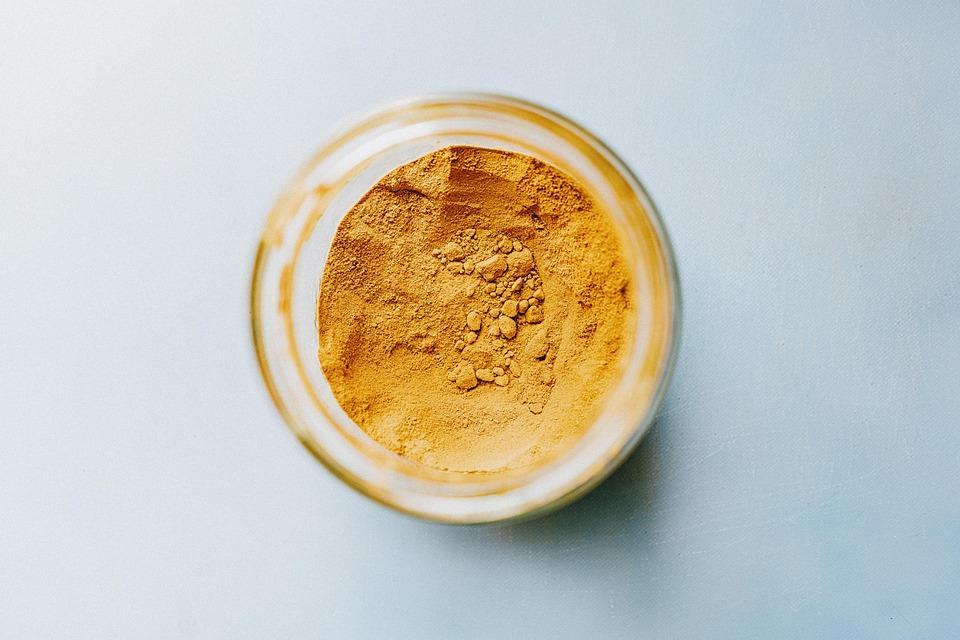
Using low-quality turmeric can significantly diminish the health benefits. Many commercially available turmeric powders have undergone extensive processing, often stripping them of essential nutrients. When sourcing turmeric, look for fresh roots or high-quality organic powders to ensure maximum efficacy.
To improve your experience, always opt for organic sources. This ensures that the turmeric is free from harmful pesticides and chemicals, which can compromise its health benefits. Investing in quality ingredients pays off in both flavor and health outcomes.
Neglecting to Pair with Black Pepper
Failing to include black pepper when consuming turmeric is a common mistake. Black pepper contains piperine, a compound that enhances curcumin absorption by up to 2000 percent. Without it, your body may not fully utilize the anti-inflammatory properties of turmeric.
To correct this, always incorporate a pinch of black pepper into your tea or any turmeric-based dish. This simple addition can significantly improve the effectiveness of the turmeric you consume, maximizing its health benefits.
Ignoring Preparation Methods
Many individuals overlook the importance of preparation methods. For instance, boiling turmeric root helps to release its beneficial compounds, while simply adding it to cold water won’t yield the same results.
To ensure you are reaping the benefits, always prepare turmeric in hot water or milk. This activates its properties and allows for better absorption in the body. Understanding how to properly prepare turmeric can make a significant difference in its effectiveness as a healing agent.
The Science Behind Turmeric’s Benefits
Turmeric’s anti-inflammatory effects are primarily attributed to its active compound, curcumin. This compound influences several molecular pathways involved in inflammation. Curcumin inhibits the activity of pro-inflammatory molecules, effectively reducing the inflammatory response.
Curcumin serves as a powerful antioxidant, combating oxidative stress that can lead to chronic inflammation. By neutralizing free radicals, curcumin supports cellular health and reduces the risk of inflammation-related diseases.
Clinical research supports these claims, demonstrating turmeric’s efficacy in managing inflammation. A study published in the journal Frontiers in Pharmacology highlights curcumin’s ability to modulate inflammatory pathways. For more detailed studies, refer to this PubMed search.
Choosing the Right Product
– **Potency:** Ensure that the turmeric you choose has a high curcumin content. Higher potency means better anti-inflammatory effects.
– **Purity:** Look for products that are free from fillers and additives. Pure turmeric ensures you receive all its health benefits without harmful substances.
– **Form:** Fresh turmeric root provides the highest level of nutrients. If unavailable, high-quality organic powder is a suitable alternative.
Understanding the Trade-Offs
| The Benefits | Potential Downsides |
|---|---|
| Natural anti-inflammatory properties | Possible gastrointestinal discomfort in some individuals |
| Rich in antioxidants | May interact with certain medications |
| Supports overall health | Quality can vary widely among products |
Habits to Enhance Your Wellness
Integrating gentle movement, such as yoga or stretching, can enhance the benefits of turmeric tea. Movement helps to improve circulation, further aiding in the reduction of inflammation.
Mindfulness practices like meditation or deep breathing exercises can complement the soothing effects of turmeric tea. These practices can lower stress levels, which is crucial since stress is a known contributor to inflammation.
Who Should Avoid This?
– Individuals on blood-thinning medications
– Those with gallbladder issues or bile duct obstructions
– Pregnant or nursing women without consulting a healthcare provider
– People with allergies to ginger or other related spices
Common Questions
How often can I drink turmeric root tea?
Drinking turmeric tea daily is generally safe. However, moderation is key.
Can I use dried turmeric instead of fresh?
Yes, but fresh turmeric is more potent. If using dried, ensure it is of high quality.
Is turmeric tea safe for children?
While turmeric is generally safe, it’s best to consult a pediatrician before introducing it to children’s diets.
What are the side effects of turmeric?
Some individuals may experience gastrointestinal discomfort or allergic reactions. Always start with small amounts.
The Bottom Line
Fresh turmeric root tea offers a natural way to combat inflammation and improve overall health.
- The Truth: While turmeric is beneficial, it is not a substitute for medical treatment.
- The Strategy: Use it regularly in the morning or early afternoon for optimal effects.
- The Next Step: Consider pairing it with lifestyle changes like exercise and mindfulness for enhanced benefits.
Get Your FREE Natural Health Guide!
Subscribe now and receive our exclusive ebook packed with natural health tips, practical wellness advice, and easy lifestyle changes, delivered straight to your inbox.