
Sleep disturbances, particularly insomnia and anxiety, have become increasingly common in today’s fast-paced world. Many individuals struggle to find effective solutions that do not involve pharmaceuticals, which can lead to unwanted side effects. This search for natural remedies has led to a growing interest in dietary interventions that can promote better sleep quality. Among these, the kiwi fruit has emerged as a surprising yet effective option worth exploring.

Research indicates that certain foods can influence neurotransmitter levels in the brain, particularly serotonin, which plays a crucial role in regulating sleep. Kiwi fruit, rich in vitamins, antioxidants, and serotonin precursors, may offer a natural pathway to enhance sleep quality. Its unique combination of nutrients contributes to the overall well-being of the body and mind, making it a viable candidate for those seeking to improve their sleep without the use of medications.
The benefits of kiwi fruit extend beyond simply helping you fall asleep more easily. The fruit’s ability to improve the overall quality of sleep, reducing wakefulness during the night and enhancing sleep duration, makes it a valuable addition to your nighttime routine. Understanding how to effectively incorporate this fruit into your diet can empower you to take control of your sleep health.
In the following sections, we will delve into specific ways to utilize kiwi fruit for better sleep, the science behind its benefits, common mistakes to avoid, and practical tips for integrating it into your lifestyle. This comprehensive guide aims to provide actionable insights that can lead to improved sleep and overall wellness.
Contents
How to Use Kiwi Fruit for Real Results
- Best Form: Fresh kiwi fruit or kiwi smoothie.
- Best Time: 30 to 60 minutes before bedtime.
- Expected Result: Improved sleep onset and quality.
Incorporating Kiwi into Your Evening Snack
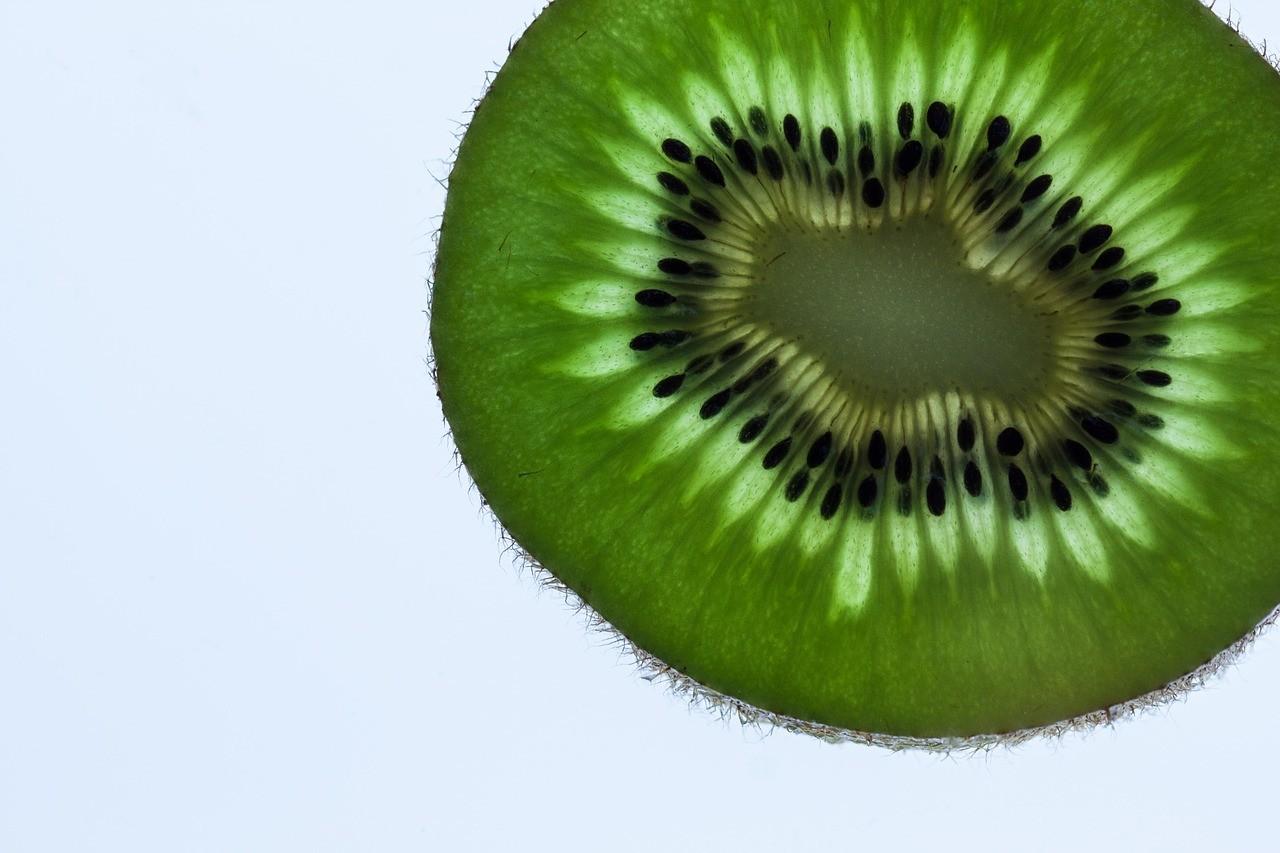
To make the most of kiwi’s sleep-enhancing properties, consider preparing a simple evening snack. Use ripe, fresh kiwi fruit, cutting them in half and scooping out the flesh with a spoon. This easy preparation allows you to enjoy the fruit’s natural sweetness and refreshing flavor.
Once you have your kiwi prepared, you can enhance the experience by pairing it with a small serving of Greek yogurt or a sprinkle of nuts. This combination provides additional protein and healthy fats, making it a satisfying snack. Consume this snack about 30 to 60 minutes before bed for optimal results.
As you eat, you may notice a pleasant sensation from the tartness of the kiwi, which can be both refreshing and calming. The natural sugars in the fruit can also help elevate serotonin levels, preparing your body for restful sleep. This routine can become a soothing ritual that signals to your body that it is time to wind down for the night.
Pro Tip: Experiment with different toppings like honey or cinnamon to enhance flavor while keeping it healthy.
Making a Kiwi Smoothie for Sleep
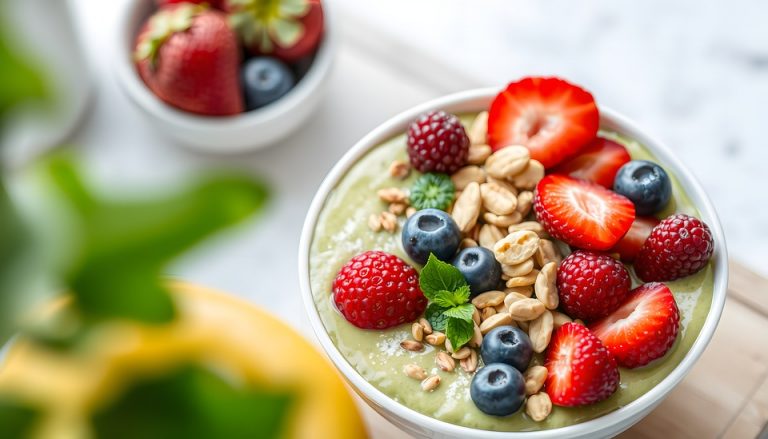
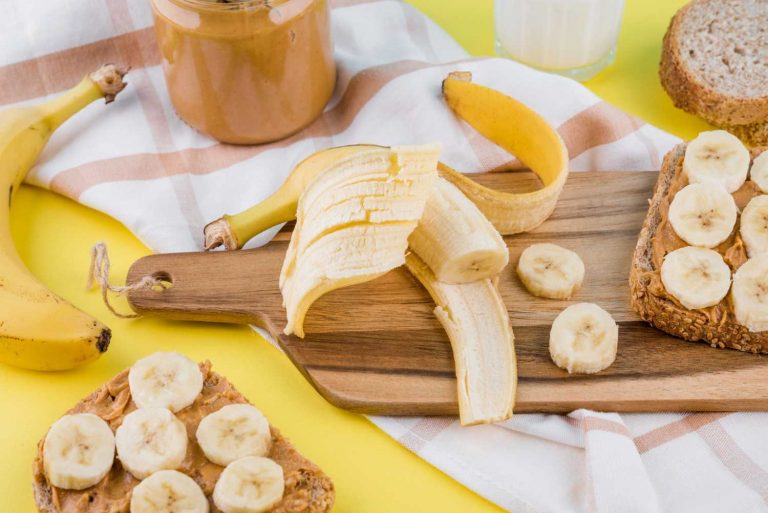
A kiwi smoothie can serve as a delicious and nutritious way to prepare your body for sleep. For this, gather fresh kiwi, a banana, a cup of spinach, and a splash of almond milk. The banana adds potassium, which can help relax muscles, while spinach contributes magnesium, known for its calming effects.
Blend these ingredients until smooth. The vibrant green color and creamy texture can be visually appealing, making it a delightful addition to your nightly routine. Consume this smoothie about an hour before you plan to sleep.
As you sip your smoothie, you may experience a wave of relaxation due to the nutrients working in tandem to promote sleep. The combination of kiwi and banana can create a sweet yet tangy flavor profile that is both satisfying and soothing. You may find that this drink helps you feel ready to unwind and prepare for a good night’s rest.
Pro Tip: Add a sprinkle of chia seeds for added fiber and omega-3 fatty acids.
Creating a Kiwi Infused Herbal Tea
For those who prefer a warm beverage before bedtime, consider making a kiwi-infused herbal tea. Start with a base of chamomile or valerian root tea, both known for their calming effects. Steep the tea according to package instructions, and then add fresh slices of kiwi to the cup.
Let the kiwi sit in the hot tea for a few minutes, allowing its flavors to meld with the herbal notes. This infusion can be a comforting way to wind down at the end of the day. Consume the tea about 30 minutes before bed to reap the benefits.
As you sip on this fragrant tea, the warmth can envelop you, promoting relaxation. The natural sweetness of the kiwi will enhance the flavor, making it a pleasant evening ritual. The calming effects of chamomile, combined with the kiwi’s nutrient profile, can help signal to your body that it is time to sleep.
Pro Tip: A dash of honey can enhance the flavor while adding additional calming properties.
Common Errors to Avoid When Using Kiwi for Sleep
Choosing Unripe or Low-Quality Kiwi
Selecting unripe or poor-quality kiwi can significantly diminish its sleep benefits. Unripe kiwi may lack the full spectrum of nutrients that enhance serotonin production. Additionally, low-quality fruit can have a bland flavor and unpleasant texture, making it less appealing.
To ensure you are choosing the best kiwi, look for fruit that is slightly soft to the touch, indicating ripeness. The skin should be free of blemishes and have a uniform color. This attention to detail will enhance your experience and maximize the fruit’s sleep-promoting properties.
Overconsumption Before Bedtime
While kiwi is beneficial, consuming too much right before bed may lead to digestive discomfort, which can interfere with sleep. The fiber content in kiwi, while healthy, can sometimes cause bloating or gas if consumed in excess.
To avoid this issue, limit your intake to one or two kiwis in your evening routine. This amount provides sufficient nutrients without overwhelming your digestive system, allowing you to enjoy the benefits without adverse effects.
Ignoring Dietary Pairings
Pairing kiwi with the right foods can amplify its benefits. Some individuals may consume kiwi alone without considering how it interacts with other foods. For instance, pairing kiwi with protein-rich foods can help stabilize blood sugar levels, promoting better sleep.
Incorporate kiwi into balanced snacks or meals that include healthy fats and proteins. This approach not only enhances the flavor but also supports overall sleep quality by ensuring stable energy levels throughout the night.
The Science Behind Kiwi’s Sleep Benefits
The biological mechanisms by which kiwi fruit enhances sleep involve its rich nutrient profile. Kiwi is a source of serotonin, a neurotransmitter that regulates sleep-wake cycles. Higher serotonin levels can lead to increased melatonin production, further promoting restful sleep.
Key compounds in kiwi, such as antioxidants, vitamins C and E, and folate, contribute to the fruit’s ability to support overall health. These nutrients help combat oxidative stress, which can negatively affect sleep quality. By reducing inflammation and promoting cellular health, kiwi may facilitate a more restorative sleep experience.
Clinical studies have demonstrated the sleep-enhancing effects of kiwi. A study published in the Journal of Clinical Sleep Medicine found that participants who consumed two kiwis one hour before bedtime experienced significant improvements in sleep quality and duration. For further reading on this research, visit PubMed.
Choosing the Right Kiwi Product
- Potency: Ensure the kiwi fruit is fresh and ripe to maximize its nutrient content. Fresh fruit contains higher levels of serotonin and antioxidants, essential for sleep enhancement.
- Purity: Opt for organic kiwi when possible to minimize exposure to pesticides and chemicals. Organic fruit tends to be richer in beneficial compounds.
- Form: Choose whole fruit over processed options like kiwi juice. Whole fruit provides fiber and retains the full spectrum of nutrients necessary for promoting sleep.
Benefits vs Risks
| The Benefits | Potential Downsides |
|---|---|
| Rich in serotonin precursors that promote sleep. | Overconsumption can lead to digestive discomfort. |
| High in antioxidants that combat oxidative stress. | Allergic reactions may occur in sensitive individuals. |
| Low in calories, making it a healthy snack option. | Not a standalone solution for severe sleep disorders. |
Habits to Enhance Sleep Quality
Incorporating relaxation techniques into your nightly routine can significantly enhance the effects of kiwi fruit on sleep. Practices such as deep breathing exercises or gentle yoga can help calm the mind and prepare the body for sleep.
Establishing a consistent sleep schedule is another vital habit. Going to bed and waking up at the same time daily can regulate your body’s internal clock, making it easier to fall asleep and wake up refreshed.
Who Should Avoid This?
- Individuals with a history of kiwi allergies.
- People taking anticoagulant medications, as kiwi may interact.
- Anyone experiencing severe digestive disorders should consult a healthcare provider before adding kiwi to their diet.
Common Questions
Can eating kiwi help with insomnia?
Yes, consuming kiwi may improve sleep onset and quality due to its serotonin and antioxidant content.
Is there a best time to eat kiwi for sleep?
Eating kiwi about 30 to 60 minutes before bedtime is optimal for enhancing its sleep benefits.
How many kiwis should I eat for better sleep?
One to two kiwis is sufficient to experience its sleep-promoting effects without overconsumption.
Are there any side effects of eating kiwi?
Some individuals may experience digestive discomfort or allergic reactions. It’s advisable to monitor your body’s response.
The Bottom Line
Incorporating kiwi into your evening routine can be an effective way to enhance sleep quality and overall well-being.
- The Truth: Kiwi is not a cure-all for insomnia but can significantly improve sleep quality when used correctly.
- The Strategy: Consuming kiwi about an hour before bed maximizes its benefits.
- The Next Step: Consider adding relaxation techniques to your nighttime ritual for enhanced results.
Get Your FREE Natural Health Guide!
Subscribe now and receive our exclusive ebook packed with natural health tips, practical wellness advice, and easy lifestyle changes, delivered straight to your inbox.