
Contents
In Brief
- Safety: Generally safe for most individuals when used appropriately.
- Effectiveness: Natural ingredients may help reduce dental caries when combined with good oral hygiene.
- Key Benefit: Offers a holistic approach to oral health without harsh chemicals.
You notice a small, persistent ache in your tooth and dread the thought of dental visits. The idea of painful treatments or invasive procedures weighs heavily on your mind. Exploring natural remedies could be a gentle alternative to traditional options, offering potential relief and promoting oral health.
Many people are turning to natural ingredients for various health issues, including dental caries. Research shows that certain natural components can effectively combat the bacteria responsible for tooth decay. These remedies, combined with a commitment to oral hygiene, can protect your smile and reduce the risk of cavities.
A variety of natural substances are available that may support dental health. Ingredients like coconut oil, xylitol, and clove oil have gained popularity for their antibacterial properties. These substances can serve as home remedies to help manage dental caries effectively.
Incorporating natural remedies into your daily routine can be simple. You can start by using these ingredients in your oral care regimen. With consistent application and proper dental hygiene, you may find that these natural alternatives offer the support you need for a healthier mouth.
What the Research Says
Research indicates that natural ingredients can play a significant role in oral health. A study published in the Journal of Natural Products found that certain essential oils possess antimicrobial properties that can reduce plaque formation and combat bacteria responsible for tooth decay. Another study in the Journal of Dentistry highlighted how xylitol can inhibit the growth of Streptococcus mutans, a primary bacteria linked to dental caries.
Here is a comparison of natural ingredients versus a common alternative, fluoride:
| Natural Ingredients | Fluoride | Common Uses |
|---|---|---|
| Xylitol | Fluoride Varnish | Inhibits bacteria, promotes remineralization |
| Coconut Oil | Fluoride Toothpaste | Reduces plaque, soothes gums |
| Clove Oil | Fluoride Mouth Rinse | Relieves pain, has antibacterial properties |
Effective Ways to Use This
-
Coconut Oil Pulling: Swishing coconut oil in your mouth for 10 to 15 minutes can help reduce harmful bacteria. This ancient practice is believed to draw out toxins and promote oral health by preventing plaque buildup. Aim to do this daily for optimal results, especially in the morning before eating or drinking.
-
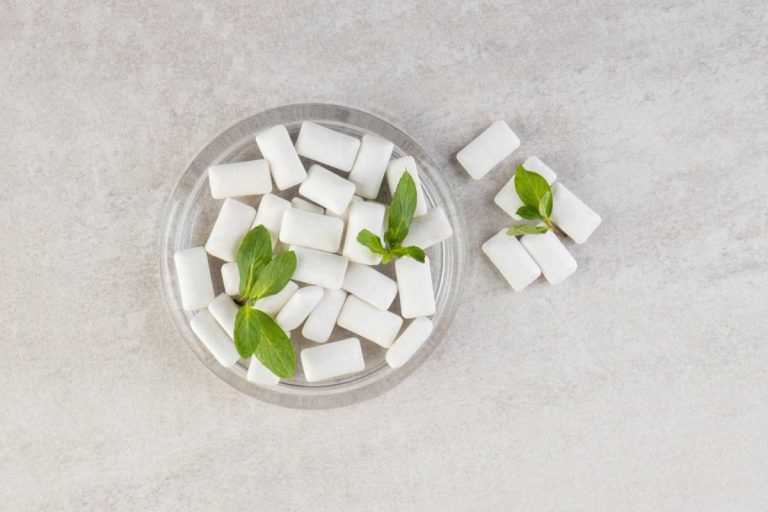
Xylitol Gum: Chewing xylitol-sweetened gum after meals can help neutralize acids in the mouth. This sugar substitute not only tastes great but also stimulates saliva production, which naturally helps remineralize enamel. Incorporating this into your routine can be a delicious way to support your dental health.
-
Clove Oil Application: Applying diluted clove oil directly to affected areas can provide pain relief and combat bacteria. Clove oil contains eugenol, a natural anesthetic and antiseptic. Use a cotton swab to apply a small amount, ensuring it is diluted with a carrier oil to prevent irritation.
-
Green Tea Rinsing: Drinking or rinsing with green tea can provide antioxidants that support oral health. The catechins in green tea have been shown to inhibit bacterial growth and reduce inflammation. Consider making green tea a part of your daily hydration routine for added benefits.
-
Salt Water Rinse: A simple salt water rinse can help soothe inflamed gums and reduce bacteria. Mix half a teaspoon of salt in a glass of warm water and rinse for 30 seconds. This remedy is especially effective after meals to help cleanse the mouth.
-
Aloe Vera Gel: Applying aloe vera gel to the gums can help soothe irritation and fight bacteria. Its natural properties promote healing and have been shown to reduce plaque. Use it as a topical treatment after brushing your teeth for added protection.
-
Apple Cider Vinegar: Diluted apple cider vinegar can be used as a mouthwash to help neutralize acidity in the mouth. Its antibacterial properties may also assist in reducing plaque. However, it should be used sparingly to avoid enamel erosion.
Best Time & Dosage
For optimal results, consider the timing of your natural remedies. Using coconut oil pulling first thing in the morning can set a positive tone for oral health throughout the day. Chewing xylitol gum after meals can combat acid buildup and prevent cavities. Clove oil can be applied as needed, especially if you experience pain. For rinses, using salt water or green tea after meals can help maintain a clean mouth. Adjust dosages according to personal comfort, but consistency is key for effectiveness.
Safety & Precautions
-
Consult with a Dentist: Before starting any new remedy, consult your dental professional to ensure it is appropriate for your situation.
Safety Note: Some natural ingredients may interact with existing dental treatments. -
Dilution is Key: Always dilute concentrated oils, like clove oil, before applying them to your gums.
Safety Note: Undiluted essential oils can cause irritation or allergic reactions. -
Monitor for Allergies: Pay attention to any signs of allergic reactions, such as swelling or rash.
Safety Note: Discontinue use immediately if you experience any adverse effects. -
Limit Acidic Rinses: While apple cider vinegar can be beneficial, excessive use can erode tooth enamel.
Safety Note: Always dilute and rinse with water afterward to minimize risk. -
Maintain Regular Dental Visits: Natural remedies should complement, not replace, professional dental care.
Safety Note: Regular check-ups can help catch issues before they become serious.
5 Common Myths vs. Facts
-
Myth: Natural remedies are ineffective against dental caries.
Fact: Certain natural substances have been shown to combat harmful bacteria and support oral health. -
Myth: All essential oils are safe to use directly on teeth.
Fact: Many essential oils require dilution to avoid irritation or allergic reactions. -
Myth: You can rely solely on natural remedies for dental health.
Fact: While helpful, they should be part of a comprehensive oral hygiene routine including regular dental visits. -
Myth: Xylitol is harmful in any amount.
Fact: Xylitol is safe in moderation and can actually promote dental health when used correctly. -
Myth: Saltwater rinses are outdated and ineffective.
Fact: Saltwater rinses can effectively reduce inflammation and bacteria, making them a valuable addition to oral care.
The Final Verdict
Natural ingredients can play a supportive role in managing dental caries when combined with good oral hygiene practices. While they may not replace professional dental care, they offer a gentle, holistic approach to maintaining oral health. By exploring these remedies, you can empower yourself to take charge of your dental well-being and possibly enhance your smile for years to come.
Get Your FREE Natural Health Guide!
Subscribe now and receive our exclusive ebook packed with natural health tips, practical wellness advice, and easy lifestyle changes, delivered straight to your inbox.