
Contents
In Brief
- Safety: Generally safe for most individuals when used in moderation.
- Effectiveness: Certain spices have been shown to promote relaxation and improve sleep quality.
- Key Benefit: Natural alternatives to over-the-counter sleep aids.
You’ve tried everything to sleep, but your mind won’t shut off. The endless cycle of tossing and turning leaves you feeling drained. Perhaps the solution lies in your spice rack rather than a pharmacy.
Research indicates that certain spices, like cinnamon, not only enhance flavors but may also play a role in promoting better sleep. Natural remedies are gaining traction as people seek healthier alternatives to manage sleep disturbances.
Cinnamon, along with other spices, can help create a calming environment that encourages relaxation. By integrating these into your nightly routine, you may find that restful slumber is more accessible than you thought.
Are you curious about how to harness the power of these spices? Understanding their effects could transform your sleep experience into something rejuvenating and restorative.
What the Research Says
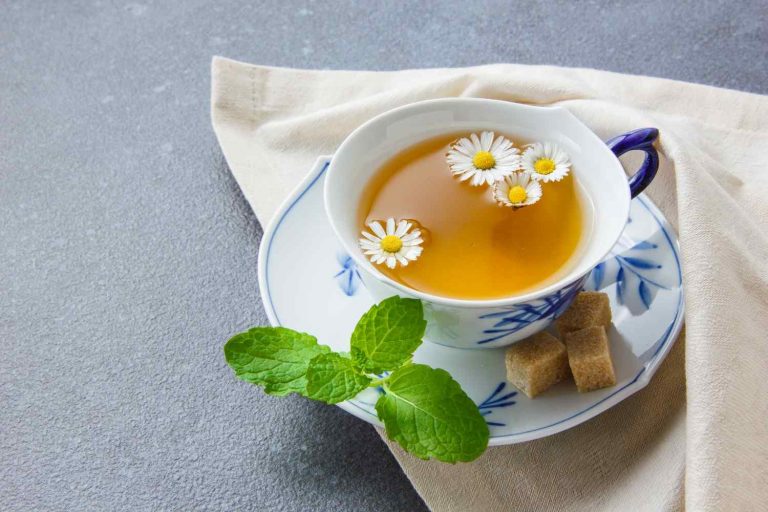
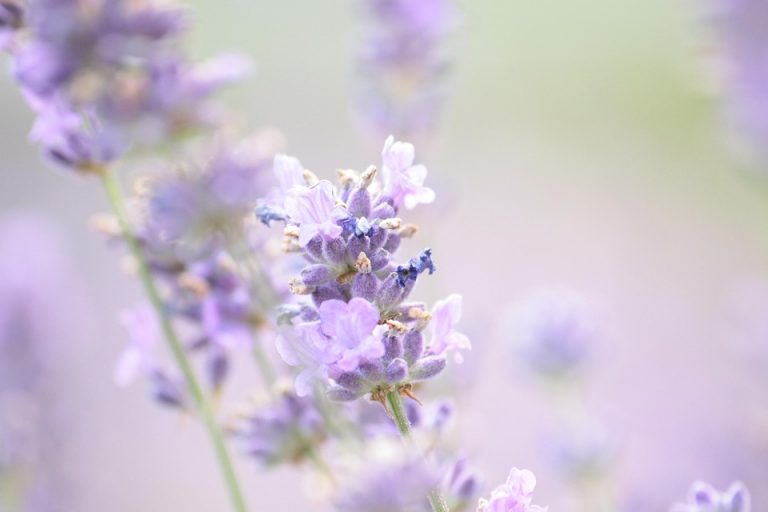
Research supports the idea that specific spices can positively influence sleep quality. For example, cinnamon has been associated with improved blood sugar regulation, which can indirectly affect sleep by stabilizing energy levels. Additionally, spices like chamomile and lavender are well-documented for their calming properties that promote relaxation.
Here’s a comparison of cinnamon and a common alternative, melatonin:
| Spice | Benefits | Common Alternative |
|---|---|---|
| Cinnamon | May improve blood sugar levels and promote relaxation. | Melatonin |
| Chamomile | Known for its calming effects and ability to improve sleep quality. | Melatonin |
| Lavender | Reduces anxiety and improves overall sleep quality. | Melatonin |
Spices can play a significant role in enhancing sleep quality, but understanding how to use them effectively is crucial.
Effective Ways to Use This
-
Cinnamon in Herbal Tea
Brew a warm cup of herbal tea infused with cinnamon before bed. The warmth of the tea combined with cinnamon’s natural sweetness can create a soothing drink that calms your mind. The act of sipping a warm beverage can signal to your body that it’s time to wind down, promoting relaxation and better sleep. -
Add Cinnamon to Oatmeal
Incorporating cinnamon into your evening oatmeal can provide a comforting bedtime snack. Oatmeal is rich in carbohydrates, which can increase serotonin levels, while cinnamon adds flavor and potential health benefits. This combination may help you feel satiated and relaxed before bed. -
Lavender and Chamomile Bath
Create a calming bath by adding lavender and chamomile essential oils. The aroma of these spices not only relaxes your senses but can also help prepare your body for sleep. Warm baths are known to lower body temperature after exiting, signaling to your body that it’s time to sleep. -
Spice-Infused Milk
Warm milk with a dash of cinnamon or nutmeg can be a delightful sleep aid. The combination of protein in milk and the relaxing properties of spices can help soothe your mind. This comforting drink can become part of your bedtime ritual, enhancing your sleep environment. -
Cinnamon and Honey Combination
Mixing cinnamon with honey can create a sweet treat that promotes sleepiness. Honey can help regulate blood sugar levels, while cinnamon adds its calming effects. Consider taking this mixture on a spoon before bed to help ease into sleep. -
Herbal Spice Blends
Create your own spice blend with calming spices like turmeric and ginger. These can be sprinkled on various dishes or mixed into smoothies. The anti-inflammatory properties of these spices can aid in relaxation, contributing to an overall sense of well-being. -
Aromatherapy with Spices
Use essential oils derived from calming spices like cinnamon and lavender in a diffuser before bedtime. The aroma can create a tranquil atmosphere, helping to reduce anxiety and promote sleep. Incorporating aromatherapy into your nightly routine may enhance your ability to fall asleep faster.
Best Time & Dosage
Timing and dosage are essential for maximizing the benefits of spices for sleep. Aim to consume calming spices about 30 to 60 minutes before bedtime.
For cinnamon, a sprinkle (approximately ½ to 1 teaspoon) in your tea or food is sufficient. When using essential oils for aromatherapy, a few drops in a diffuser can create a relaxing environment.
Always listen to your body and adjust the amount based on your individual needs and reactions.
Safety & Precautions
-
Consult Your Doctor
Before adding new spices to your routine, especially if you have existing health conditions, consult your healthcare provider.
Safety Note: Some spices can interact with medications, so it’s essential to get professional advice. -
Moderation is Key
While spices are generally safe, excessive consumption can lead to digestive issues.
Safety Note: Stick to recommended amounts to avoid any adverse effects. -
Allergy Awareness
Be aware of any allergies you may have to specific spices.
Safety Note: Always perform a patch test with new spice-infused products before widespread use. -
Pregnancy Considerations
Pregnant individuals should exercise caution with certain spices.
Safety Note: Consult with a healthcare provider to ensure safety during pregnancy. -
Quality Matters
Choose high-quality, organic spices whenever possible to avoid additives and contaminants.
Safety Note: Poor quality or contaminated spices can lead to health issues.
5 Common Myths vs. Facts
-
Myth: All spices are the same in terms of sleep benefits.
Fact: Different spices have varying effects; some promote relaxation while others may energize. -
Myth: Spices are only effective in high doses.
Fact: Small amounts can be beneficial; moderation is often key. -
Myth: You can’t use spices if you’re on medication.
Fact: While caution is necessary, many spices can be safely integrated with proper guidance. -
Myth: Spices will instantly cure sleep problems.
Fact: They can aid in promoting better sleep but are not a substitute for medical treatment. -
Myth: All herbal remedies are safe.
Fact: Some herbs can cause side effects; always research and consult a healthcare professional.
The Final Verdict
Embracing the use of spices like cinnamon, chamomile, and lavender can be a delightful and effective way to enhance your sleep quality. These natural remedies offer a comforting alternative to pharmaceuticals, allowing for a more holistic approach to rest.
Incorporating these spices into your nightly routine may not just improve your sleep but also enrich your overall well-being. A little creativity in the kitchen and mindfulness in your rituals can go a long way toward achieving that elusive restful night.
Get Your FREE Natural Health Guide!
Subscribe now and receive our exclusive ebook packed with natural health tips, practical wellness advice, and easy lifestyle changes, delivered straight to your inbox.