
Contents
In Brief
- Safety: Generally considered safe, but individual reactions vary.
- Effectiveness: Many herbs have shown promise in improving sleep quality.
- Key Benefit: Natural alternatives can reduce reliance on pharmaceuticals.
You’ve tried everything to sleep, but your mind won’t shut off. Tossing and turning, counting sheep, and even the soothing sounds of white noise seem ineffective. The frustration of sleepless nights can lead to a cycle of anxiety and fatigue that’s hard to break.
Understanding the underlying factors that contribute to restless sleep is essential. Stress, lifestyle choices, and even diet can play significant roles in your ability to unwind at the end of the day. Fortunately, nature offers a range of herbal remedies that may help you reclaim restful nights.
Herbal solutions are gaining traction as potential alternatives to conventional sleep aids. With a rich history in traditional medicine, certain herbs have been scientifically studied for their calming effects. This article explores how incorporating these natural remedies into your nightly routine can transform your sleep experience.
From chamomile to valerian root, various herbs may help ease the transition into slumber. By understanding how these plants work and their benefits, you can make informed choices that align with your wellness journey.
What the Research Says
Numerous studies support the efficacy of herbal remedies for enhancing sleep quality. For instance, chamomile is renowned for its mild sedative effects, while valerian root has been shown to reduce the time it takes to fall asleep. A meta-analysis published in the Journal of Clinical Sleep Medicine highlighted that certain herbal supplements can significantly improve sleep quality compared to placebo treatments.
| Herb | Effectiveness Compared to Prescription Sleep Aids | Common Use |
|---|---|---|
| Chamomile | Mildly effective, often used for anxiety relief | Tea infusion |
| Valerian Root | Comparable to some prescription medications | Capsules or tinctures |
| Lavender | Effective for relaxation and anxiety reduction | Essential oil or tea |
Research indicates that the compounds in these herbs interact with neurotransmitters in the brain, promoting relaxation and reducing anxiety. For example, valerian root is thought to increase levels of gamma-aminobutyric acid (GABA), a neurotransmitter that inhibits excessive neuronal firing, thus calming the nervous system.
Lavender, another popular herb, has been shown to improve sleep quality and duration. According to a study published in the Journal of Alternative and Complementary Medicine, simply inhaling lavender essential oil can lead to significant improvements in sleep quality.
As the science continues to evolve, it’s clear that herbal remedies offer a promising avenue for those seeking natural solutions to their sleep challenges.
Effective Ways to Use This
-
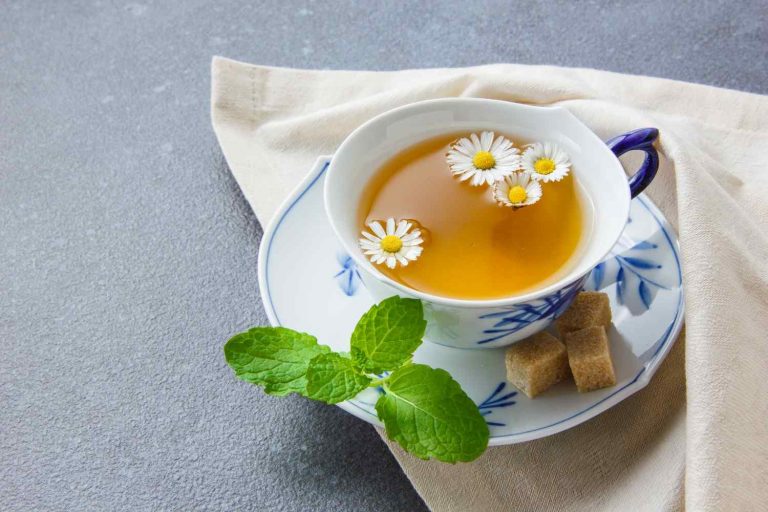
Chamomile Tea: Brewing a cup of chamomile tea before bed can promote relaxation and help ease you into sleep. The flavonoids in chamomile bind to the same receptors as some anti-anxiety medications, providing a calming effect. Aim to drink your tea about 30 minutes before bedtime for optimal results.
-
Valerian Root Supplements: Available in capsules, tinctures, and teas, valerian root can help reduce the time it takes to fall asleep. It’s often recommended to take valerian root about 30 minutes to two hours before bed. Start with a lower dosage and adjust as needed, keeping in mind the importance of consulting with a healthcare provider.
-
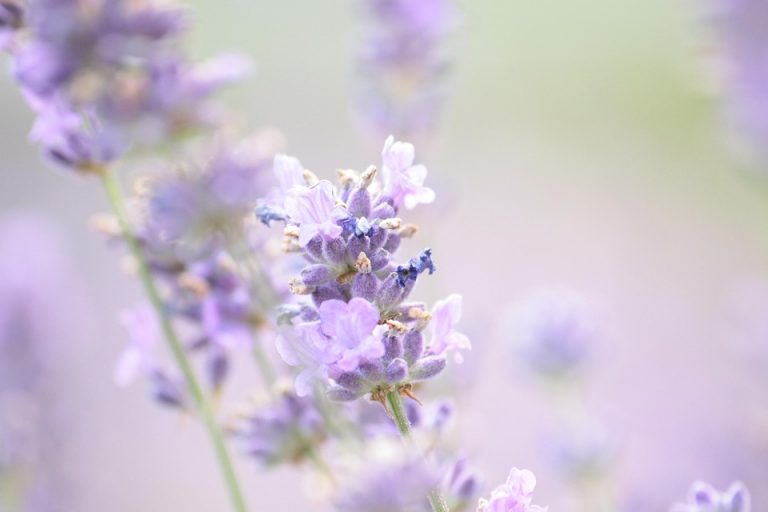
Lavender Essential Oil: Using lavender oil in a diffuser or applying it topically can create a calming atmosphere conducive to sleep. Studies show that inhaling lavender can improve the quality of sleep and decrease anxiety levels. Try adding a few drops to your pillow or using it in a relaxing bath before bedtime.
-
Passionflower Tea: This herb is known for its calming effects and can be consumed as a tea. Research has shown that passionflower can improve sleep quality, especially in those suffering from anxiety. Drinking passionflower tea about an hour before bed can help prepare your mind and body for sleep.
-
Lemon Balm: Often used in combination with other calming herbs, lemon balm can help reduce anxiety and improve sleep. You can find it in tea form or as a supplement. Consuming lemon balm an hour before sleep may enhance its sedative effects.
-
Ashwagandha: Traditionally used in Ayurvedic medicine, ashwagandha is an adaptogen that may help manage stress and improve sleep quality. Available in powder or capsule form, it can be taken daily as part of a calming nighttime routine.
-
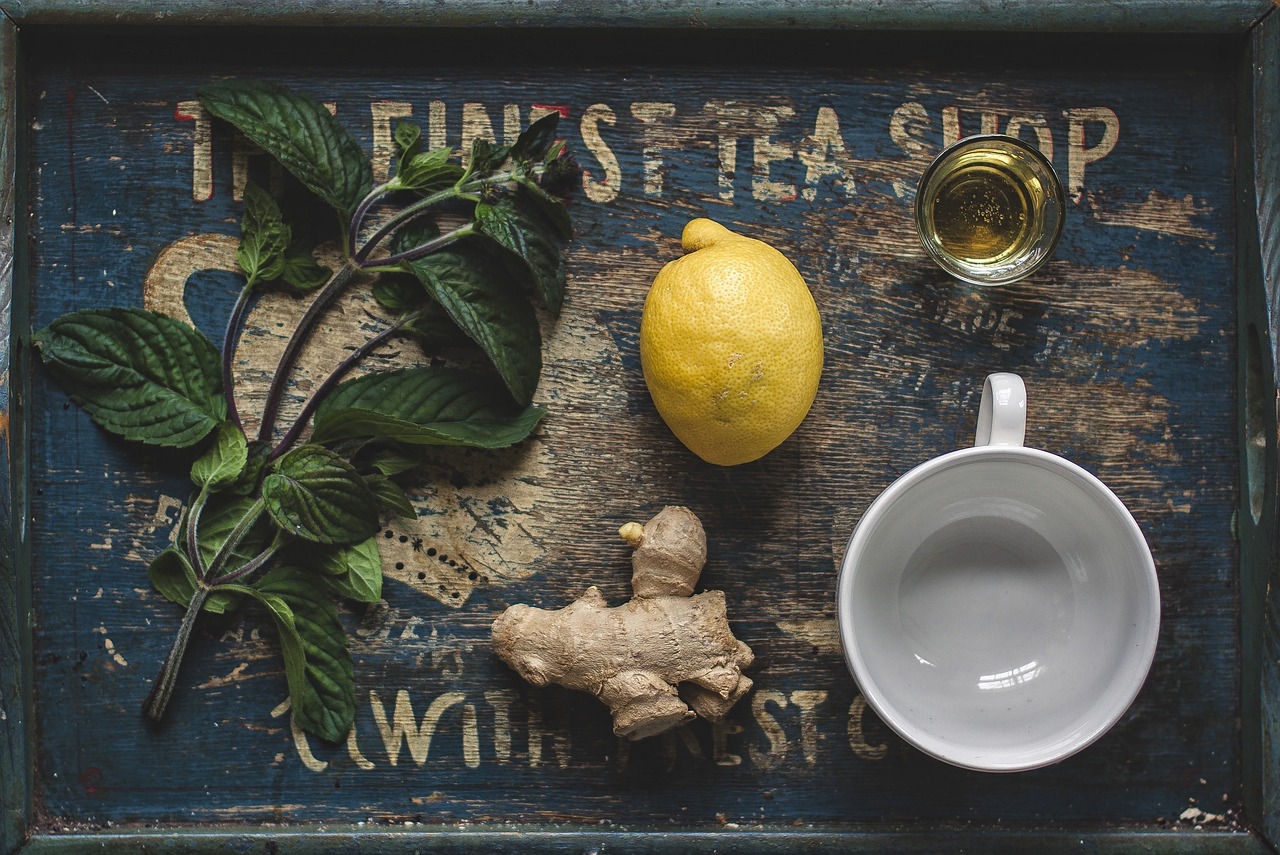
Holy Basil (Tulsi): Known for its stress-relieving properties, holy basil can help reduce cortisol levels, promoting a sense of calm. You can brew it as tea or take it as a supplement. Consuming it in the evening can help set the stage for a more restful night.
Best Time & Dosage
Timing and dosage are crucial when using herbal remedies for sleep. Generally, it’s recommended to take most herbal supplements about 30 minutes to two hours before bedtime. This allows the herbs to interact with your body’s systems effectively.
Chamomile tea can be consumed as part of your pre-bedtime ritual, while valerian root may require a bit more time to take effect. For valerian, starting with a dosage of 300-600 mg is common, but you should always follow the manufacturer’s guidelines or consult a healthcare provider.
Lavender, whether used in oil form or as tea, can be integrated into your evening routine. Aim for a few drops of essential oil in a diffuser or a cup of lavender tea about an hour before sleep. Monitoring your body’s response is key; adjust dosages as needed for optimal results.
Safety & Precautions
-
Consult a Healthcare Provider: Before starting any herbal remedy, particularly if you take other medications, consult with a healthcare professional.
Safety Note: Some herbs can interact negatively with prescription medications or exacerbate existing conditions. -
Start with Low Doses: Begin with lower dosages to assess your body’s response. Gradually increase as necessary.
Safety Note: High doses may lead to side effects, including dizziness or upset stomach. -
Be Aware of Allergies: Ensure you are not allergic to the herbs you choose. Conduct a patch test for topical applications.
Safety Note: Allergic reactions can cause serious health issues, including difficulty breathing. -
Avoid Mixing Herbs: Combining multiple herbs can lead to unpredictable effects. Stick to one or two at a time.
Safety Note: This practice can make it difficult to identify which herb is effective or causing side effects. -
Monitor for Side Effects: Pay attention to how you feel after taking herbal remedies. If you experience adverse effects, discontinue use immediately.
Safety Note: Each person’s body reacts differently, and what works for one might not work for another.
5 Common Myths vs. Facts
-
Myth: Herbal remedies are always safe.
Fact: While many herbs are safe, they can interact with medications and may cause side effects. -
Myth: All herbal remedies work the same for everyone.
Fact: Individual responses vary based on genetics, overall health, and other factors. -
Myth: You can take any amount of herbal supplements without risk.
Fact: Dosage matters; taking too much can lead to adverse effects. -
Myth: Herbal remedies are a quick fix for sleep issues.
Fact: They often require consistent use over time to see benefits. -
Myth: All herbal teas are effective for sleep.
Fact: Not all herbal teas have sedative properties; specific herbs like chamomile and valerian are known for their calming effects.
The Final Verdict
Incorporating herbal remedies into your sleep routine can offer a natural, effective way to enhance your rest. With options ranging from chamomile to ashwagandha, there’s a wealth of knowledge to explore. Embracing these natural alternatives not only promotes better sleep but also empowers you to take charge of your well-being. Remember, a peaceful night’s sleep is within reach—start your journey today.
Get Your FREE Natural Health Guide!
Subscribe now and receive our exclusive ebook packed with natural health tips, practical wellness advice, and easy lifestyle changes, delivered straight to your inbox.