
Contents
In Brief
- Safety: Generally safe when used correctly, but potential interactions exist.
- Effectiveness: Many herbs show promise in promoting better sleep quality.
- Key Benefit: Natural alternatives can reduce reliance on prescription medications.
You’ve tried everything to sleep, but your mind won’t shut off. Tossing and turning, you wonder if there’s a natural solution that can help you drift into a peaceful slumber. The good news is that nature offers a variety of herbs that may aid in achieving restful sleep.
Research and centuries of traditional use support the effectiveness of herbal remedies. While many people turn to over-the-counter sleep aids, these can come with unwanted side effects. Herbal allies provide a gentler approach, potentially helping you find the calm you seek without the drawbacks of synthetic medications.
Herbs like chamomile, valerian root, and lavender have been recognized for their soothing properties. Not only do they promote relaxation, but they also help establish a calming bedtime routine, which is crucial for a good night’s sleep. Exploring these natural options may lead you to your new favorite nighttime ritual.
Imagine waking up refreshed, having enjoyed a full night of restorative sleep. The following sections delve into the evidence supporting these herbal remedies and practical ways to incorporate them into your nightly routine.
What the Research Says
Scientific studies have increasingly focused on the benefits of herbal remedies for sleep disturbances. For instance, valerian root has been shown to improve sleep quality without the grogginess associated with many sleep medications. Chamomile, often enjoyed as a tea, is known for its mild sedative effects, making it a popular choice before bedtime.
| Herb | Effectiveness | Common Alternative |
|---|---|---|
| Valerian Root | Improves sleep latency and quality | Melatonin |
| Chamomile | Reduces anxiety and promotes relaxation | Antihistamines |
| Lavender | Enhances sleep quality and reduces insomnia | Sleep medications |
Several clinical trials have demonstrated that these herbs can be effective in treating insomnia and enhancing overall sleep quality. For example, a study published in “Sleep Medicine Reviews” indicated that valerian root significantly improved sleep quality among participants. Similarly, lavender essential oil has been found to help decrease sleep disturbances, particularly in individuals with anxiety.
As you explore these natural remedies, it’s essential to understand the science behind them. Many herbs contain compounds that interact with neurotransmitters in the brain, promoting relaxation and sleepiness. This natural approach not only fosters better sleep but also supports overall well-being.
Effective Ways to Use This
-
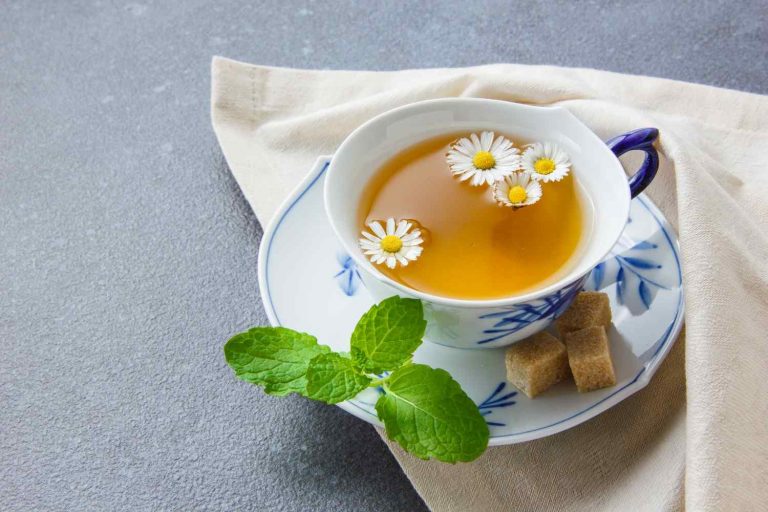
Chamomile Tea: A warm cup of chamomile tea before bed can be incredibly soothing. The flavonoid apigenin in chamomile binds to receptors in the brain, reducing anxiety and promoting sleepiness. Brew a tea bag in hot water for about five minutes, and enjoy it about 30 minutes before bedtime.
-
Valerian Root Tincture: This herbal tincture can be taken directly or mixed into a warm beverage. Studies suggest that valerian root can shorten the time it takes to fall asleep and improve sleep quality. A typical dosage is 300-600 mg, taken 30 minutes to two hours before sleep.
-
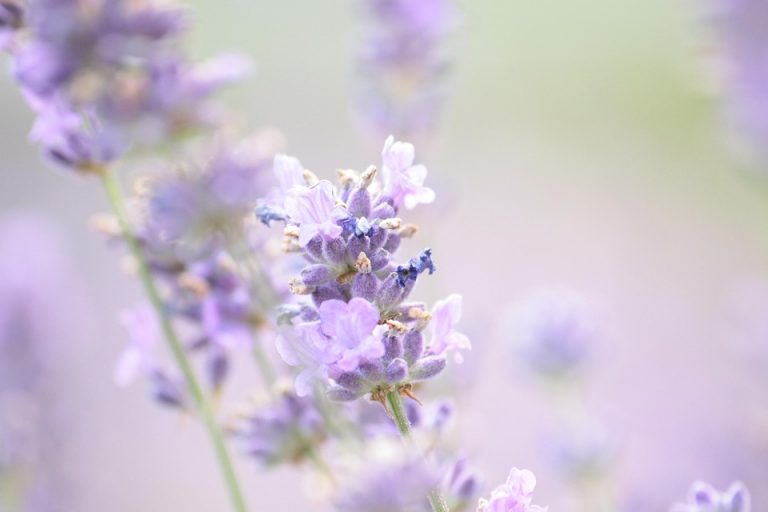
Lavender Essential Oil: Diffusing lavender oil in your bedroom or applying it to your pillow can create a calming environment. Research indicates that inhaling lavender may enhance sleep quality and reduce insomnia symptoms. A few drops on your pillow or in a diffuser can work wonders.
-
Passionflower Tea: Known for its calming effects, passionflower tea can help reduce anxiety and improve sleep quality. Steep dried leaves in boiling water for 10 minutes, and drink this tea before bed. It’s recommended to consume it about an hour before you plan to sleep.
-
Lemon Balm: This herb is often used for anxiety and sleep disorders. It can be consumed as a tea or in capsule form. A typical dosage is 300-500 mg of standardized extract, taken before bedtime. Its mild sedative properties can help you unwind.
-
Hops: Often associated with beer, hops can also be used as a natural sleep aid. Hops extracts are available in capsule form or as a tea. Taking 300-500 mg of hops extract before bed may help improve sleep quality.
-
Ashwagandha: This adaptogenic herb is known for reducing stress and anxiety. Taking ashwagandha in capsule form (300-600 mg) before bed may help promote relaxation and improve sleep quality. It’s particularly beneficial for those experiencing stress-related sleep disturbances.
Best Time & Dosage
Timing and dosage are crucial when it comes to herbal remedies for sleep. Most herbs should be taken approximately 30 minutes to two hours before bedtime to allow their calming effects to take hold.
For teas, aim for one cup about 30 minutes prior to sleep. Capsules and tinctures should be taken as directed on the product label, typically within the same timeframe. Always start with the lowest recommended dose and monitor your body’s response before increasing.
Remember that consistency is key. Incorporating these herbs into your nightly routine can help establish a pattern that promotes better sleep over time.
Safety & Precautions
-
Consult Your Doctor: Always consult with a healthcare provider before starting any herbal regimen, especially if you are pregnant, nursing, or have underlying health conditions.
Safety Note: Some herbs may interact with medications, so professional guidance is essential. -
Monitor for Side Effects: Pay attention to how your body reacts to new herbs. If you experience adverse effects, discontinue use immediately.
Safety Note: Common side effects may include dizziness or gastrointestinal upset. -
Avoid Alcohol: Combining herbal remedies with alcohol can increase the risk of sedation and impair cognitive function.
Safety Note: It’s best to avoid alcohol consumption when using herbal sleep aids. -
Stick to Recommended Dosages: Overuse of herbal remedies can lead to tolerance and reduced effectiveness. Follow dosage guidelines carefully.
Safety Note: Higher doses do not necessarily equate to better results and may increase the risk of side effects. -
Consider Allergies: Some individuals may have allergies to specific herbs. Be cautious when trying a new herb for the first time.
Safety Note: If you have known allergies, conduct a patch test with topical applications or start with a small amount in food or tea.
5 Common Myths vs. Facts
-
Myth: All herbal remedies are safe.
Fact: While many herbs are natural, they can still cause side effects or interact with medications. -
Myth: Herbal remedies work instantly.
Fact: Many herbal treatments require consistent use over time to be effective. -
Myth: More herbs mean better sleep.
Fact: Higher doses can lead to adverse effects; it’s essential to stick to recommended dosages. -
Myth: Herbal remedies can replace prescription medications.
Fact: While some herbs can aid sleep, they should not be seen as direct replacements for prescribed treatments without consulting a healthcare provider. -
Myth: All herbal teas help with sleep.
Fact: Not all herbal teas are designed for sleep; some may even have stimulating effects.
The Final Verdict
Exploring herbal allies for better sleep can be a rewarding journey. With a variety of options available, you can find natural remedies that suit your lifestyle and preferences.
While these herbs can be effective, it’s essential to approach them with care and knowledge. By incorporating them into your nightly routine, you may discover a path to more restful sleep. Embrace the power of nature and take the first step towards rejuvenating your nights.
Get Your FREE Natural Health Guide!
Subscribe now and receive our exclusive ebook packed with natural health tips, practical wellness advice, and easy lifestyle changes, delivered straight to your inbox.