
Contents
In Brief
- Safety: Generally safe when used appropriately; however, individual reactions may vary.
- Effectiveness: Supported by research showing reduced stress and anxiety levels.
- Key Benefit: Natural alternatives to pharmaceuticals for stress management.
You’ve tried everything to sleep, but your mind won’t shut off. Stress can be relentless, affecting your sleep, mood, and overall health. Many turn to conventional medications, but nature offers its own soothing solutions through calming herbs.
Research supports the use of certain herbs to reduce anxiety and promote relaxation. These natural remedies can be effective alternatives to synthetic options, offering a gentler approach to stress management.
As you explore these calming herbs, consider how they might fit into your routine. Whether you’re seeking relief from daily stressors or looking for a way to unwind after a long day, these herbs can provide comfort and balance.
Let’s dive deeper into the science behind these calming botanicals and discover how they can support your journey to a more peaceful life.
What the Research Says
Herbs have been used for centuries in traditional medicine, and modern research is catching up to validate their efficacy. Various studies highlight the potential of specific herbs to alleviate stress and anxiety. For instance, ashwagandha has been shown to lower cortisol levels, a hormone linked to stress. Similarly, chamomile is often cited for its calming effects, particularly in promoting better sleep quality.
Here’s a comparison of calming body herbs versus a common alternative, such as over-the-counter medications, which may have side effects and dependency risks.
| Calming Body Herbs | Common Alternative (e.g., Benzodiazepines) | Notes |
|---|---|---|
| Ashwagandha | Valium | Natural adaptogen that reduces stress without sedation. |
| Chamomile | Ativan | Promotes relaxation and sleep without the risk of dependence. |
| Lavender | Xanax | Reduces anxiety and improves mood with fewer side effects. |
Effective Ways to Use This
Ashwagandha: Known as an adaptogen, ashwagandha helps the body adapt to stress. It can be consumed in powder form, capsules, or as a tea. Studies suggest that a daily dosage of 300-600 mg can significantly reduce cortisol levels. Incorporating this herb into your routine may lead to improved stress resilience.
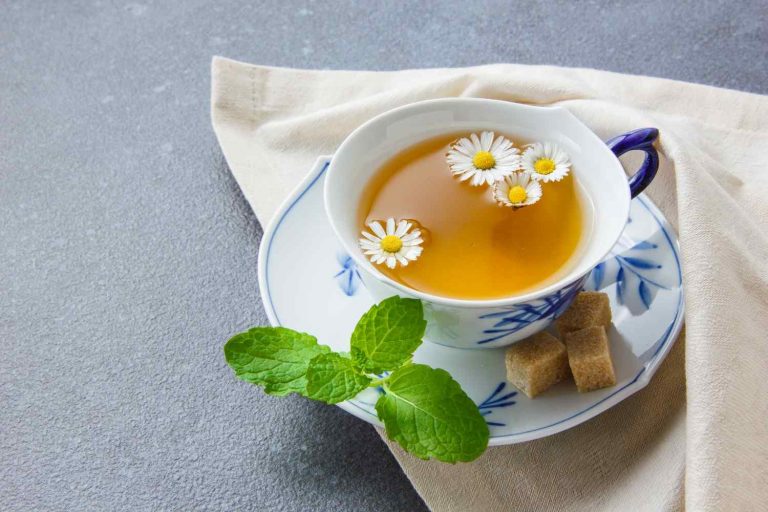
Chamomile: Often enjoyed as a tea, chamomile possesses mild sedative properties. Drinking chamomile tea before bedtime can promote relaxation and improve sleep quality. Research suggests that 220-1,200 mg of chamomile extract may help reduce anxiety levels effectively. It’s a gentle option for those seeking a calming ritual.
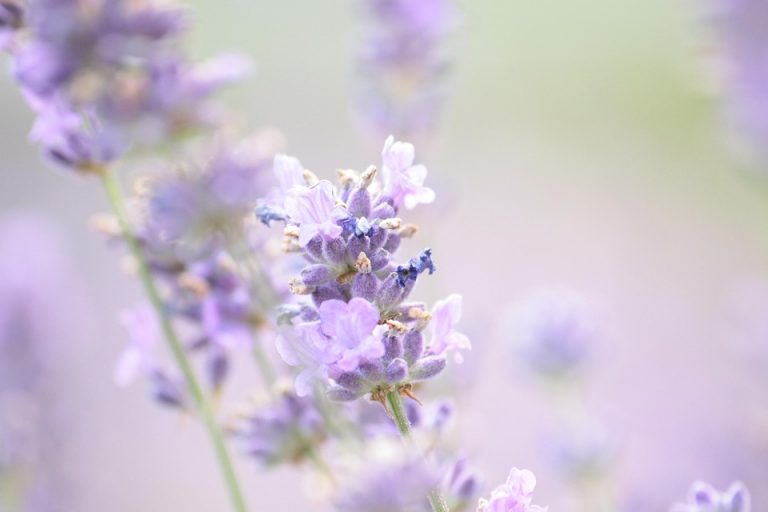
Lavender: This fragrant herb is well-known for its soothing aroma. Lavender essential oil can be used in aromatherapy or added to baths. Inhaling lavender scent before sleep has been shown to enhance sleep quality. A few drops in a diffuser or a warm bath can create a calming environment.
Passionflower: Often used as a natural remedy for anxiety, passionflower can be taken as a tea or in supplement form. Research indicates that it may help reduce symptoms of anxiety and promote relaxation. A typical dosage is 250-500 mg of the extract, making it a viable option for stress relief.
Valerian Root: Valerian is frequently used to improve sleep and reduce anxiety. Available in capsules or tea, it is often combined with other calming herbs for enhanced effects. Suggested dosages range from 400-900 mg before bedtime, making it a potent ally for those struggling with insomnia.
Best Time & Dosage
Timing is crucial when using calming herbs. For instance, ashwagandha is best taken in the morning to help manage daily stressors, while chamomile and valerian root are more effective before bedtime to promote restful sleep. Dosages can vary; generally, starting with the lower end of the recommended range is advisable, gradually increasing as needed.
For herbal teas, steeping for 5-10 minutes allows for optimal extraction of beneficial compounds. Supplements should be taken with food to enhance absorption and minimize gastrointestinal discomfort. Always consult with a healthcare provider for personalized recommendations.
Safety & Precautions
Step 1: Consult a Healthcare Provider: Before starting any herbal regimen, especially if you have existing health conditions or are taking medications, consult a healthcare professional.
Safety Note: Some herbs can interact with medications, leading to adverse effects.
Step 2: Start with Low Dosages: Begin with the lowest recommended dose to assess your body’s response. Gradually increase if necessary.
Safety Note: This approach minimizes the risk of side effects and helps identify any sensitivities.
Step 3: Monitor for Allergic Reactions: Be aware of any potential allergic reactions when trying a new herb. Discontinue use if you experience adverse symptoms.
Safety Note: Some individuals may have sensitivities to specific herbs, leading to unexpected reactions.
Step 4: Avoid Mixing Herbs: Combining multiple herbs can lead to unpredictable effects. Stick to one or two at a time to gauge their efficacy.
Safety Note: This practice helps in understanding how each herb affects your body individually.
Step 5: Consider Quality: Choose high-quality herbs from reputable sources to ensure potency and safety. Look for standardized extracts when available.
Safety Note: Quality can significantly impact the effectiveness and safety of herbal supplements.
5 Common Myths vs. Facts
Myth 1: All herbs are safe to use without precautions. Fact: Herbs can interact with medications and cause side effects; consulting a professional is essential.
Myth 2: Herbal remedies work instantly. Fact: Many herbs require consistent use over time to see significant effects.
Myth 3: Natural means no side effects. Fact: Natural does not always mean safe; herbs can have side effects just like pharmaceuticals.
Myth 4: All herbs are effective for everyone. Fact: Individual responses to herbs can vary widely based on personal health and genetic factors.
Myth 5: You can mix any herbs together. Fact: Some herbs may interact negatively with others, so it’s important to research or consult before combining them.
The Final Verdict
Incorporating calming herbs into your daily routine can be a gentle, effective way to manage stress and promote relaxation. With options like ashwagandha, chamomile, and lavender, nature provides a variety of tools to help you navigate life’s challenges. Embracing these natural remedies may lead to a more balanced, peaceful state of mind.
Get Your FREE Natural Health Guide!
Subscribe now and receive our exclusive ebook packed with natural health tips, practical wellness advice, and easy lifestyle changes, delivered straight to your inbox.