Contents
- Introduction
- The Nutritional Profile of Chia Seeds
- How to Incorporate Chia Seeds into Your Hair Care Routine
- The Science Behind Chia Seeds and Hair Health
- Common Mistakes to Avoid
- Personal Observations
- Cultural Context: Chia Seeds Through the Ages
- Addressing Skepticism: Are Chia Seeds a Miracle Solution?
- FAQs
- Conclusion
- References
Introduction
As someone who has spent years researching natural health remedies, I’ve often stumbled upon the surprising benefits of foods we often overlook. One day, while browsing through a local farmer’s market, I came across a bag of chia seeds. Little did I know that these tiny seeds would become a staple in my hair care routine. Often celebrated for their nutritional benefits, chia seeds are emerging as a powerhouse for hair strength and health. But what exactly makes them so special?
The Nutritional Profile of Chia Seeds
Chia seeds, derived from the Salvia hispanica plant, are rich in omega-3 fatty acids, fiber, antioxidants, and essential minerals like zinc and calcium. These nutrients not only contribute to overall health but also play a vital role in hair vitality.
Omega-3 Fatty Acids: The Unsung Heroes
Omega-3 fatty acids are renowned for their anti-inflammatory properties. According to a study published in the Journal of Clinical and Aesthetic Dermatology, omega-3s can help alleviate hair loss by promoting scalp health and stimulating hair growth. Incorporating chia seeds into your diet can be an excellent way to ensure you’re getting enough of these essential fats.
Antioxidants: Fighting Free Radicals
Chia seeds are also packed with antioxidants, which combat oxidative stress that can lead to hair damage. A study from the International Journal of Molecular Sciences highlights how oxidative stress negatively impacts hair follicles, leading to hair thinning and loss. By consuming chia seeds, you’re giving your body the tools it needs to fight back.
Essential Minerals: Building Blocks for Hair
Zinc and calcium are critical for hair strength and growth. Zinc, in particular, is known to support hair tissue growth and repair. The National Institutes of Health suggests that a deficiency in zinc can lead to hair loss. Chia seeds offer a natural source of this essential mineral, making them a valuable addition to your diet.
How to Incorporate Chia Seeds into Your Hair Care Routine
Adding chia seeds to your diet is simple, but they can also be used topically. Here are some practical applications to consider:
1. Chia Seed Hair Masks
Creating a hair mask with chia seeds is an excellent way to nourish your locks directly. Here’s a simple recipe:
Ingredients:
- 2 tablespoons of chia seeds
- 1 cup of water
- 1 tablespoon of coconut oil (optional)
- A few drops of your favorite essential oil (like lavender or rosemary)
Instructions:
- Soak the chia seeds in water for about 30 minutes, allowing them to expand and form a gel-like consistency.
- Mix in coconut oil and essential oil if desired.
- Apply the mixture to your scalp and hair, focusing on the ends.
- Leave it on for 30-60 minutes, then rinse thoroughly.
2. Chia Seed Smoothies
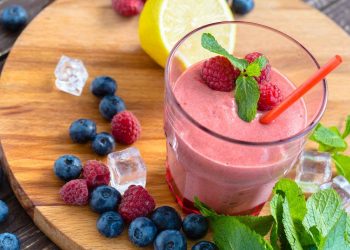
For those who prefer dietary intake, adding chia seeds to your smoothies is an effortless way to boost your nutrient intake. I often blend a banana, a handful of spinach, almond milk, and a tablespoon of chia seeds for a delicious and nutritious breakfast.
3. Chia Seed Pudding
Chia seed pudding has gained popularity as a healthy snack or breakfast option. Mix chia seeds with almond milk, a sweetener of your choice, and let it sit overnight. Top with fruits and nuts for added flavor and nutrition.
The Science Behind Chia Seeds and Hair Health
While anecdotal evidence abounds, scientific studies provide a more comprehensive understanding of how chia seeds contribute to hair strength.
Study Insights
-
Omega-3 Fatty Acids: A peer-reviewed study in Nutrition Journal found that omega-3 supplementation improved hair density and thickness in participants experiencing hair loss.
-
Antioxidant Effects: Research published in the Journal of Cosmetic Dermatology demonstrated that topical antioxidants can reduce hair loss and improve scalp health, supporting the idea that chia seeds could be beneficial when used in hair masks.
-
Mineral Absorption: According to the American Journal of Clinical Nutrition, zinc and calcium are critical for hair follicle health. This reinforces the value of chia seeds as a natural source of these minerals.
Common Mistakes to Avoid
While chia seeds offer numerous benefits, there are common pitfalls to watch out for:
Overconsumption
Chia seeds are high in fiber, which can lead to digestive discomfort if consumed in excess. It’s best to start with a small amount, gradually increasing as your body adjusts.
Not Soaking the Seeds
Chia seeds absorb a significant amount of water, expanding to many times their original size. Consuming them dry can lead to digestive issues. Always soak them before consumption or use them in recipes that incorporate liquid.
Personal Observations
In my journey with chia seeds, I’ve noticed a remarkable difference in my hair’s texture and overall health. Initially skeptical, I began using chia seed masks alongside my dietary intake. Over time, my hair became shinier, stronger, and more resilient to damage. These personal experiences align with the scientific evidence, suggesting that chia seeds can indeed play a beneficial role in hair health.
Cultural Context: Chia Seeds Through the Ages
Chia seeds have a rich history, dating back to ancient civilizations like the Aztecs and Mayans, who valued them for their nutritional density. They used chia seeds for various purposes, from energy boosters during long journeys to medicinal applications. Today, as we rediscover these ancient superfoods, it’s fascinating to see how they bridge the gap between historical wisdom and modern health practices.
Addressing Skepticism: Are Chia Seeds a Miracle Solution?
While the benefits of chia seeds are promising, it’s essential to approach them with a balanced perspective. They are not a miracle cure for hair loss or damage. Factors such as genetics, overall diet, and lifestyle play significant roles in hair health.
A Balanced Approach
Incorporating chia seeds into a well-rounded diet, rich in various nutrients, is key. For example, some may find that other foods, like nuts and seeds, provide similar benefits without the need for chia seeds specifically.
Consulting Professionals
Before making significant changes to your diet or hair care routine, it’s wise to consult with a healthcare provider or dermatologist. They can offer insights tailored to your unique needs and help you navigate the myriad of options available.
FAQs
1. Can chia seeds help with hair loss?
Yes, chia seeds are rich in omega-3 fatty acids, antioxidants, and essential minerals that support hair health and may help reduce hair loss.
2. How often should I use chia seed hair masks?
Using a chia seed hair mask once a week can provide significant benefits without overwhelming your hair.
3. Are there any side effects of consuming chia seeds?
While chia seeds are generally safe, overconsumption can lead to digestive issues. It’s best to start with a small amount and soak them before eating.
4. Can I use chia seeds if I have a nut allergy?
Yes, chia seeds are not related to nuts and can be a safe alternative for those with nut allergies.
5. What is the best way to store chia seeds?
Store chia seeds in an airtight container in a cool, dry place to maintain their freshness.
Conclusion
The journey of exploring chia seeds for hair strength has opened my eyes to the potential of natural remedies in enhancing our health. While the science is compelling, it’s the personal anecdotes and cultural history that truly enrich our understanding of these tiny seeds. As we continue to navigate the vast landscape of hair care, let’s remain curious and open-minded, embracing the age-old wisdom that informs our modern practices.
“This article is for educational purposes only and does not replace professional medical guidance. Always speak with a qualified healthcare provider before making changes to your health routine.”
References
- Journal of Clinical and Aesthetic Dermatology. (2015). Omega-3 Fatty Acids and Hair Loss. Link
- International Journal of Molecular Sciences. (2019). Oxidative Stress and Hair Loss. Link
- National Institutes of Health. (2021). Zinc: Fact Sheet for Health Professionals. Link
- American Journal of Clinical Nutrition. (2005). The Role of Calcium in Hair Health. Link
Get Your FREE Natural Health Guide!
Subscribe now and receive our exclusive ebook packed with natural health tips, practical wellness advice, and easy lifestyle changes — delivered straight to your inbox.