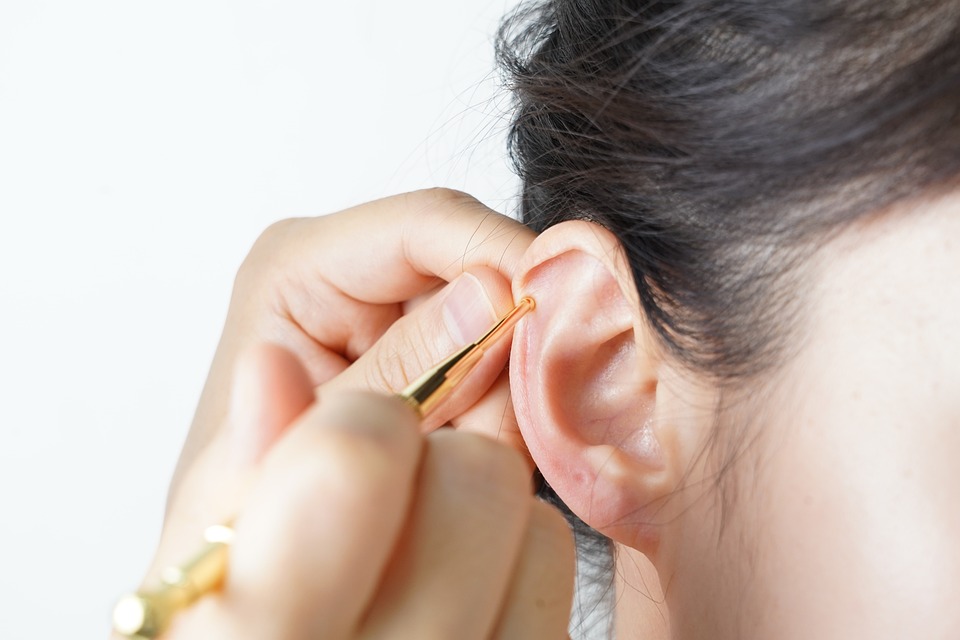
Tinnitus can feel like a relentless companion, often manifesting as a constant ringing or buzzing in the ears. For many, this condition can disrupt daily life, leading to stress and anxiety. As someone who has spent years researching natural health remedies, I’ve often found solace in alternative treatments. One such method that has garnered significant attention is acupressure. This ancient practice, rooted in Traditional Chinese Medicine, employs the application of pressure to specific points on the body to promote healing and balance. In this article, we’ll explore the connection between acupressure and tinnitus relief, examining techniques, the science behind them, and real-life experiences that illuminate their efficacy.

Contents
- Understanding Tinnitus: A Brief Overview
- The Role of Acupressure in Tinnitus Relief
- Techniques for Tinnitus Relief through Acupressure
- The Science Behind Acupressure and Tinnitus
- Real-Life Experiences with Acupressure for Tinnitus
- Common Mistakes and Misconceptions
- Cultural Perspectives on Acupressure
- FAQs About Acupressure and Tinnitus
- A Personal Reflection
- Conclusion
- References
Understanding Tinnitus: A Brief Overview
Before diving into acupressure techniques, it’s essential to grasp what tinnitus is and how it affects individuals. Tinnitus isn’t a standalone condition but rather a symptom of an underlying issue, such as hearing loss, ear injury, or circulatory system disorders. According to the American Tinnitus Association, about 15% of the population experiences some degree of tinnitus, with varying levels of severity.
The Emotional Toll of Tinnitus
For many, tinnitus can lead to emotional distress. The persistent noise can interfere with concentration, disrupt sleep, and even result in feelings of isolation. I’ve spoken with individuals who describe their tinnitus as a “never-ending noise” that drowns out the sounds of life. This emotional burden can exacerbate the perception of the ringing, creating a vicious cycle. It’s no wonder that many seek alternative methods for relief.
The Role of Acupressure in Tinnitus Relief
Acupressure, a technique derived from acupuncture, involves applying pressure to specific points on the body, known as acupoints. This method aims to stimulate the body’s natural healing processes. Research suggests that acupressure may help alleviate symptoms of tinnitus by improving blood circulation, reducing anxiety, and promoting relaxation.
Historical Context of Acupressure
Acupressure has roots that trace back thousands of years in Traditional Chinese Medicine. It operates on the principle of Qi (pronounced “chee”), the vital energy that flows through the body. Blockages or imbalances in Qi can lead to various health issues, including tinnitus. By applying pressure to specific points, practitioners aim to restore balance and promote overall well-being.
Techniques for Tinnitus Relief through Acupressure
Let’s explore some acupressure techniques that may help alleviate tinnitus symptoms. These methods are simple and can be practiced at home, making them accessible for anyone seeking relief.
1. The Ear Point (Shen Men)
The Shen Men acupoint, located on the outer ear, is known for its calming effects. To locate this point:
- How to Find It: Gently pull your ear forward and locate the small triangular area at the top of the ear.
- Application: Using your thumb or index finger, apply gentle pressure to this point for about 1-2 minutes.
I’ve found that even a short session at this point can lead to a noticeable reduction in the perception of ringing.
2. The Gallbladder 2 Point (GB2)
This point is situated just in front of the ear canal and is believed to help with ear-related issues.
- How to Find It: Open your mouth slightly; the point is located just below the bony prominence of the ear.
- Application: Press gently for 2-3 minutes while taking deep breaths.
Many individuals have reported that this technique not only alleviates tinnitus but also enhances clarity of hearing.
3. The Large Intestine 4 Point (LI4)
LI4, also known as Hegu, is a popular acupressure point that’s used for various ailments, including headaches and stress relief.
- How to Find It: This point is located on the back of the hand, in the webbing between the thumb and index finger.
- Application: Press firmly with your opposite thumb for 1-2 minutes while focusing on your breathing.
I’ve often used this technique when feeling particularly stressed, and it seems to provide a calming effect, which can indirectly help with tinnitus.
4. The Pericardium 6 Point (PC6)
This point is known to help with anxiety and stress, which can often accompany tinnitus.
- How to Find It: Locate this point on the inner forearm, about three fingerbreadths above the wrist crease.
- Application: Apply pressure for 1-2 minutes while visualizing a calming scene.
In my experience, this technique not only helps alleviate tinnitus but also fosters a sense of tranquility.
The Science Behind Acupressure and Tinnitus
While many individuals swear by the efficacy of acupressure for tinnitus relief, it’s important to examine the scientific evidence. A study published in the Journal of Acupuncture and Meridian Studies found that acupressure significantly reduced tinnitus severity in participants. Another research piece from the American Journal of Audiology indicated that acupuncture, similar to acupressure, may improve tinnitus symptoms through neurophysiological mechanisms.
Mixed Evidence
However, not all research is conclusive. Some studies suggest that while patients report subjective improvement, the objective measurements of tinnitus severity show minimal change. This discrepancy raises questions about the placebo effect and the psychological aspects of pain management.
Real-Life Experiences with Acupressure for Tinnitus
To better understand the impact of acupressure for tinnitus, I spoke with several individuals who have incorporated these techniques into their lives.
Case Study: Sarah’s Journey
Sarah, a 34-year-old graphic designer, has battled tinnitus for over five years. After trying various treatments with little success, she turned to acupressure. “I was skeptical at first,” she admits, “but after a few weeks of practicing daily, I felt a significant reduction in the intensity of the ringing.”
Sarah shared that she particularly benefited from the Shen Men point, often using it before bed to calm her racing mind.
Case Study: Mark’s Experience
Mark, a retired teacher, experienced sudden onset tinnitus after a loud concert. Frustrated and anxious, he sought acupressure as a natural remedy. “I found the LI4 point particularly helpful,” he says. “It not only reduced the noise but also helped me manage my stress levels.”
Mark’s story highlights the interconnectedness of emotional well-being and physical symptoms, a theme echoed by many who practice acupressure.
Common Mistakes and Misconceptions
While acupressure can be an effective tool, there are common mistakes individuals make when practicing these techniques.
1. Inconsistent Practice
One of the most frequent pitfalls is inconsistency. Acupressure requires regular practice to yield results. I’ve learned that setting aside just a few minutes each day can significantly enhance the benefits.
2. Over-Pressuring
Applying too much pressure can lead to discomfort or bruising. It’s essential to listen to your body and find a balance that feels right.
3. Expecting Immediate Results
Tinnitus can be a complex condition, and while some may experience immediate relief, others might take time to notice changes. Patience is key.
Cultural Perspectives on Acupressure
Acupressure is not only a therapeutic tool but also a cultural practice with deep historical roots. In many Asian cultures, it’s viewed as a holistic approach to health, emphasizing the balance of mind, body, and spirit. This perspective can shift how individuals perceive their tinnitus, moving from a purely medical issue to a holistic challenge that encompasses emotional and spiritual health.
FAQs About Acupressure and Tinnitus
1. Can anyone practice acupressure for tinnitus relief?
Yes, acupressure is safe for most individuals. However, those with specific medical conditions should consult a healthcare provider before starting.
2. How often should I practice acupressure techniques?
Daily practice is recommended for optimal results. Even a few minutes each day can make a significant difference.
3. Are there any side effects of acupressure?
Acupressure is generally safe, but some individuals may experience temporary soreness or discomfort at the pressure points.
4. Can acupressure replace conventional tinnitus treatments?
While acupressure can complement traditional treatments, it’s essential to consult a healthcare professional for a comprehensive approach to tinnitus management.
5. How long does it take to see results from acupressure?
Results can vary widely. Some individuals may notice immediate relief, while others may take weeks to experience significant changes.
A Personal Reflection
As I reflect on my journey with alternative health remedies, acupressure stands out as a powerful tool for managing tinnitus. It’s not just about alleviating symptoms; it’s about fostering a deeper connection with one’s body and mind. By integrating these techniques into daily routines, individuals can reclaim a sense of control over their tinnitus.
Conclusion
Acupressure offers a promising avenue for those seeking relief from tinnitus. While the scientific evidence is mixed, the personal testimonies and cultural significance of this practice cannot be overlooked. As we continue to explore natural remedies, it’s vital to remain open-minded and curious, understanding that healing is often a multifaceted journey.
This article is for educational purposes only and does not replace professional medical guidance. Always speak with a qualified healthcare provider before making changes to your health routine.
References
- A study on acupressure and tinnitus: Journal of Acupuncture and Meridian Studies [Link]
- Research on acupuncture and tinnitus: American Journal of Audiology [Link]
- Overview of tinnitus: American Tinnitus Association [https://www.ata.org]
- Acupressure techniques: Harvard Health Publishing [https://www.health.harvard.edu]
Get Your FREE Natural Health Guide!
Subscribe now and receive our exclusive ebook packed with natural health tips, practical wellness advice, and easy lifestyle changes — delivered straight to your inbox.