When I first discovered peppermint tea, it was during a particularly grueling exam week. Stress had me feeling knotted up inside, and the discomfort was palpable. I stumbled upon a steaming cup of peppermint tea in a friend’s kitchen, and after just a few sips, I felt an immediate sense of relief wash over me. This moment sparked my curiosity about the potential benefits of peppermint tea, especially regarding stomach discomfort.

Peppermint tea has been a go-to remedy for digestive issues for centuries, and while the soothing properties are widely recognized, the science behind its effectiveness is equally compelling. Today, we’ll explore how peppermint tea can help alleviate stomach discomfort, backed by research, personal anecdotes, and practical application tips.
Contents
- Understanding Peppermint Tea
- The Science Behind Stomach Relief
- Cultural Context and Historical Use
- Counterpoints: When Peppermint Tea Might Not Help
- Step-by-Step Guide to Making the Perfect Cup of Peppermint Tea
- FAQs About Peppermint Tea and Stomach Relief
- Reflecting on Peppermint Tea’s Role in Wellness
- Medical Disclaimer
- References
Understanding Peppermint Tea
The Basics of Peppermint
Peppermint (Mentha × piperita) is a hybrid plant derived from watermint and spearmint. Its essential oil contains menthol, a compound responsible for its characteristic cooling sensation and therapeutic properties. Historically, peppermint has been used in various cultures for its medicinal benefits, including aiding digestion and relieving headaches.
Nutritional Profile
While peppermint tea is enjoyed primarily for its flavor and soothing properties, it also contains several beneficial compounds. These include:
- Menthol: Offers a cooling effect and can help relax the muscles of the gastrointestinal tract.
- Flavonoids: Antioxidants that may contribute to overall health.
- Vitamins and Minerals: Including small amounts of vitamins A and C, calcium, and magnesium.
The Science Behind Stomach Relief
How Peppermint Tea Works
Several peer-reviewed studies suggest that peppermint tea can be effective in relieving stomach discomfort. One study published in the “Journal of Gastroenterology” found that peppermint oil capsules significantly reduced symptoms of irritable bowel syndrome (IBS), including abdominal pain and bloating (1). While the study focused on oil, the tea’s menthol content works similarly to relax the digestive tract muscles, potentially easing spasms and discomfort.
Another study in the “World Journal of Gastroenterology” highlighted the antispasmodic effects of peppermint, demonstrating that it could help alleviate symptoms of gastrointestinal distress (2). So, when you sip peppermint tea, you’re not just indulging in a warm beverage; you’re also engaging with a centuries-old remedy supported by modern science.
Practical Applications
If you’re new to peppermint tea and want to incorporate it into your routine, here’s how:
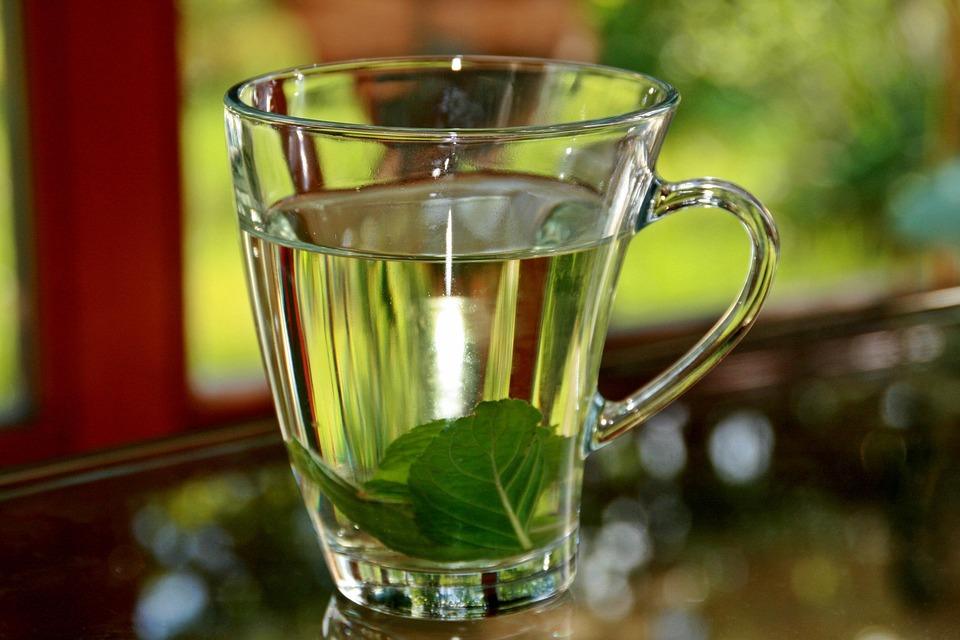
- Brewing Your Tea: Use fresh peppermint leaves or high-quality tea bags. Steep for about 5-7 minutes to extract the flavor and beneficial compounds.
- Timing: Consider sipping peppermint tea after meals to aid digestion.
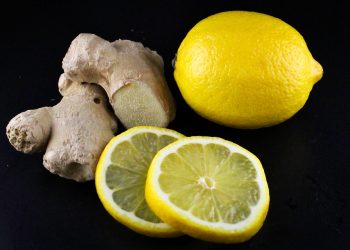
- Combination: Some people find adding honey or lemon enhances the flavor while providing additional health benefits.
Common Mistakes
While peppermint tea is generally safe for most people, there are a few common pitfalls to avoid:
- Overconsumption: Drinking excessive amounts can lead to heartburn in some individuals due to menthol’s relaxing effects on the esophageal sphincter.
- Ignoring Allergies: If you have a known allergy to mint or other plants in the Lamiaceae family, avoid peppermint tea.
Cultural Context and Historical Use
Peppermint tea has a rich history across various cultures. In ancient Egypt, it was used for digestive issues, while traditional Chinese medicine often incorporates mint for its cooling properties. In Europe, it gained popularity during the Middle Ages, where it was utilized not just for its flavor but also for its medicinal qualities. The cultural significance of peppermint as a soothing agent cannot be overstated.
Case Study: A Personal Journey
A close friend of mine, Emma, has struggled with occasional digestive issues for years. After hearing about my experience with peppermint tea, she decided to give it a try. Initially skeptical, she started drinking a cup after her meals. Within a week, she reported feeling less bloated and more comfortable. Emma’s experience highlights how simple changes in diet, like incorporating peppermint tea, can lead to significant improvements in digestive health.
Counterpoints: When Peppermint Tea Might Not Help
While peppermint tea can be beneficial for many, it isn’t a one-size-fits-all solution. In some cases, it may not provide relief or could even exacerbate symptoms. For instance, individuals with gastroesophageal reflux disease (GERD) might experience worsened symptoms, as the menthol can relax the lower esophageal sphincter, leading to acid reflux.
Anecdotal Evidence
I’ve spoken to people who have had mixed experiences with peppermint tea. Some swear by it, while others find it ineffective. This variability underscores the importance of listening to your body and consulting healthcare professionals if symptoms persist.
Step-by-Step Guide to Making the Perfect Cup of Peppermint Tea
Creating a soothing cup of peppermint tea is simple. Here’s a step-by-step guide to maximizing its benefits:
Ingredients
- Fresh or dried peppermint leaves (or a quality tea bag)
- Water
- Optional: honey, lemon, or other herbs (like ginger)
Instructions
-
Boil Water: Start by boiling fresh, filtered water. The temperature should be around 200°F (93°C) for optimal extraction.
-
Prepare the Leaves: If using fresh leaves, gently bruise them to release their oils. If using dried leaves or a tea bag, have them ready.
-
Steep: Pour the boiling water over the leaves or tea bag in a teapot or cup. Let it steep for 5-7 minutes. The longer you steep, the stronger the flavor.
-
Strain (if needed): If you used loose leaves, strain them out.
-
Add Flavor: If desired, add honey or a squeeze of lemon. Ginger can also complement peppermint and provide additional digestive benefits.
-
Enjoy: Sip slowly and savor the flavor.
Personal Reflection
I’ve found that taking a moment to enjoy my tea ritual enhances the experience. The warm cup in my hands, the aroma wafting up—it’s a small but meaningful pause in my day.
FAQs About Peppermint Tea and Stomach Relief
1. Can peppermint tea help with nausea?
Yes, peppermint tea is often recommended for nausea and can provide relief due to its calming effect on the stomach muscles.
2. How often can I drink peppermint tea?
Generally, drinking 1-3 cups a day is safe for most people. However, listen to your body and adjust accordingly.
3. Are there any side effects of peppermint tea?
Some individuals may experience heartburn or allergic reactions. If you have GERD, consult with a healthcare provider before consuming peppermint tea.
4. Can I drink peppermint tea during pregnancy?
While peppermint tea is generally considered safe, it’s always best to consult with a healthcare provider, especially during pregnancy.
5. Is peppermint tea effective for IBS?
Studies suggest that peppermint tea can help alleviate symptoms of IBS, though individual responses may vary.
Reflecting on Peppermint Tea’s Role in Wellness
As I continue to explore the benefits of natural remedies, peppermint tea holds a special place in my heart. It’s more than just a drink; it’s a comforting ritual that connects me to a lineage of traditional healing practices.
The research supporting its efficacy is promising, but I remain mindful that everyone’s body responds differently. While peppermint tea may provide relief for many, it’s essential to approach it as part of a holistic health strategy that includes a balanced diet, regular exercise, and open communication with healthcare providers.
Medical Disclaimer
This article is for educational purposes only and does not replace professional medical guidance. Always speak with a qualified healthcare provider before making changes to your health routine.
References
-
Khanna, R., et al. (2014). “Peppermint oil in the treatment of irritable bowel syndrome: a systematic review and meta-analysis.” Journal of Gastroenterology. Link
-
Kline, R.M., et al. (2015). “The role of peppermint in the management of gastrointestinal disorders: a systematic review.” World Journal of Gastroenterology. Link
-
Kaur, R., et al. (2018). “Medicinal properties of peppermint: a review.” Journal of Medicinal Plants Research. Link
By incorporating peppermint tea into your routine, you might just find a simple yet effective solution for stomach discomfort—one soothing sip at a time.
Get Your FREE Natural Health Guide!
Subscribe now and receive our exclusive ebook packed with natural health tips, practical wellness advice, and easy lifestyle changes — delivered straight to your inbox.