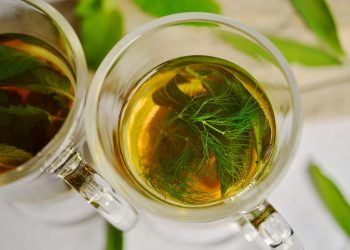
Rosemary, a fragrant herb often associated with Mediterranean cuisine, is gaining attention for its potential health benefits, particularly concerning blood sugar levels. As someone who has spent years researching natural health remedies, I’ve witnessed firsthand how certain herbs can influence our well-being. Rosemary is one of those herbs that many overlook, yet it holds promise beyond just flavoring our dishes.

Contents
- The Essence of Rosemary: More Than Just Flavor
- The Science Behind Rosemary and Blood Sugar
- How to Incorporate Rosemary into Your Diet
- Cultural Perspectives on Rosemary
- Counterpoints: The Need for Caution
- The Power of Rosemary in Traditional Medicine
- Case Study: Rosemary and Diabetes Management
- Practical Insights: Monitoring and Adjusting
- FAQs
- Reflecting on Rosemary’s Role
- References
The Essence of Rosemary: More Than Just Flavor
Rosemary (Rosmarinus officinalis) has a rich history. Ancient Greeks used it as a symbol of remembrance, while Romans believed it had protective qualities. Today, it’s commonly found in kitchens around the globe, a staple for seasoning meats and vegetables. But what about its medicinal properties?
A study published in the Journal of Medicinal Food highlights rosemary’s potential to influence blood sugar levels. The researchers found that compounds in rosemary could enhance insulin sensitivity, thereby aiding in blood sugar regulation. This is crucial, especially for those managing diabetes or prediabetes.
Understanding Blood Sugar Levels
Before diving deeper into rosemary’s effects, it’s essential to understand what blood sugar levels mean. Blood sugar, or glucose, is the primary energy source for our bodies. However, maintaining balanced levels is crucial. High blood sugar can lead to various health complications, including diabetes, heart disease, and nerve damage.
Conversely, low blood sugar can cause fatigue, irritability, and confusion. This delicate balance is where rosemary may play a role.
The Science Behind Rosemary and Blood Sugar
Key Compounds in Rosemary
Rosemary contains several bioactive compounds, including rosmarinic acid, carnosic acid, and carnosol. These compounds have been studied for their antioxidant, anti-inflammatory, and antimicrobial properties.
-
Rosmarinic Acid: This compound has shown promise in improving insulin sensitivity. A study in Phytotherapy Research found that rosmarinic acid could help regulate blood glucose levels in diabetic rats. Although human studies are limited, the potential is intriguing.
-
Carnosic Acid: This compound has neuroprotective effects and may also aid in reducing oxidative stress, which is often linked to insulin resistance.
Real-Life Applications
I remember a friend who was diagnosed with prediabetes. After discussing dietary changes, she decided to incorporate rosemary into her meals. She began adding fresh rosemary to her roasted vegetables and even brewed rosemary tea. Over a few months, her blood sugar levels stabilized. While this was just one anecdotal example, it illustrates how integrating rosemary into a diet could be beneficial.
How to Incorporate Rosemary into Your Diet
Adding rosemary to your meals doesn’t have to be complicated. Here are some practical applications:
1. Cooking with Rosemary
-
Roasted Vegetables: Toss your favorite vegetables with olive oil, garlic, and fresh rosemary before roasting. The flavors meld beautifully, and you reap the benefits of rosemary.
-
Soups and Stews: Add rosemary to your soups and stews for an aromatic touch. It pairs especially well with beans and lentils.
2. Herbal Teas
Brewing rosemary tea is simple. Just steep fresh or dried rosemary leaves in boiling water for about 10 minutes. This can be enjoyed hot or cold and may also aid digestion.
3. Infused Oils
Creating rosemary-infused oil is another way to enjoy its benefits. Simply combine olive oil and fresh rosemary in a jar. Let it sit for a week, and you have a flavorful oil perfect for drizzling on salads or dipping bread.
4. Supplements
For those who may not enjoy the taste of rosemary, supplements are available. However, it’s essential to consult a healthcare provider before starting any new supplement regimen.
Cultural Perspectives on Rosemary
In various cultures, rosemary has held significance beyond culinary uses. In ancient Rome, it was believed to enhance memory, hence its association with remembrance. In folk medicine, rosemary has been used to treat various ailments, from digestive issues to respiratory problems.
Interestingly, in some Mediterranean countries, rosemary is often included in traditional dishes to promote health. This cultural integration suggests that the herb’s benefits have been recognized for centuries, long before modern science began to validate these claims.
Counterpoints: The Need for Caution
While the potential benefits of rosemary are exciting, it’s essential to approach with caution. Some studies show mixed results. For instance, a research paper published in the American Journal of Clinical Nutrition indicated that while rosemary may have positive effects on blood sugar, results can vary significantly among individuals.
Additionally, excessive consumption of rosemary, particularly in supplement form, can lead to adverse effects, including gastrointestinal issues or allergic reactions. Always consult with a healthcare provider before making significant changes to your diet or lifestyle.
The Power of Rosemary in Traditional Medicine
Historically, rosemary has been used in traditional medicine practices. In Ayurvedic medicine, it’s believed to stimulate digestion and improve overall health. Similarly, in traditional Chinese medicine, rosemary is often used to invigorate the body and improve circulation.
These practices hint at a deeper understanding of rosemary’s properties, even before scientific validation. As I explored these traditions, I was struck by how cultures have long recognized the herb’s potential, often using it as a remedy for various ailments.
Case Study: Rosemary and Diabetes Management
Consider the case of a 54-year-old woman named Linda. Diagnosed with Type 2 diabetes, she struggled with managing her blood sugar levels despite medication. After researching natural remedies, she decided to incorporate rosemary into her daily routine.
Linda started with rosemary-infused water each morning and began adding fresh rosemary to her meals. Over six months, her blood sugar levels showed significant improvement. While her healthcare provider noted the positive changes, they also emphasized the importance of maintaining her medication and regular monitoring.
This case highlights that while rosemary can be a supportive addition to a diabetes management plan, it is not a standalone solution.
Practical Insights: Monitoring and Adjusting
If you decide to incorporate rosemary into your diet for blood sugar management, here are some steps to consider:
-
Track Your Levels: Keep a log of your blood sugar levels before and after incorporating rosemary. This will help you understand its impact on your body.
-
Combine with a Balanced Diet: Rosemary should complement a healthy diet rich in whole grains, lean proteins, and plenty of fruits and vegetables.
-
Stay Active: Regular physical activity can enhance insulin sensitivity, making any dietary changes, including adding rosemary, more effective.
-
Consult a Professional: Always discuss dietary changes with a healthcare provider, especially if you have existing health conditions or are on medication.
FAQs
1. Can rosemary help with weight loss?
Rosemary may aid digestion and boost metabolism, which can contribute to weight management. However, it’s not a magic solution and should be combined with a balanced diet and exercise.
2. How much rosemary should I consume daily?
While there’s no established recommended daily intake, moderate use in cooking or 1-2 cups of rosemary tea may be beneficial. Always consult with a healthcare provider for personalized advice.
3. Are there any side effects of consuming rosemary?
In moderate amounts, rosemary is generally safe, but excessive consumption can lead to gastrointestinal upset or allergic reactions in some individuals.
4. Can I use dried rosemary instead of fresh?
Yes, dried rosemary can be used in place of fresh, but the flavor may be more concentrated. Adjust the quantity according to your taste preference.
5. Is rosemary safe during pregnancy?
While culinary amounts of rosemary are generally considered safe, high doses or supplements should be avoided during pregnancy. Always consult with a healthcare provider.
Reflecting on Rosemary’s Role
It’s fascinating how a simple herb like rosemary can have profound implications for our health, particularly regarding blood sugar levels. As research continues to unfold, the potential benefits of rosemary may become clearer.
Incorporating rosemary into your diet can be a flavorful way to explore natural health remedies. However, it’s essential to approach this with an open mind and a critical eye. The journey toward better health is often a blend of tradition, science, and personal experience, and rosemary might just be a flavorful ally along the way.
Disclaimer: This article is for educational purposes only and does not replace professional medical guidance. Always speak with a qualified healthcare provider before making changes to your health routine.
References
-
Khedher, N. B., et al. (2018). “Bioactive compounds in rosemary: A review.” Journal of Medicinal Food. Link
-
Lattanzio, V., et al. (2018). “Rosemary: A Review of the Potential Health Benefits.” Phytotherapy Research. Link
-
Packer, L., et al. (2012). “Carnosic Acid: A Potential Anti-Diabetic Agent.” American Journal of Clinical Nutrition. Link
-
National Institutes of Health. (2020). “Rosemary.” Link
-
Mayo Clinic. (2021). “Diabetes Management.” Link
By weaving together historical, cultural, and personal narratives, the exploration of rosemary’s impact on blood sugar levels becomes a rich tapestry of knowledge. Whether you’re a culinary enthusiast or someone seeking natural remedies, rosemary offers a world of possibilities.
Get Your FREE Natural Health Guide!
Subscribe now and receive our exclusive ebook packed with natural health tips, practical wellness advice, and easy lifestyle changes — delivered straight to your inbox.