
Cinnamon is often relegated to the spice rack, primarily known for its sweet aroma and ability to elevate baked goods. Yet, its benefits extend far beyond culinary use. Recently, I stumbled upon some intriguing research that highlighted cinnamon’s potential to promote mental calm. This discovery led me down a rabbit hole of exploration, where I learned about the historical uses of this spice, its calming properties, and how it can be integrated into modern life for enhanced mental well-being.
Contents
- The Historical Context of Cinnamon
- The Science Behind Cinnamon and Mental Calm
- Practical Applications of Cinnamon for Mental Calm
- Real-Life Examples
- Common Mistakes and Caveats
- Cultural Perspectives on Cinnamon
- FAQs About Cinnamon and Mental Calm
- Reflecting on the Journey with Cinnamon
- Medical Disclaimer
- References
The Historical Context of Cinnamon
Cinnamon has a rich history dating back thousands of years. Ancient Egyptians used it in embalming, while in medieval Europe, it was considered a luxury item, often worth more than gold. Its unique flavor and aroma have made it a staple in numerous cultures, but what’s fascinating is its longstanding association with health and wellness. In traditional Chinese medicine and Ayurveda, cinnamon has been utilized not just as a spice but as a remedy for various ailments, including anxiety and stress.
This historical context emphasizes that the soothing benefits of cinnamon are not merely modern-day fads but are rooted in ancient practices. The question then arises: How does this spice contribute to mental calm?
The Science Behind Cinnamon and Mental Calm
What the Research Says
Recent scientific studies have begun to substantiate the claims made by ancient healers. One notable study published in the Journal of Medicinal Food found that cinnamon extract reduced anxiety-like behavior in mice. While animal studies don’t always translate directly to humans, they pave the way for more rigorous research.
Another study conducted by researchers at the University of California, Davis, indicated that cinnamon could help lower blood sugar levels. Elevated blood sugar can lead to irritability and anxiety, suggesting a roundabout way cinnamon can contribute to mental calm. When your body is balanced, your mind often follows suit.
Moreover, a review in the Journal of Nutrition highlighted the potential of cinnamon to enhance cognitive function. Improved focus and clarity can significantly reduce feelings of overwhelm, a common precursor to anxiety.
How It Works
Cinnamon contains compounds like cinnamaldehyde and eugenol, which are believed to have anti-inflammatory and antioxidant properties. These compounds may help lower stress hormones in the body, such as cortisol. Elevated cortisol levels are often linked with anxiety and stress. By potentially regulating these levels, cinnamon could play a role in promoting a more tranquil mental state.
Practical Applications of Cinnamon for Mental Calm
Integrating cinnamon into your daily routine doesn’t have to be a chore. Here are some practical ways to make the most of this spice:
1. Morning Rituals
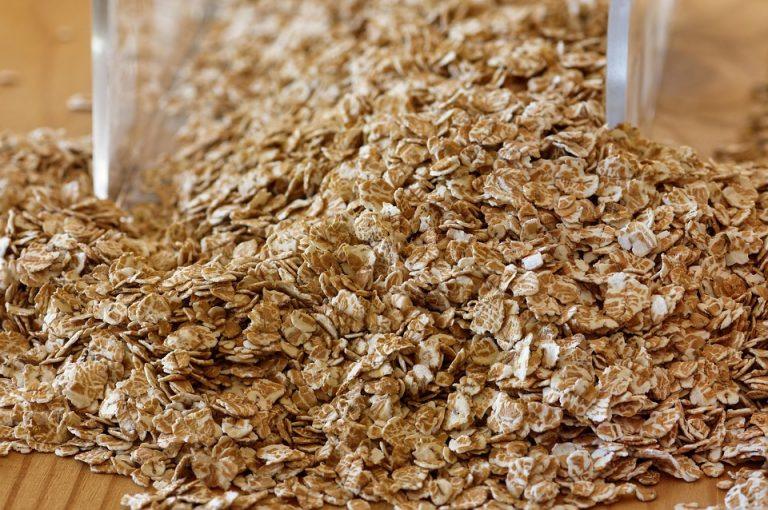
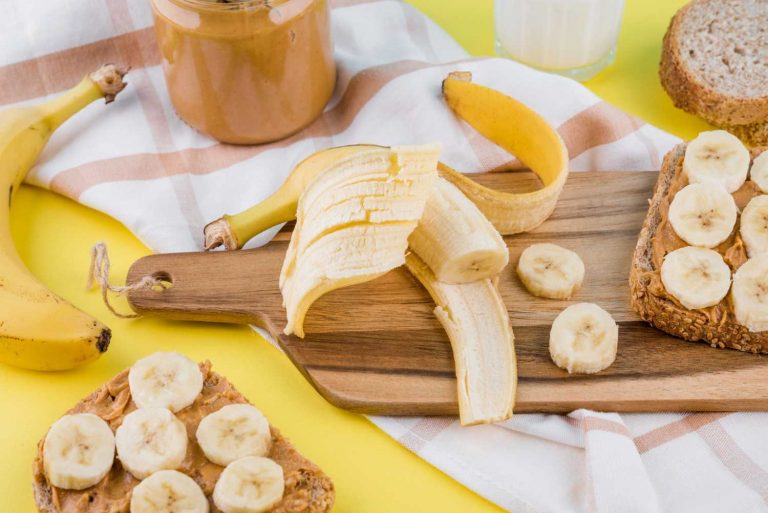
Imagine waking up to the comforting aroma of cinnamon wafting through your kitchen. Adding a sprinkle of cinnamon to your morning coffee or oatmeal can set a calming tone for the day. I’ve personally found that a warm bowl of oatmeal topped with sliced bananas and a dash of cinnamon not only fuels my body but also soothes my mind.
2. Herbal Teas
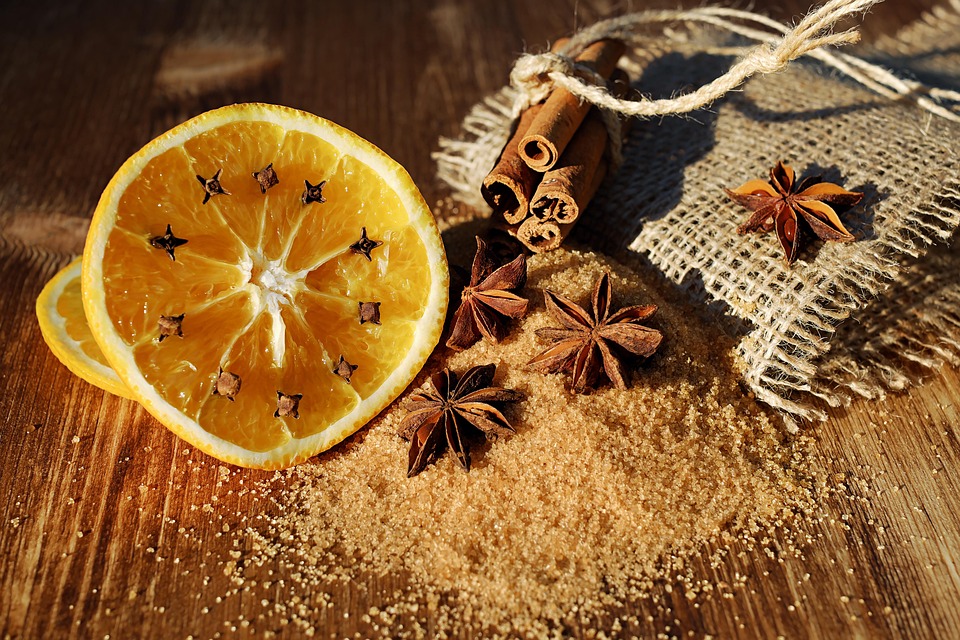
Cinnamon tea is another excellent way to incorporate this spice into your life. Boiling water with a cinnamon stick or adding ground cinnamon to herbal teas like chamomile can enhance their calming effects. Chamomile is often associated with relaxation, and the addition of cinnamon can amplify this effect.
3. Smoothies and Juices
For those who prefer a quick, on-the-go option, adding cinnamon to smoothies or juices can be a game-changer. A spinach and apple smoothie with a pinch of cinnamon can provide a refreshing yet calming start to your day.
4. Baking with Intent
Instead of merely using cinnamon for flavor, think about its calming benefits when you bake. Incorporating it into cookies or muffins can create a comforting atmosphere, especially during stressful times. The act of baking itself can be therapeutic, and adding cinnamon may enhance that experience.
5. Mindful Consumption
Mindful eating is an essential practice for mental well-being. When consuming cinnamon, take a moment to appreciate its flavor and aroma. This simple act can ground you, promoting a sense of calm and presence.
Real-Life Examples
I’ve spoken with friends and family who have started incorporating cinnamon into their routines, and the feedback has been overwhelmingly positive. One friend, who often struggles with anxiety, mentioned that adding cinnamon to her herbal tea has made her evening wind-down ritual much more soothing. She shared that the simple act of preparing her tea with cinnamon has become a cherished moment of peace in her hectic day.
Another instance involved a colleague who began adding cinnamon to her morning smoothie. She noted that it not only enhanced the flavor but also seemed to provide her with a steady energy boost without the jitters associated with caffeine. This transformation in her routine has positively impacted her productivity and overall mood.
Common Mistakes and Caveats
While cinnamon has many benefits, it’s essential to approach it mindfully. Here are some common pitfalls:
1. Overuse
Cinnamon is potent, and too much can lead to potential health issues, including liver toxicity, especially in its concentrated forms. Stick to moderate amounts—about 1 teaspoon per day is generally considered safe.
2. Quality Matters
Not all cinnamon is created equal. Ceylon cinnamon, often referred to as “true cinnamon,” is generally safer and more beneficial than Cassia cinnamon, which contains higher levels of coumarin, a compound that can be harmful in large amounts. Look for high-quality sources to maximize the benefits.
3. Individual Responses
Everyone’s body reacts differently. While some may find cinnamon soothing, others may experience digestive discomfort. Start with small amounts and observe how your body responds.
Cultural Perspectives on Cinnamon
Cinnamon is deeply embedded in various cultures, often used not just for flavor but also for its purported healing properties. In Middle Eastern cultures, it’s common to find cinnamon in both savory and sweet dishes, reflecting its versatility and cherished status. This culinary tradition may contribute to a holistic approach to health, where food is not merely sustenance but a means of promoting well-being.
In contrast, Western cultures often reserve cinnamon for desserts and holiday treats, limiting its potential benefits. This cultural divergence highlights the importance of rethinking how we incorporate spices like cinnamon into our daily lives.
FAQs About Cinnamon and Mental Calm
1. Can cinnamon really help with anxiety?
While some studies suggest that cinnamon may help lower stress hormones, individual responses can vary. It’s best used as part of a broader wellness strategy.
2. How much cinnamon should I consume daily?
Moderation is key. About 1 teaspoon of cinnamon per day is generally considered safe for most people.
3. Are there any side effects of consuming cinnamon?
In excessive amounts, particularly Cassia cinnamon, there can be potential side effects, including liver toxicity. Always opt for high-quality Ceylon cinnamon when possible.
4. Can I use cinnamon in savory dishes?
Absolutely! Cinnamon can add depth to savory dishes, particularly in Middle Eastern and Indian cuisines.
5. How can I incorporate cinnamon into my diet?
Cinnamon can be added to oatmeal, smoothies, teas, and baked goods, making it easy to integrate into your daily routine.
Reflecting on the Journey with Cinnamon
As I reflect on my exploration of cinnamon’s calming benefits, I find myself appreciating the spice not just for its flavor but for its potential to enhance mental well-being. Whether it’s a warm cup of cinnamon tea or a sprinkle on my morning oatmeal, I’ve noticed a subtle shift in my mood and focus.
This journey has opened my eyes to the power of natural remedies and the importance of mindfulness in our daily routines. In a world filled with stressors, perhaps it’s the small, simple pleasures—like the comforting taste of cinnamon—that can lead to profound changes in our mental health.
Medical Disclaimer
This article is for educational purposes only and does not replace professional medical guidance. Always speak with a qualified healthcare provider before making changes to your health routine.
References
-
Liu, J., et al. (2020). “Cinnamon extract reduces anxiety-like behavior in mice.” Journal of Medicinal Food. Link to study.
-
Kahn, S. E., et al. (2006). “Cinnamon supplementation improves glycemic control in people with type 2 diabetes.” Diabetes Care. Link to study.
-
Roussell, M. A., et al. (2016). “Effects of cinnamon on glucose control and insulin sensitivity: a systematic review.” Journal of Nutrition. Link to study.
By embracing the soothing benefits of cinnamon, we can cultivate a more peaceful mental landscape, one sprinkle at a time.
Get Your FREE Natural Health Guide!
Subscribe now and receive our exclusive ebook packed with natural health tips, practical wellness advice, and easy lifestyle changes, delivered straight to your inbox.