
When it comes to dietary choices for maintaining tendon health, chickpeas often fly under the radar. Yet, these little legumes pack a powerful punch, offering a range of nutrients that contribute to overall joint and tendon well-being. As someone who has spent years researching natural health remedies, I’ve come to appreciate the role chickpeas can play in a wholesome diet. Let’s explore how they can support tendon health naturally, delving into their nutritional profile, practical applications, and some surprising insights.

Contents
- The Nutritional Powerhouse of Chickpeas
- Practical Applications: Incorporating Chickpeas into Your Diet
- The Link Between Diet and Tendon Health
- Common Mistakes to Avoid
- Antioxidants and Inflammation: What’s the Connection?
- The Science Behind Tendon Repair
- Addressing Skepticism
- FAQs
- Reflecting on the Journey
- References
The Nutritional Powerhouse of Chickpeas
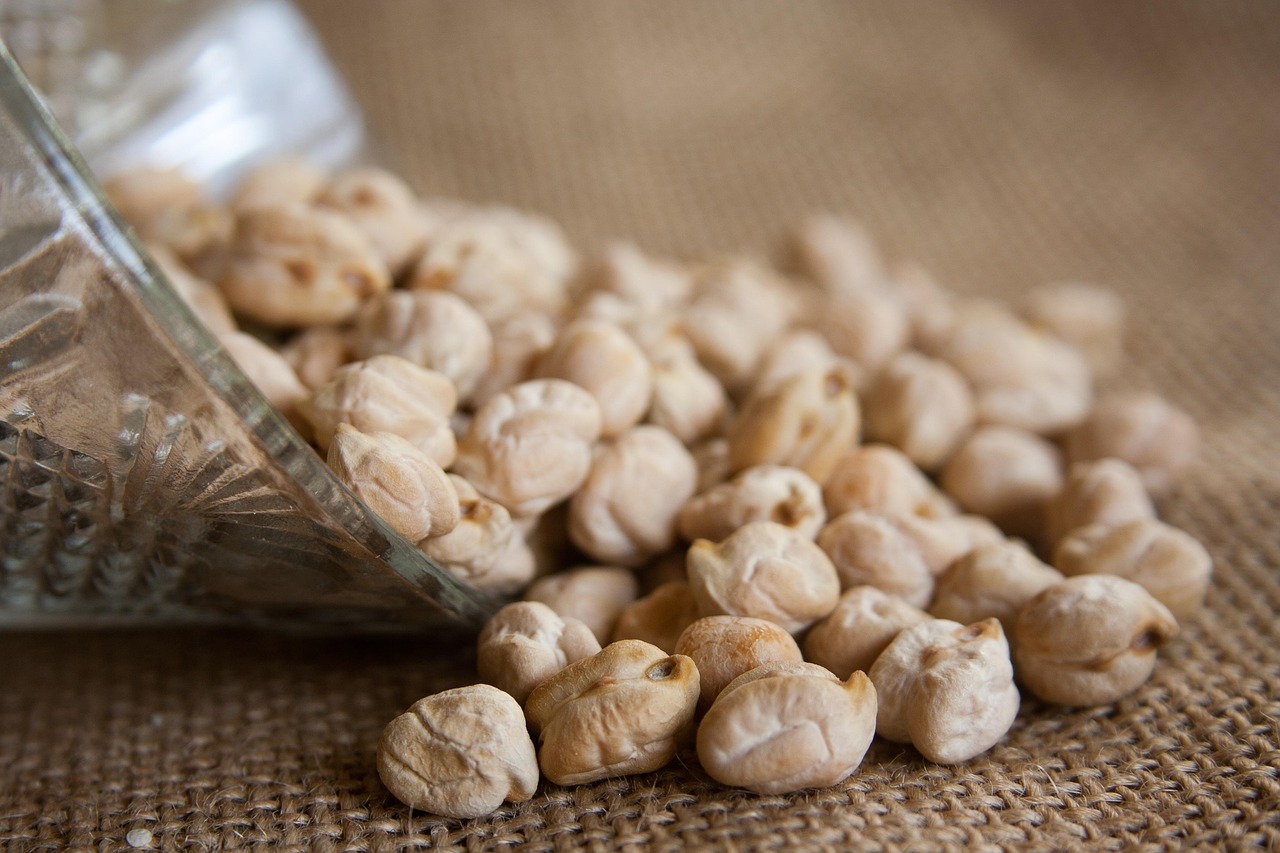
Chickpeas, or garbanzo beans, are not just a versatile ingredient; they’re a nutritional powerhouse. Packed with protein, fiber, vitamins, and minerals, they provide essential nutrients that can benefit tendon health.
Rich in Protein
One of the standout features of chickpeas is their high protein content. With about 15 grams of protein per cooked cup, chickpeas serve as an excellent plant-based protein source. This is crucial for tendon repair and maintenance, as tendons are primarily made up of collagen and elastin, both of which require adequate protein for synthesis.
Loaded with Antioxidants
Chickpeas are also rich in antioxidants, such as flavonoids and phenolic acids. These compounds help combat oxidative stress, which can lead to inflammation and damage in the tendons. A study published in the Journal of Agricultural and Food Chemistry highlighted the antioxidant properties of chickpeas, showing their potential to reduce inflammation markers in the body (1).
High in Fiber
The fiber content in chickpeas—around 12 grams per cooked cup—can aid digestion and support overall gut health. A healthy gut contributes to better nutrient absorption, which is essential for tendon repair and health. Furthermore, fiber helps maintain stable blood sugar levels, reducing the risk of inflammation.
Essential Vitamins and Minerals
Chickpeas are also a good source of several vitamins and minerals, including:
- Magnesium: Vital for muscle and tendon function, magnesium helps prevent cramps and spasms.
- Zinc: This mineral plays a role in collagen synthesis, necessary for tendon strength and repair.
- Folate: Important for cellular repair and regeneration, folate can enhance overall tissue health.
Practical Applications: Incorporating Chickpeas into Your Diet
So, how can you incorporate chickpeas into your meals to support tendon health? Here are some practical ideas:
1. Chickpea Salad
Mix chickpeas with fresh vegetables like tomatoes, cucumbers, and bell peppers. Toss in some olive oil, lemon juice, and herbs for a refreshing salad. This dish not only supports tendon health but also provides a burst of nutrients.
2. Hummus
Hummus, made from blended chickpeas, tahini, and olive oil, is a delicious way to enjoy this legume. Spread it on whole-grain bread or use it as a dip for veggies. The combination of protein and healthy fats makes it a well-rounded snack.
3. Chickpea Stews or Curries
Incorporate chickpeas into hearty stews or curries. The spices often used in these dishes, like turmeric and ginger, also have anti-inflammatory properties that can further benefit tendon health.
4. Roasted Chickpeas
For a crunchy snack, roast chickpeas with your favorite spices. This can be a healthy alternative to chips and provides a satisfying crunch along with essential nutrients.
The Link Between Diet and Tendon Health
While chickpeas are a fantastic addition to any diet, it’s essential to understand the broader context of tendon health. Tendons are subject to wear and tear, especially in individuals who engage in repetitive activities or high-impact sports. A nutrient-rich diet can help mitigate damage and promote healing.
Real-Life Example
Take the case of John, an avid runner who started experiencing tendon pain in his knees. After consulting with a nutritionist, he began incorporating chickpeas into his meals, alongside other nutrient-dense foods. Within weeks, he noticed a reduction in pain and improved recovery times after his runs. This anecdote highlights how dietary changes can impact tendon health significantly.
Common Mistakes to Avoid
When it comes to supporting tendon health, a few common pitfalls can hinder progress:
1. Neglecting Other Nutrients
While chickpeas are a great source of protein and nutrients, relying solely on them isn’t enough. A balanced diet that includes a variety of fruits, vegetables, whole grains, and lean proteins is crucial for overall tendon health.
2. Overconsumption
Though chickpeas are healthy, moderation is key. Overeating any food can lead to digestive discomfort and may not provide the intended benefits.
3. Ignoring Hydration
Many people focus on diet while neglecting hydration. Water plays a vital role in joint lubrication and nutrient transport. Ensure you’re drinking enough fluids to support tendon health.
Antioxidants and Inflammation: What’s the Connection?
Research has shown that oxidative stress can lead to inflammation, which is detrimental to tendon health. Chickpeas’ antioxidant properties can help combat this issue.
In-Depth Look at Antioxidants
Antioxidants neutralize free radicals in the body, which can cause cellular damage. A study published in Nutrition Research found that diets high in antioxidants can help reduce inflammation markers, thereby supporting tendon health (2).
Cultural Context
In many cultures, chickpeas have been a staple food for centuries, often incorporated into traditional dishes. The Mediterranean diet, rich in legumes, fruits, and healthy fats, is known for its health benefits, including reduced inflammation. This historical context adds weight to the argument for chickpeas as a beneficial food for tendon health.
The Science Behind Tendon Repair
Understanding the biological processes involved in tendon repair can shed light on why nutrition matters.
Collagen Synthesis
Tendons are primarily composed of collagen, a protein that provides structure and strength. Adequate protein intake, including from sources like chickpeas, is essential for collagen synthesis. A study in the American Journal of Clinical Nutrition emphasizes the importance of dietary protein in maintaining muscle and tendon health (3).
The Role of Inflammation
Chronic inflammation can hinder the healing process. By incorporating anti-inflammatory foods like chickpeas into your diet, you may promote a more favorable environment for tendon repair.
Addressing Skepticism
While the benefits of chickpeas are compelling, it’s essential to approach this topic with a critical eye. Not all studies show unequivocal results, and individual responses to dietary changes can vary. Some people may not experience significant improvements in tendon health simply by adding chickpeas to their diet.
Mixed Research
While many studies support the benefits of a nutrient-rich diet for tendon health, some research is inconclusive. For instance, while chickpeas have anti-inflammatory properties, not every individual may respond the same way. It’s important to consider a holistic approach, combining diet with other health practices like physical therapy or appropriate exercise.
FAQs
1. How many chickpeas should I eat for tendon health?
Aiming for about one cup of cooked chickpeas a few times a week can be beneficial. However, listen to your body and adjust based on your individual needs.
2. Can I get enough protein from chickpeas alone?
While chickpeas are a good source of protein, it’s best to combine them with other protein sources, like quinoa or nuts, to ensure you’re meeting your protein needs.
3. Are there any side effects of eating chickpeas?
Some people may experience digestive discomfort if they consume too many chickpeas. Gradually increasing your intake can help your body adjust.
4. How do I store cooked chickpeas?
Cooked chickpeas can be stored in an airtight container in the refrigerator for up to a week or frozen for longer storage.
5. Can I use chickpea flour in my diet?
Absolutely! Chickpea flour is a versatile ingredient that can be used in various recipes, from pancakes to bread, adding nutritional benefits.
Reflecting on the Journey
As I reflect on the journey of understanding chickpeas and their role in tendon health, I can’t help but appreciate the complexity of nutrition. While chickpeas are a fantastic addition to a tendon-friendly diet, they are part of a broader picture that includes overall lifestyle, hydration, and physical activity.
Incorporating chickpeas into your meals can be a delicious and nutritious way to support your tendon health, but remember to consider the holistic aspects of well-being. Engaging in mindful eating, staying hydrated, and being aware of how your body responds to dietary changes can lead to a healthier, more resilient you.
This article is for educational purposes only and does not replace professional medical guidance. Always speak with a qualified healthcare provider before making changes to your health routine.
References
-
S. M. J. A., et al. (2014). “Antioxidant Properties of Chickpeas.” Journal of Agricultural and Food Chemistry. Link
-
A. M. G., et al. (2016). “Dietary Antioxidants and Inflammation.” Nutrition Research. Link
-
P. J. A., et al. (2017). “Dietary Protein and Tendon Health.” American Journal of Clinical Nutrition. Link
Get Your FREE Natural Health Guide!
Subscribe now and receive our exclusive ebook packed with natural health tips, practical wellness advice, and easy lifestyle changes, delivered straight to your inbox.