
Contents
- Introduction: A Personal Journey into Gut Health
- Understanding Gut Health: Why It Matters
- Fermented Drinks: The Power of Probiotics
- Herbal Teas: Nature’s Soothing Elixirs
- Vegetable Juices: Nutrient-Packed Hydration
- Smoothies: A Nutrient Powerhouse
- Water Infusions: Simple Yet Effective
- The Role of Hydration in Gut Health
- FAQs
- Conclusion: Sip, Savor, and Reflect
- References
Introduction: A Personal Journey into Gut Health
Growing up, I never thought much about gut health. It was just one of those things that didn’t seem to matter until I hit my thirties. After a series of digestive issues, I began to realize how profoundly our gut affects everything—from mood to immunity. It wasn’t long before I stumbled upon the world of gut-friendly drinks. The idea of sipping my way to wellness intrigued me, and I started experimenting with various concoctions. Some left me feeling rejuvenated, while others were less than pleasant. Through this journey, I’ve learned that the right drinks can truly be a game-changer for gut health.

In this article, we’ll explore a range of gut-friendly beverages, from fermented wonders to soothing herbal teas. Each drink not only supports digestive health but also offers a unique taste experience. Let’s dive into the world of gut-friendly drinks and discover how they can benefit you.
Understanding Gut Health: Why It Matters
Before we get into the drinks, let’s take a moment to understand why gut health is so crucial. The gut, often referred to as the “second brain,” plays a vital role in overall well-being. It houses trillions of bacteria—both good and bad—that influence everything from digestion to mental health.
The Gut-Brain Connection
Did you know that around 90% of serotonin, the “feel-good” hormone, is produced in the gut? A disrupted gut can lead to mood swings, anxiety, and even depression. This connection between gut health and mental well-being underscores the importance of nurturing our digestive systems.
The Role of Microbiota
The gut microbiota, a complex community of microorganisms, is essential for breaking down food, synthesizing vitamins, and protecting against pathogens. A balanced microbiota can enhance nutrient absorption and bolster the immune system. But how do we keep it balanced? Enter gut-friendly drinks.
Fermented Drinks: The Power of Probiotics
1. Kombucha: The Fizzy Wonder
Kombucha, a fermented tea, has gained immense popularity in recent years. It’s rich in probiotics, which are beneficial bacteria that support gut health. I remember the first time I tried it; the effervescence danced on my tongue, and I could feel the vitality seeping into my system.
Benefits
- Probiotics: Helps restore gut flora.
- Antioxidants: Supports overall health by neutralizing free radicals.
Practical Tips
- Start Slowly: If you’re new to kombucha, begin with small amounts to allow your gut to adjust.
- DIY Option: Making your own kombucha can be cost-effective and fun. Just ensure you follow proper hygiene practices.
2. Kefir: The Creamy Delight
Kefir is another fermented drink, often made from milk or water. It boasts a higher probiotic content than yogurt and has a creamy texture that many people find appealing. The first time I had kefir, I was surprised by its tangy flavor—definitely an acquired taste, but worth it.
Benefits
- Diverse Probiotics: Contains multiple strains of beneficial bacteria.
- Digestive Aid: Can help with lactose intolerance.
Cultural Note
Kefir has been consumed for centuries, particularly in Eastern Europe. It’s fascinating how different cultures have their own versions of gut-friendly drinks, each with unique health benefits.
Herbal Teas: Nature’s Soothing Elixirs
3. Ginger Tea: The Digestive Dynamo
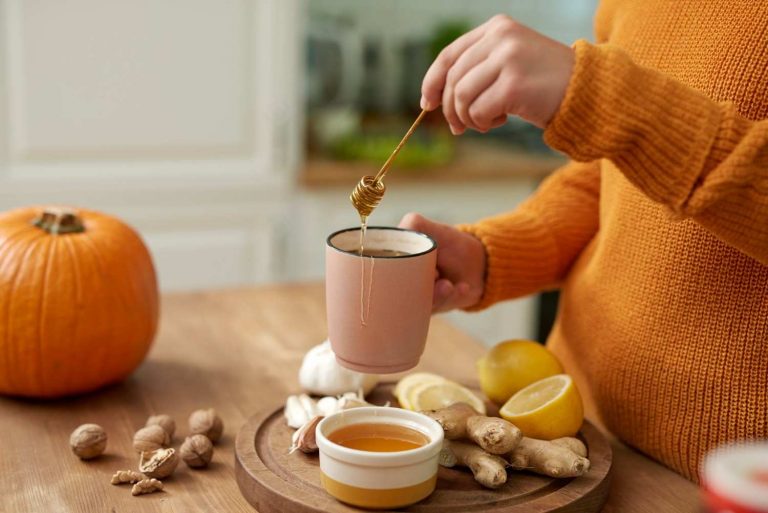
Ginger tea has been a staple in many households for its warming properties and digestive benefits. I often brew a cup when I feel bloated; the warmth and spice seem to soothe my stomach almost instantly.
Benefits
- Anti-inflammatory: Helps reduce inflammation in the gut.
- Digestive Aid: Stimulates digestion and can alleviate nausea.
Practical Application
- Fresh vs. Dried: While both have benefits, fresh ginger tends to pack a more potent punch. Try grating fresh ginger into boiling water for a stronger brew.
4. Peppermint Tea: The Cool Calmer
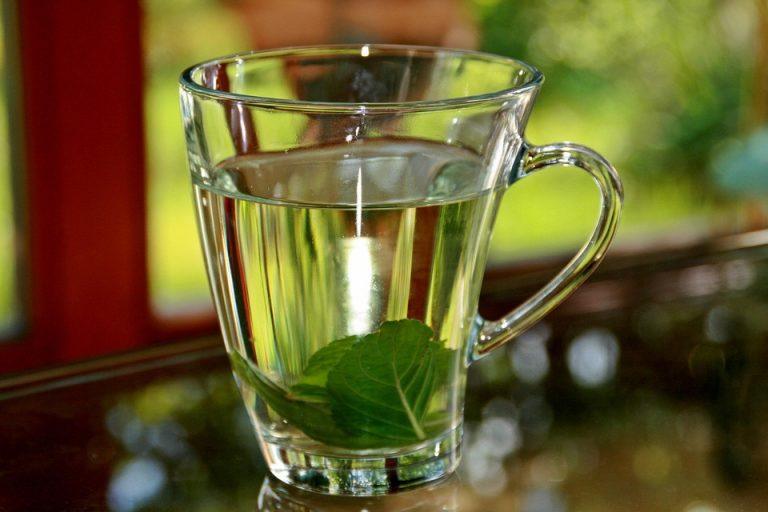
Peppermint tea is another fantastic option for gut health. Its cool, refreshing flavor can help ease digestive discomfort. I’ve found that sipping peppermint tea after meals helps reduce bloating and cramps.
Benefits
- Muscle Relaxant: Helps relax the digestive tract muscles.
- Antispasmodic: Can alleviate symptoms of irritable bowel syndrome (IBS).
Caveat
While peppermint tea is generally safe, those with acid reflux may want to tread carefully, as it can exacerbate symptoms in some individuals.
Vegetable Juices: Nutrient-Packed Hydration
5. Beet Juice: The Blood Builder
Beet juice is not only vibrant in color but also offers a host of health benefits. It’s high in fiber and antioxidants, making it a great addition to any gut-friendly diet. I often blend beets with apples and ginger for a refreshing drink that’s both tasty and nutritious.
Benefits
- Prebiotic Fiber: Supports the growth of good bacteria in the gut.
- Detoxification: Aids in liver function, which is essential for overall health.
Practical Tip
Opt for freshly juiced beets rather than store-bought versions, which may contain added sugars or preservatives.
6. Carrot Juice: The Visionary
Carrot juice is another excellent choice for gut health. Rich in beta-carotene and fiber, it can support digestion while providing a natural sweetness. I love adding a splash of lemon juice to brighten the flavor.
Benefits
- High in Fiber: Promotes regular bowel movements.
- Vitamin A: Supports immune function and gut lining health.
Smoothies: A Nutrient Powerhouse
7. Green Smoothies: The Leafy Elixir
Green smoothies have taken the health world by storm, and for good reason. Packed with leafy greens, fruits, and seeds, they’re a fantastic way to boost your nutrient intake and support gut health. I often blend spinach, banana, and chia seeds for a creamy, nutrient-dense drink.
Benefits
- Fiber-Rich: Promotes healthy digestion.
- Antioxidants: Helps combat oxidative stress.
Practical Insight
Try to include a variety of greens in your smoothies to maximize nutrient diversity. Spinach, kale, and Swiss chard all offer unique benefits.
8. Avocado Smoothies: The Creamy Indulgence
Avocado smoothies might sound unusual, but they offer a creamy texture and healthy fats that are great for gut health. I often blend avocado with coconut milk and a little honey for a deliciously rich drink.
Benefits
- Healthy Fats: Supports the absorption of fat-soluble vitamins.
- Fiber: Aids in digestion and promotes satiety.
Water Infusions: Simple Yet Effective
9. Lemon Water: The Zesty Detox
Lemon water is one of the simplest gut-friendly drinks you can make. Just squeeze fresh lemon juice into a glass of water, and you’re good to go. The zesty flavor is refreshing, and I often drink it first thing in the morning.
Benefits
- Hydration: Crucial for digestive health.
- Vitamin C: Supports immune function and skin health.
10. Cucumber Water: The Refreshing Hydrator
Cucumber water is another delightful option. It’s not only hydrating but also helps flush out toxins. I love infusing my water with slices of cucumber and mint for a refreshing twist.
Benefits
- Low-Calorie: A great alternative to sugary drinks.
- Hydration: Essential for maintaining digestive function.
The Role of Hydration in Gut Health
While we often focus on what we eat, hydration is just as important for gut health. Drinking enough water helps maintain the mucosal lining of the intestines and supports the digestion of food. I’ve noticed that when I’m well-hydrated, my digestive issues tend to lessen.
FAQs
1. What are some signs of an unhealthy gut?
Common signs include bloating, gas, food intolerances, fatigue, and mood swings. If you notice these symptoms frequently, it may be worth consulting a healthcare professional.
2. Can I drink these gut-friendly beverages daily?
Absolutely! Many of these drinks can be enjoyed daily, but it’s wise to listen to your body. If something doesn’t sit well, adjust accordingly.
3. Are there any risks associated with fermented drinks?
Some individuals may experience bloating or discomfort when first introducing fermented drinks. It’s best to start slowly and consult a healthcare provider if you have concerns.
4. How can I incorporate more fiber into my diet?
In addition to drinking smoothies and juices, consider adding whole grains, legumes, fruits, and vegetables to your meals.
5. What should I avoid for better gut health?
Limit processed foods, excessive sugar, and artificial sweeteners, as they can disrupt gut flora.
Conclusion: Sip, Savor, and Reflect
As I reflect on my journey toward better gut health, I’m amazed at how simple changes—like sipping on kombucha or ginger tea—can make such a significant impact. Each drink offers a unique flavor and health benefit, contributing to a more balanced microbiome.
While some of these drinks may not resonate with everyone, the key is to experiment and find what works for you. As we continue to learn more about the gut and its connection to overall health, it’s exciting to think about the myriad possibilities that lie ahead. So, why not raise a glass to your health and explore the world of gut-friendly drinks? Your body might just thank you for it.
This article is for educational purposes only and does not replace professional medical guidance. Always speak with a qualified healthcare provider before making changes to your health routine.
References
-
O’Toole, P.W., & Jeffery, I.B. (2015). Gut microbiota in health and disease. Nature Reviews Gastroenterology & Hepatology, 12(10), 607-615. Link
-
Roberfroid, M.B. (2007). Prebiotics: the concept revisited. The Journal of Nutrition, 137(3), 830S-837S. Link
-
Muthusamy, V., & Muthusamy, S. (2020). Fermented foods: A boon for gut health. Frontiers in Microbiology, 11, 501. Link
Get Your FREE Natural Health Guide!
Subscribe now and receive our exclusive ebook packed with natural health tips, practical wellness advice, and easy lifestyle changes, delivered straight to your inbox.