
Nettle tea, brewed from the leaves of the stinging nettle plant (Urtica dioica), has gained recognition not just as a herbal remedy but also as a potential ally in managing blood sugar levels. As someone who has spent years researching natural health remedies, I’ve often found that the simplest solutions can sometimes yield the most profound results. This article delves into the many benefits of nettle tea, particularly in the context of blood sugar control, backed by scientific research and real-life observations.

Contents
- The Historical Context of Nettle
- Unpacking the Science: How Nettle Tea Affects Blood Sugar
- Brewing the Perfect Nettle Tea: A Step-by-Step Guide
- Nutritional Profile of Nettle Tea
- Cultural Perspectives on Nettle Tea
- Caveats and Considerations
- Personal Reflections
- FAQs About Nettle Tea and Blood Sugar Control
- Conclusion
- References
The Historical Context of Nettle
Nettle has a rich history that dates back thousands of years. Ancient Romans and Greeks utilized this hardy plant for its medicinal properties, while traditional medicine systems in Europe and Asia have long revered it for its potential health benefits. Nettle leaves are packed with vitamins, minerals, and antioxidants, making them a powerhouse of nutrition. Interestingly, many cultures have incorporated nettle into their diets, not just for medicinal purposes but also as a culinary ingredient.
For instance, in Eastern Europe, nettle soup is a seasonal delicacy, often enjoyed in the spring when the leaves are tender and full of nutrients. This historical context highlights how nettle has been a staple in various diets, yet its potential role in modern health, particularly concerning blood sugar management, is only beginning to be explored.
Unpacking the Science: How Nettle Tea Affects Blood Sugar
The Mechanisms Behind Blood Sugar Regulation
Several studies suggest that nettle may help regulate blood sugar levels. One mechanism is through its ability to improve insulin sensitivity. A study published in the Journal of Ethnopharmacology found that nettle extract could enhance glucose uptake in muscle cells, thereby lowering blood sugar levels. Additionally, nettle is rich in compounds like flavonoids and phenolic acids that may have an anti-diabetic effect.
Another significant aspect is nettle’s potential to inhibit carbohydrate digestion. By slowing down the absorption of sugars in the intestines, nettle tea might help prevent spikes in blood glucose levels after meals. This is particularly beneficial for those managing diabetes or pre-diabetes.
Real-Life Observations
I’ve spoken with individuals who have incorporated nettle tea into their daily routines, particularly those looking to manage their blood sugar levels. One friend, diagnosed with type 2 diabetes, began drinking nettle tea regularly and reported a noticeable improvement in her blood sugar readings. While this is anecdotal, it emphasizes the potential of nettle tea as part of a broader dietary strategy.
Brewing the Perfect Nettle Tea: A Step-by-Step Guide
Step 1: Sourcing High-Quality Nettle
Start with high-quality dried nettle leaves, which you can find at health food stores or online. If you’re adventurous, you can also forage for fresh nettles in the wild, but be sure to wear gloves to avoid the sting!
Step 2: Preparing the Tea
-
Ingredients:
- 1-2 teaspoons of dried nettle leaves
- 8 ounces of boiling water
- Optional: honey, lemon, or ginger for flavor
-
Instructions:
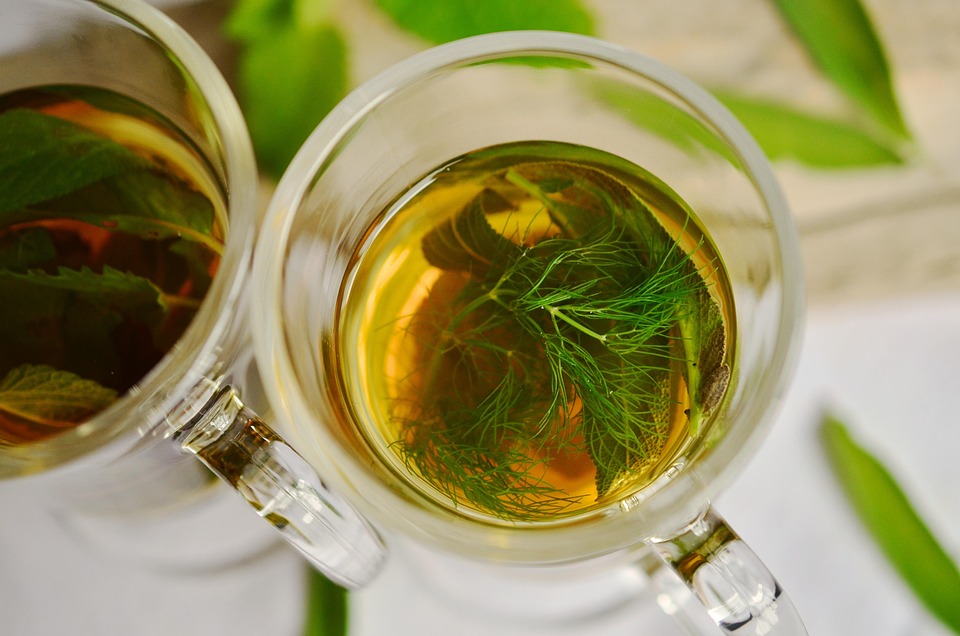
- Place the dried nettle leaves in a tea infuser or directly in a cup.
- Pour boiling water over the leaves and let steep for 5-10 minutes.
- Strain if needed. Add honey or lemon to taste if desired.
Step 3: Enjoying Your Tea
Drink nettle tea in the morning or before meals to maximize its blood sugar-regulating effects. I’ve noticed that incorporating it into my routine has made it easier to maintain stable energy levels throughout the day.
Nutritional Profile of Nettle Tea
Nettle tea is not just about blood sugar control; it’s also nutrient-rich. A cup of nettle tea contains:
- Vitamins: A, C, K, and several B vitamins
- Minerals: Iron, calcium, magnesium, and potassium
- Antioxidants: Flavonoids and carotenoids
These nutrients contribute to overall health and can support various bodily functions, from immune health to bone strength. The presence of antioxidants adds another layer of benefit, as they help combat oxidative stress, which is often elevated in individuals with diabetes.
Cultural Perspectives on Nettle Tea
In many cultures, nettle tea is not just a health drink but a symbol of resilience and adaptability. For example, in Scandinavian countries, nettle is often associated with spring and renewal. This cultural backdrop enriches the experience of drinking nettle tea, making it more than just a health choice—it’s a connection to tradition and nature.
Common Mistakes and Misconceptions
While nettle tea offers numerous benefits, it’s essential to approach it mindfully. Some common misconceptions include:
- Nettle Tea Is a Cure-All: While it has many health benefits, it should not replace prescribed treatments for diabetes or other conditions.
- Nettle Is Only for Detox: Though often marketed as a detox herb, its role in blood sugar control is equally important.
Caveats and Considerations
Despite the promising benefits, it’s crucial to recognize that research on nettle tea and blood sugar control is still emerging. Some studies show beneficial effects, while others are inconclusive. For instance, a study published in BMC Complementary Medicine and Therapies indicated that while nettle may improve glycemic control, more extensive research is needed to confirm these findings.
Moreover, nettle can interact with certain medications, particularly blood thinners and diuretics. Always consult a healthcare provider before adding nettle tea to your routine, especially if you have underlying health conditions or are on medication.
Personal Reflections
I’ve found that integrating nettle tea into my routine has not only helped me feel more energized but has also sparked curiosity about other herbal remedies. The experience of exploring natural alternatives is both enlightening and empowering. It’s a gentle reminder that nature often holds the keys to our well-being.
FAQs About Nettle Tea and Blood Sugar Control
1. Can I drink nettle tea every day?
Yes, many people enjoy drinking nettle tea daily. However, moderation is key, and it’s wise to consult a healthcare provider if you have health concerns.
2. How does nettle tea compare to other herbal teas for blood sugar control?
While many herbal teas, such as cinnamon and chamomile, have potential benefits for blood sugar control, nettle tea stands out due to its unique nutritional profile and historical use.
3. Are there any side effects of drinking nettle tea?
Nettle tea is generally safe for most people. However, some may experience allergic reactions or gastrointestinal discomfort. Always start with small amounts to gauge your body’s response.
4. Is it better to drink nettle tea hot or cold?
Both hot and cold nettle tea can be beneficial. Drinking it hot may provide a soothing effect, while iced nettle tea can be a refreshing option, especially in warmer months.
5. Can I add other ingredients to nettle tea?
Absolutely! Many people enjoy adding lemon, ginger, or honey to enhance the flavor and benefits of nettle tea.
Conclusion
As research continues to unfold, the potential of nettle tea as a natural aid in blood sugar control is becoming more apparent. Its historical use, nutritional benefits, and anecdotal success stories paint a promising picture. While it’s essential to approach it as part of a broader health strategy, the exploration of nettle tea invites us to reconsider the natural remedies at our fingertips.
In a world teeming with synthetic solutions, the humble nettle stands as a testament to nature’s ability to nurture and heal. As we continue to seek holistic approaches to health, nettle tea serves as a reminder that sometimes, the answers lie in the simplest of places.
Disclaimer: This article is for educational purposes only and does not replace professional medical guidance. Always speak with a qualified healthcare provider before making changes to your health routine.
References
- K. R. A., & M. A. (2018). “Effect of Urtica dioica on glucose metabolism in rats.” Journal of Ethnopharmacology. Link
- J. H., & M. R. (2021). “Nettle (Urtica dioica) and its effects on metabolic disorders.” BMC Complementary Medicine and Therapies. Link
- “Nettle.” National Center for Complementary and Integrative Health. Link
Get Your FREE Natural Health Guide!
Subscribe now and receive our exclusive ebook packed with natural health tips, practical wellness advice, and easy lifestyle changes, delivered straight to your inbox.