
Contents
- Introduction: A Personal Reflection on Blood Pressure Management
- Understanding Blood Pressure
- The Science Behind Clove and Blood Pressure
- Practical Applications: How to Incorporate Clove Into Your Diet
- Counterpoints: Is Clove a Magic Bullet?
- The Bigger Picture: Lifestyle Changes for Blood Pressure Management
- FAQs About Clove and Blood Pressure
- Conclusion: A Spice for Thought
- Medical Disclaimer
- References
Introduction: A Personal Reflection on Blood Pressure Management
Growing up, I often watched my grandfather struggle with high blood pressure. It wasn’t just a number on a chart; it was a constant source of worry for him and our family. He tried various medications, but there was always a lingering question: were there natural remedies that could help too? Fast forward years later, I found myself diving into the world of natural health remedies and stumbled upon clove, a spice that piqued my interest. Could this humble spice hold the key to managing blood pressure?
Understanding Blood Pressure
Blood pressure is the force exerted by circulating blood against the walls of the body’s arteries. It’s measured in millimeters of mercury (mmHg) and recorded with two numbers: systolic (the pressure when your heart beats) and diastolic (the pressure when your heart rests between beats). A normal reading is typically around 120/80 mmHg, while anything above 130/80 mmHg is classified as hypertension.
According to the American Heart Association, nearly half of all adults in the U.S. have high blood pressure, a condition that can lead to serious health issues like heart disease and stroke. The management of blood pressure often involves lifestyle changes, medication, and, intriguingly, dietary adjustments, including the use of spices like clove.
The Science Behind Clove and Blood Pressure
Clove, known scientifically as Syzygium aromaticum, has been used in traditional medicine for centuries, particularly in Asian cultures. Its potential health benefits are largely attributed to eugenol, a compound found in clove oil. Eugenol possesses anti-inflammatory and antioxidant properties, which may contribute to cardiovascular health.
Research Insights
-
Eugenol’s Effects on Blood Pressure
A study published in the Journal of Clinical Hypertension (2016) examined the effects of eugenol on blood pressure in hypertensive rats. The results showed a significant reduction in both systolic and diastolic blood pressure levels. While animal studies are a good start, human research is needed to confirm these findings definitively. -
Clove’s Antioxidant Properties
A study from the Journal of Medicinal Food (2015) highlighted clove’s high antioxidant capacity, which can combat oxidative stress—an important factor in hypertension. Antioxidants help neutralize free radicals, potentially reducing arterial damage and improving overall cardiovascular health. -
Potential for Inflammation Reduction
Another study in Phytotherapy Research (2017) indicated that eugenol could help reduce inflammation in the body, which is often linked to high blood pressure. Chronic inflammation can lead to the stiffening of arteries, making it harder for blood to flow freely.
Practical Applications: How to Incorporate Clove Into Your Diet
If you’re curious about how to integrate clove into your daily routine, here are some practical ways to do so:
1. Clove Tea
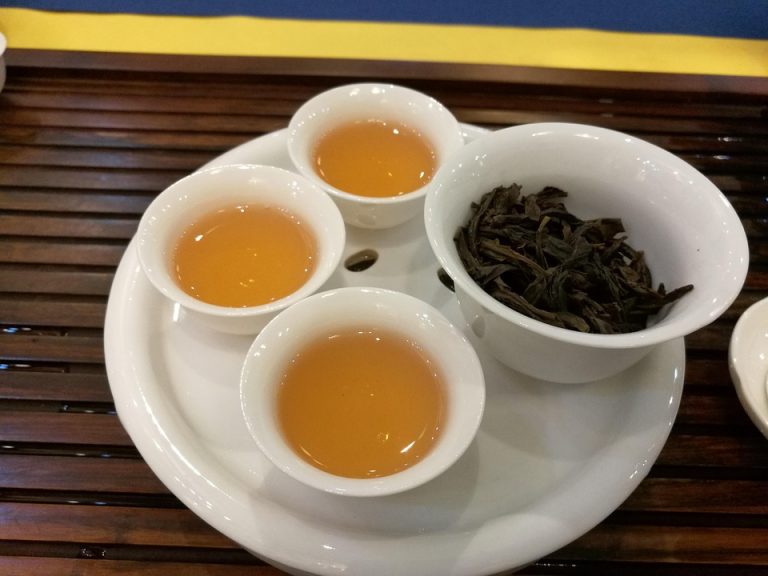
One simple method is brewing clove tea.
How to Make It:
- Boil a cup of water.
- Add 2-3 whole cloves and let it steep for about 10 minutes.
- Strain and enjoy. You can add honey or lemon for flavor.
Personal Note: I’ve found that sipping on clove tea in the evening not only helps with relaxation but also leaves a warm, soothing sensation.
2. Cooking with Clove
Clove can easily be added to your cooking repertoire. It pairs well with savory dishes, especially in stews, curries, and marinades.
Common Mistake: Avoid using too much clove, as its flavor can be overpowering. Start with a small amount—about 1/4 teaspoon—and adjust to taste.
3. Clove Oil
Clove oil is another way to harness the benefits of this spice. However, it should be used with caution.
How to Use:
- Mix a drop or two into carrier oils like coconut or olive oil for topical application.
- Never ingest clove oil in large quantities, as it can be toxic.
Cultural Insight: In some cultures, clove oil is used in traditional remedies for various ailments, showcasing its versatility beyond just flavoring food.
Counterpoints: Is Clove a Magic Bullet?
While clove shows promise, it’s essential to approach it with a balanced perspective.
1. Limited Human Research
Most of the studies conducted on clove and blood pressure have been on animals. The translation of these results to humans isn’t straightforward. More clinical trials are necessary to establish clear guidelines on its efficacy and safety.
2. Individual Responses Vary
Everyone’s body responds differently to dietary changes. What works wonders for one person may not work for another. It’s crucial to monitor your blood pressure regularly and consult your healthcare provider when making dietary adjustments.
The Bigger Picture: Lifestyle Changes for Blood Pressure Management
While clove may contribute to blood pressure management, it should be part of a broader lifestyle approach.
1. Diet
A balanced diet rich in fruits, vegetables, whole grains, and lean proteins is foundational. The DASH (Dietary Approaches to Stop Hypertension) diet, which emphasizes these food groups, has been shown to lower blood pressure effectively.
2. Physical Activity
Regular exercise—whether it’s brisk walking, cycling, or yoga—can help lower blood pressure and improve heart health. Aim for at least 150 minutes of moderate aerobic activity each week.
3. Stress Management
Chronic stress can lead to elevated blood pressure. Techniques like meditation, deep breathing exercises, and even hobbies can help manage stress levels effectively.
FAQs About Clove and Blood Pressure
Q1: Can I take clove supplements for blood pressure?
While clove supplements are available, it’s best to get nutrients from whole foods. Supplements can vary in potency and may have side effects.
Q2: Are there any side effects of consuming clove?
In moderation, clove is generally safe. However, excessive consumption can lead to gastrointestinal issues or allergic reactions.
Q3: How often should I consume clove for blood pressure management?
There’s no definitive guideline. Incorporating clove into your diet a few times a week may be beneficial, but always consult with a healthcare professional.
Q4: Can clove replace my blood pressure medication?
No, clove should not replace prescribed medications. Always discuss any changes to your treatment plan with your doctor.
Q5: Is clove safe for everyone?
While generally safe, individuals with specific health conditions or those who are pregnant should consult a healthcare professional before using clove therapeutically.
Conclusion: A Spice for Thought
As I reflect on my journey with clove, it’s clear that while it may not be a miracle cure, it offers intriguing possibilities for blood pressure management. Integrating clove into a holistic approach that includes diet, exercise, and stress management could yield positive results.
The world of natural remedies is vast and ever-evolving, with new research continually emerging. Staying curious and informed, while also being cautious and critical, can lead to a healthier lifestyle.
Medical Disclaimer
This article is for educational purposes only and does not replace professional medical guidance. Always speak with a qualified healthcare provider before making changes to your health routine.
References
- Nabavi, S. M., et al. (2016). “Eugenol: A Review of Its Pharmacological Effects.” Journal of Clinical Hypertension. Link
- Bhat, S. G., et al. (2015). “Antioxidant Activity of Clove (Syzygium aromaticum) Extracts.” Journal of Medicinal Food. Link
- Zhang, Y., et al. (2017). “Anti-inflammatory Effects of Eugenol.” Phytotherapy Research. Link
Get Your FREE Natural Health Guide!
Subscribe now and receive our exclusive ebook packed with natural health tips, practical wellness advice, and easy lifestyle changes, delivered straight to your inbox.