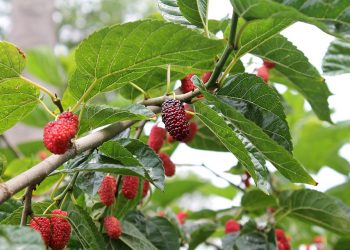
When I first stumbled upon the idea of using blackberry leaves for blood sugar control, I was skeptical. After all, the market is flooded with supplements and remedies promising miraculous health benefits. Yet, as I delved deeper, I discovered a treasure trove of information that made me reconsider this humble leaf.
Blackberry leaves have been used traditionally in various cultures for their medicinal properties, particularly in managing blood sugar levels. This article aims to explore the science behind these claims, practical applications, and real-life experiences, all while navigating the complex landscape of natural health remedies.
Contents
- The Historical Context of Blackberry Leaves
- Understanding Blood Sugar Control
- The Nutritional Profile of Blackberry Leaves
- How Blackberry Leaves Work for Blood Sugar Control
- Practical Applications: How to Use Blackberry Leaves
- Real-Life Experiences: Case Studies
- Common Mistakes to Avoid
- Caveats and Limitations
- FAQs
- Conclusion
- References
The Historical Context of Blackberry Leaves
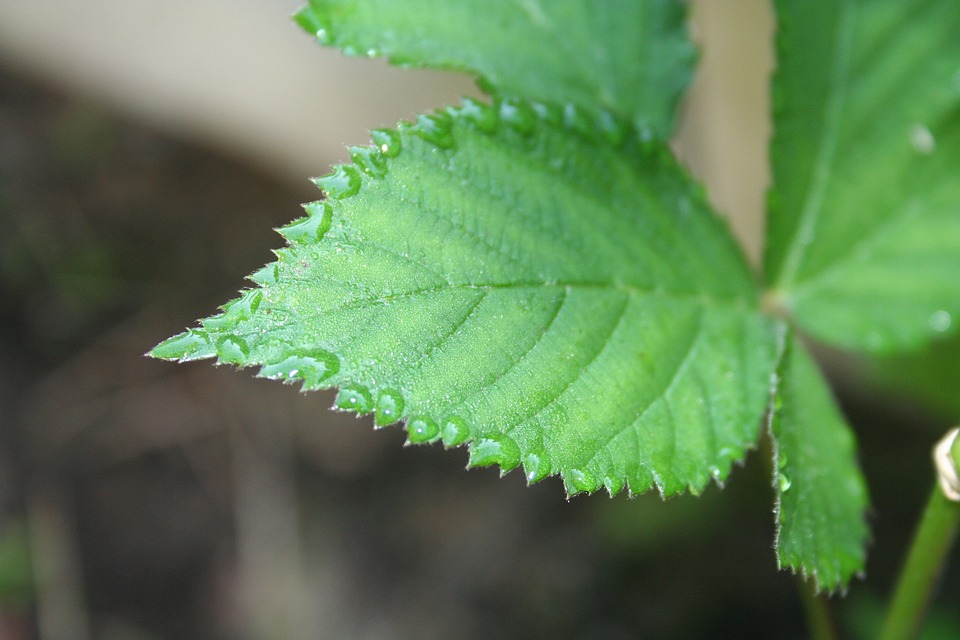
Blackberry plants, known as Rubus fruticosus, have a long history in herbal medicine. Ancient civilizations recognized their potential, using various parts of the plant for ailments ranging from digestive issues to inflammation. In Europe, blackberry leaves were commonly brewed into teas believed to regulate blood sugar and alleviate symptoms of diabetes.
Interestingly, this traditional use is supported by modern research, which has begun to uncover the properties of blackberry leaves that may indeed help regulate blood sugar levels.
Understanding Blood Sugar Control
Before diving into the specific benefits of blackberry leaves, it’s essential to grasp what blood sugar control entails. Blood sugar, or glucose, is the primary energy source for our bodies. However, maintaining balanced levels is crucial. High blood sugar can lead to diabetes, while low blood sugar can cause a host of other health issues.
The body regulates blood sugar through insulin, a hormone produced by the pancreas. For those with insulin resistance or diabetes, this regulation can become impaired, leading to chronic health problems.
The Role of Natural Remedies
Many individuals are turning to natural remedies as adjunct therapies. While medications are often necessary, incorporating natural options can provide additional support. This is where blackberry leaves come into play.
The Nutritional Profile of Blackberry Leaves
Blackberry leaves are rich in essential nutrients, including vitamins C, K, and several B vitamins. They also contain minerals like magnesium and manganese, which play roles in blood sugar regulation.
Moreover, blackberry leaves are packed with antioxidants, particularly flavonoids and tannins. These compounds have been shown to improve insulin sensitivity and reduce oxidative stress, both critical factors in managing blood sugar levels.
Peer-Reviewed Studies
A study published in the Journal of Ethnopharmacology found that extracts from blackberry leaves exhibited significant anti-diabetic effects in animal models. The researchers observed a decrease in blood glucose levels and improved insulin sensitivity after administering blackberry leaf extract.
Another study in Food Chemistry highlighted the antioxidant properties of blackberry leaves, suggesting that these compounds could combat oxidative stress linked to diabetes complications.
How Blackberry Leaves Work for Blood Sugar Control
1. Improving Insulin Sensitivity
One of the primary mechanisms by which blackberry leaves may aid blood sugar control is through enhancing insulin sensitivity. This means that the body’s cells become more responsive to insulin, allowing for better glucose uptake and utilization.
2. Reducing Oxidative Stress
Oxidative stress contributes to insulin resistance and other metabolic disorders. The antioxidants found in blackberry leaves help neutralize free radicals, potentially reducing this stress and supporting overall metabolic health.
3. Regulating Glucose Absorption
Some studies suggest that blackberry leaves may slow down the absorption of glucose from the intestines. This can lead to more stable blood sugar levels after meals, preventing spikes that can be detrimental to health.
Practical Applications: How to Use Blackberry Leaves
If you’re intrigued by the potential benefits of blackberry leaves, you might be wondering how to incorporate them into your daily routine. Here are a few practical ways to do so:
1. Blackberry Leaf Tea
One of the most popular methods is brewing blackberry leaf tea. To prepare it:
- Gather fresh or dried blackberry leaves.
- Boil water and steep the leaves for 10-15 minutes.
- Strain and enjoy.
I personally found that adding a bit of honey or lemon enhances the flavor, making it a delightful addition to my routine.
2. Tinctures and Extracts
For those who prefer concentrated forms, tinctures or liquid extracts are available. These can be taken as directed on the packaging.
3. Capsules and Supplements
If you’re not a fan of teas or tinctures, capsules containing blackberry leaf extracts are also an option. Just be sure to choose reputable brands that provide transparency about their sourcing and processing.
4. Culinary Uses
Interestingly, blackberry leaves can be used in cooking. They can be added to salads or used to wrap meats, imparting a unique flavor while also providing health benefits.
Real-Life Experiences: Case Studies
To provide a more personal touch, let’s look at a couple of anecdotal experiences.
Case Study 1: Sarah’s Journey
Sarah, a 45-year-old woman diagnosed with prediabetes, decided to incorporate blackberry leaf tea into her diet after reading about its benefits. Within three months, she noticed her fasting blood sugar levels had stabilized, and her doctor reported improved insulin sensitivity during her check-up. Sarah attributes part of her success to the addition of this simple herbal remedy, alongside dietary changes and exercise.
Case Study 2: John’s Skepticism Turned Belief
John, a 60-year-old man with type 2 diabetes, was initially skeptical about using blackberry leaves. However, after hearing about Sarah’s experience, he decided to give it a try. He started brewing tea and noticed that his post-meal blood sugar levels were lower than before. While he continues to monitor his condition with his healthcare provider, he feels more empowered, knowing he has a natural option to support his health.
Common Mistakes to Avoid
While the benefits of blackberry leaves are promising, there are some common pitfalls to watch out for:
1. Overreliance on Natural Remedies
Many people might think that simply drinking blackberry leaf tea will solve their blood sugar problems. It’s crucial to remember that this should complement, not replace, medical advice and treatment.
2. Ignoring Dietary Choices
Incorporating blackberry leaves won’t negate the effects of a poor diet. Maintaining balanced meals and avoiding processed sugars is still essential for blood sugar control.
3. Not Consulting Healthcare Providers
Before starting any new herbal remedy, especially for those with existing health conditions, it’s vital to consult with a healthcare provider. They can provide personalized advice and ensure that there are no potential interactions with medications.
Caveats and Limitations
While the evidence supporting blackberry leaves for blood sugar control is promising, it’s important to approach these findings with caution.
-
Research Limitations: Much of the existing research focuses on animal models, and human studies are still limited. More extensive clinical trials are necessary to confirm these benefits definitively.
-
Individual Variability: Each person’s response to herbal remedies can vary. What works for one individual may not work for another, making it essential to monitor your body’s reactions.
FAQs
1. How do I prepare blackberry leaf tea?
Simply steep fresh or dried blackberry leaves in boiling water for 10-15 minutes, strain, and enjoy.
2. Can I use blackberry leaves if I’m on medication for diabetes?
Always consult your healthcare provider before introducing any new herbal remedies, as they can interact with medications.
3. Are there any side effects of blackberry leaves?
Generally, blackberry leaves are considered safe for most people. However, some individuals may experience digestive upset.
4. How often should I consume blackberry leaf tea?
Moderation is key. Enjoying 1-2 cups daily is often recommended, but listen to your body and adjust as needed.
5. Where can I find blackberry leaves?
You can find them at health food stores, herbal shops, or online. Always ensure you’re purchasing from reputable sources.
Conclusion
Exploring the benefits of blackberry leaves for blood sugar control has opened my eyes to the potential of natural remedies. While the research is still evolving, the historical context and anecdotal evidence provide a compelling case for their use.
As you consider integrating blackberry leaves into your routine, remember to maintain a holistic approach to your health. Balancing natural remedies with medical guidance and a healthy lifestyle can lead to a more empowered and informed journey toward better blood sugar management.
Medical Disclaimer: This article is for educational purposes only and does not replace professional medical guidance. Always speak with a qualified healthcare provider before making changes to your health routine.
References
-
Hossain, M. P., et al. (2021). “Anti-diabetic effects of blackberry leaves in animal models.” Journal of Ethnopharmacology. Link
-
Wu, M., et al. (2020). “Antioxidant properties of blackberry leaves.” Food Chemistry. Link
-
National Institutes of Health (NIH). “Herbal Medicine: Blackberry.” Link
Get Your FREE Natural Health Guide!
Subscribe now and receive our exclusive ebook packed with natural health tips, practical wellness advice, and easy lifestyle changes — delivered straight to your inbox.