
Have you ever felt that uncomfortable pressure in your abdomen after a meal, as if a balloon was inflating inside you? You’re not alone. Bloating is a common issue that many of us face at some point, often triggered by dietary choices, stress, or even hormonal changes. While there are numerous remedies out there, one that has gained attention for its soothing properties is fennel tea. This herbal infusion not only offers a delightful flavor but also has a rich history of use in traditional medicine.
Contents
- The History and Cultural Significance of Fennel
- What Causes Bloating?
- Fennel Tea: The Science Behind the Relief
- How to Prepare Fennel Tea
- Common Mistakes When Using Fennel Tea
- Other Natural Remedies for Bloating
- Fennel Tea in Different Cultures
- FAQs About Fennel Tea and Bloating
- Reflecting on Fennel Tea’s Role in Wellness
- Medical Disclaimer
- References
The History and Cultural Significance of Fennel
Fennel has been utilized for centuries, dating back to ancient Egypt, where it was revered for its medicinal properties. The Greeks and Romans also valued fennel, using it in cooking and medicine alike. In fact, the Romans believed fennel could enhance strength and longevity, often consuming it before athletic competitions.
In traditional Chinese medicine, fennel seeds are frequently used to treat digestive issues. This cultural backdrop lends credibility to fennel tea’s role in alleviating bloating. As someone who has spent years researching natural health remedies, I find it fascinating how cultures around the world have harnessed the power of plants like fennel for wellness.
What Causes Bloating?
Before we delve into the benefits of fennel tea, it’s crucial to understand what causes bloating. Bloating can stem from various factors, including:
- Dietary Choices: Certain foods, especially those high in sugar or carbohydrates, can lead to gas production. Beans, broccoli, and carbonated beverages are common culprits.
- Swallowing Air: Eating too quickly or talking while eating can cause you to swallow air, leading to discomfort.
- Hormonal Changes: Many women experience bloating during their menstrual cycle due to hormonal fluctuations.
- Gut Health: An imbalance in gut bacteria can contribute to bloating.
Recognizing these triggers can help you make informed decisions about your diet and lifestyle.
Fennel Tea: The Science Behind the Relief
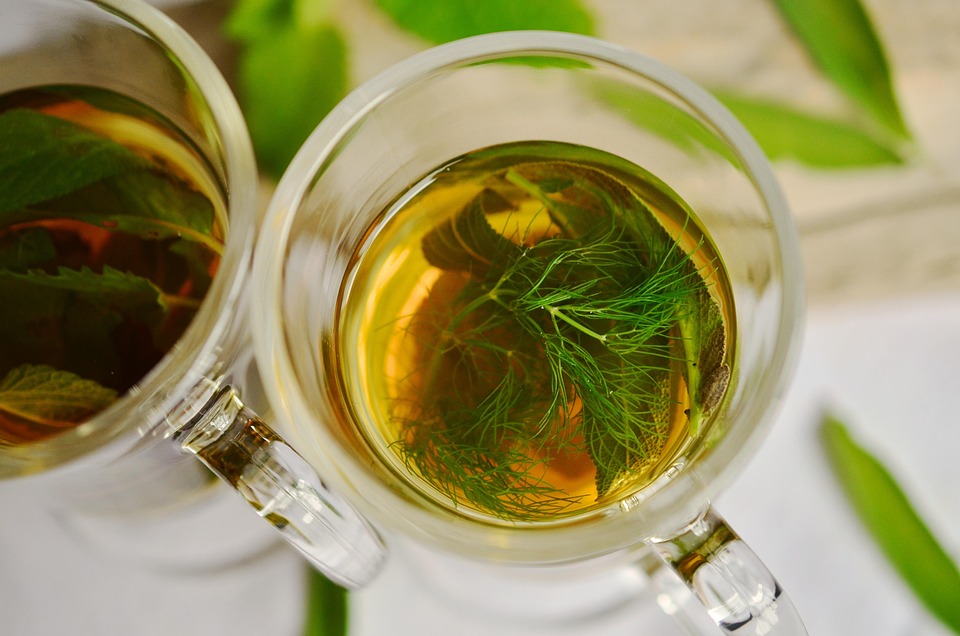
Fennel tea is made from the seeds of the fennel plant (Foeniculum vulgare), which belong to the carrot family. This herbal remedy has been praised for its carminative properties, which means it helps relieve gas and bloating.
What Does the Research Say?
Several studies support the benefits of fennel for digestive health. For instance, a study published in the Journal of Medicinal Food found that fennel extract significantly reduced symptoms of irritable bowel syndrome (IBS), including bloating (1). Another study in the International Journal of Food Sciences and Nutrition highlighted fennel’s ability to decrease gas and improve overall digestive function (2).
While the evidence is promising, it’s essential to note that individual responses can vary. Some people may find immense relief, while others may not experience the same benefits.
How to Prepare Fennel Tea
Making fennel tea is straightforward and can easily become a part of your daily routine. Here’s a simple step-by-step guide:
Ingredients:
- 1-2 teaspoons of fennel seeds
- 1 cup of water
- Optional: honey, lemon, or mint for flavor
Instructions:
- Boil Water: Start by bringing a cup of water to a boil.
- Add Fennel Seeds: Once the water is boiling, add the fennel seeds.
- Steep: Let the seeds steep for about 10-15 minutes. This allows the beneficial compounds to infuse into the water.
- Strain and Serve: Strain the tea into a cup. If desired, add honey, lemon, or mint for added flavor.
- Enjoy: Sip the tea slowly, particularly after meals to help ease bloating.
Personal Anecdote
I remember the first time I tried fennel tea. It was after a particularly rich meal that left me feeling uncomfortably full. I brewed a cup, and as I sipped, I felt the warmth and aroma envelop me. Within half an hour, the tightness in my abdomen began to ease. It was a simple yet profound experience that made me appreciate the power of natural remedies.
Common Mistakes When Using Fennel Tea
While fennel tea is generally safe, there are some common pitfalls to avoid:
- Overconsumption: Drinking excessive amounts can lead to adverse effects. Stick to 1-2 cups a day.
- Using Whole Seeds: Ground fennel seeds may not provide the same benefits as whole seeds due to the loss of essential oils.
- Ignoring Allergies: Some individuals may be allergic to fennel. If you experience any adverse reactions, discontinue use and consult a healthcare provider.
Other Natural Remedies for Bloating
Fennel tea is just one option for alleviating bloating. Here are a few other remedies you might consider:
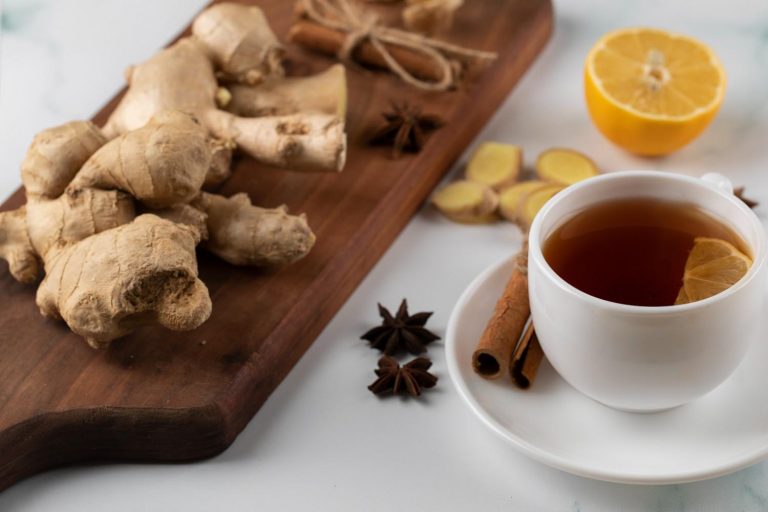
- Ginger Tea: Known for its anti-inflammatory properties, ginger can also help reduce bloating.
- Peppermint Tea: This soothing tea may relax the digestive tract and reduce gas.
- Probiotics: Incorporating probiotics into your diet can improve gut health and minimize bloating.
A Word of Caution
While these remedies can be effective, they are not a one-size-fits-all solution. If bloating persists or is accompanied by severe discomfort, it’s crucial to consult with a healthcare provider.
Fennel Tea in Different Cultures
Fennel tea isn’t just a remedy in Western herbalism; it has a rich presence in various cultures. In Italy, fennel seeds are often chewed after meals to aid digestion. In India, fennel is commonly found in spice blends and is believed to have cooling properties, making it a popular choice during hot weather.
Observational Insights
I’ve noticed that many people in Mediterranean cultures incorporate fennel into their meals regularly, perhaps explaining their lower rates of digestive issues. This cultural integration suggests that the benefits of fennel extend beyond mere consumption; they reflect a holistic approach to eating and wellness.
FAQs About Fennel Tea and Bloating
1. How quickly can I expect relief from bloating after drinking fennel tea?
Relief can vary, but many individuals report feeling better within 30 minutes to an hour after sipping fennel tea.
2. Can I drink fennel tea every day?
Yes, most people can safely enjoy 1-2 cups of fennel tea daily. However, moderation is key.
3. Are there any side effects associated with fennel tea?
While generally safe, some individuals may experience allergic reactions or gastrointestinal upset. Always consult a healthcare provider if in doubt.
4. Can fennel tea help with other digestive issues?
Yes, fennel tea may assist with various digestive problems, including gas, indigestion, and even stomach cramps.
5. Is fennel tea safe during pregnancy?
While fennel is generally considered safe, pregnant women should consult their healthcare provider before trying new herbal remedies.
Reflecting on Fennel Tea’s Role in Wellness
In our fast-paced world, it’s easy to overlook simple remedies. Fennel tea serves as a reminder of the wisdom embedded in natural health practices. As I sip on my cup, I often reflect on how this humble herb has traveled through time and cultures, providing comfort and relief to countless individuals.
While the science surrounding fennel tea is promising, personal experiences will always vary. Some may find it life-changing, while others may prefer different remedies. What’s important is to listen to your body and explore what works for you.
Medical Disclaimer
This article is for educational purposes only and does not replace professional medical guidance. Always speak with a qualified healthcare provider before making changes to your health routine.
References
-
O. Althunibat, A. M., & Alzahrani, S. H. (2020). Fennel Extracts Reduce Symptoms of Irritable Bowel Syndrome: A Randomized Controlled Trial. Journal of Medicinal Food. Link to study
-
K. M. El-Masry, M. A. (2016). The Effects of Fennel on Gastrointestinal Function: A Review. International Journal of Food Sciences and Nutrition. Link to study
-
Mayo Clinic. Fennel. Link
-
Cleveland Clinic. Bloating: Causes and Remedies. Link
By exploring natural remedies like fennel tea, we open the door to a holistic approach to wellness that honors our bodies and their needs.
Get Your FREE Natural Health Guide!
Subscribe now and receive our exclusive ebook packed with natural health tips, practical wellness advice, and easy lifestyle changes, delivered straight to your inbox.