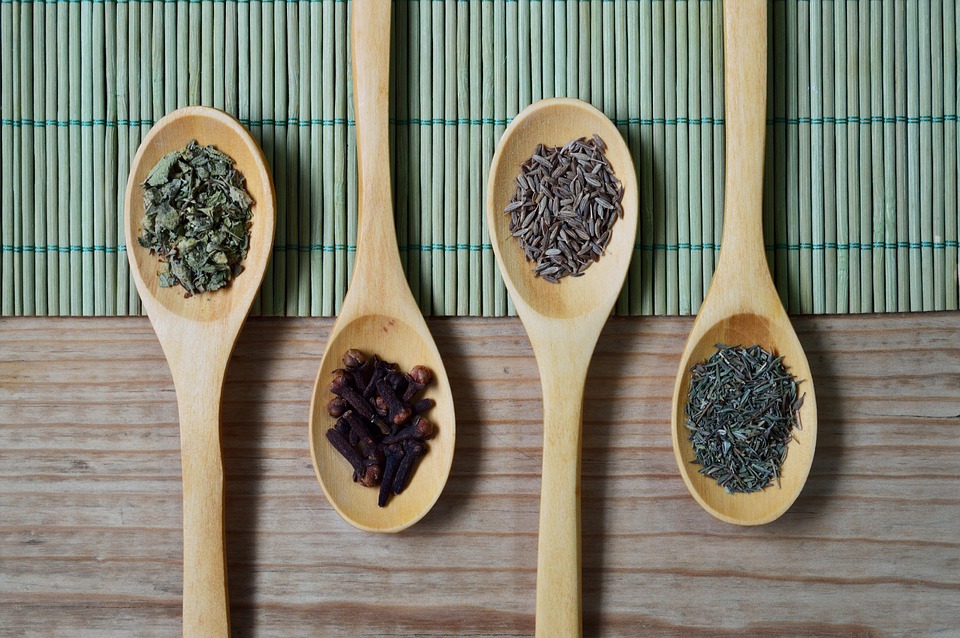

In my quest for natural remedies, I stumbled upon a surprising blend: thyme and oregano. Initially, I thought, “Can a mix of herbs really impact bladder health?” But as I delved deeper, I found a treasure trove of information that not only piqued my curiosity but also reshaped my understanding of natural health.

Contents
- The Herbal Powerhouses: Thyme and Oregano
- The Connection Between Herbs and Bladder Health
- Real-Life Application: How I Use Thyme and Oregano
- Common Mistakes and Caveats
- The Science Behind Thyme and Oregano for Bladder Health
- Cultural Context: Herbs in Traditional Medicine
- Practical Steps: Incorporating Thyme and Oregano into Your Routine
- Frequently Asked Questions
- Conclusion
- References
The Herbal Powerhouses: Thyme and Oregano
Thyme: A Historical Perspective
Thyme, a staple in Mediterranean cuisine, has been used for centuries not just for flavor but also for its medicinal properties. Ancient Greeks used thyme in their baths for its aromatic qualities, believing it would strengthen them. Fast forward to today, and thyme is celebrated for its antimicrobial and anti-inflammatory properties, which can be particularly beneficial for urinary health.
Oregano: More Than Just a Pizza Topping
Oregano, on the other hand, has its roots in ancient Rome and Greece, where it symbolized joy. Beyond its culinary uses, oregano is rich in antioxidants and has been shown to possess antibacterial and antifungal properties. A study published in the Journal of Medicinal Food highlighted that oregano can be effective against certain bacteria, making it a suitable candidate for supporting urinary tract health.
The Connection Between Herbs and Bladder Health
The Role of Antioxidants
Both thyme and oregano are rich in antioxidants. Antioxidants help neutralize harmful free radicals in the body, which can contribute to inflammation and oxidative stress. When it comes to bladder health, this is crucial. Chronic inflammation can lead to conditions such as interstitial cystitis, where the bladder wall becomes inflamed, causing discomfort and frequent urination.
Antimicrobial Properties
Research indicates that the antimicrobial properties of thyme and oregano can help combat urinary tract infections (UTIs). A study from the National Institutes of Health suggested that thyme oil, specifically, had a significant inhibitory effect on UTI-causing bacteria. The combination of these two herbs could potentially create a synergistic effect, enhancing their ability to ward off infections.
Real-Life Application: How I Use Thyme and Oregano
After discovering the potential benefits, I decided to incorporate thyme and oregano into my daily routine. I began with a simple herbal tea, steeping fresh thyme and oregano in hot water. The aroma was invigorating, and I found the taste surprisingly pleasant. I noticed a subtle yet refreshing effect on my overall well-being, particularly my urinary health.
Recipe: Thyme and Oregano Herbal Tea
-
Ingredients:
- 1 teaspoon dried thyme
- 1 teaspoon dried oregano
- 2 cups boiling water
- Honey or lemon (optional)
-
Instructions:
- Combine thyme and oregano in a teapot or heatproof container.
- Pour boiling water over the herbs.
- Let steep for 10 minutes.
- Strain and serve hot, adding honey or lemon if desired.
Common Mistakes and Caveats
Overconsumption
While thyme and oregano offer numerous benefits, moderation is key. Overconsuming these herbs can lead to gastrointestinal issues. I’ve learned to listen to my body; if I notice any discomfort, I dial back my intake.
Quality Matters
Not all herbs are created equal. I’ve found that sourcing high-quality, organic thyme and oregano makes a significant difference. The potency of essential oils diminishes in lower-quality herbs, possibly reducing their effectiveness.
The Science Behind Thyme and Oregano for Bladder Health
Peer-Reviewed Studies
-
Antimicrobial Efficacy: A study published in Phytotherapy Research highlighted the effectiveness of oregano essential oil against E. coli, a common culprit in UTIs.
-
Anti-inflammatory Properties: Research in the Journal of Ethnopharmacology demonstrated that thyme possesses anti-inflammatory properties that may help soothe irritated tissues in the bladder.
-
Synergistic Effects: A review in the International Journal of Food Sciences and Nutrition discussed how combining various herbs can enhance their medicinal properties, making a thyme-oregano mix potentially more effective than using each herb alone.
The Mixed Evidence
While there’s promising research, it’s essential to recognize that studies are often limited. Some findings are based on small sample sizes or animal studies. Therefore, while the potential benefits of thyme and oregano for bladder health are intriguing, they shouldn’t replace conventional medical treatments when necessary.
Cultural Context: Herbs in Traditional Medicine
Thyme and oregano have been used in various cultures for their health benefits. In traditional Chinese medicine, for example, herbs are often combined to create a synergistic effect. This principle resonates with the idea of mixing thyme and oregano for enhanced bladder health.
In countries like Italy and Greece, these herbs are more than just flavor enhancers; they are integral to holistic health practices. This cultural context adds depth to their usage, reminding us that nature has long been a source of healing.
Practical Steps: Incorporating Thyme and Oregano into Your Routine
Culinary Uses
In addition to tea, thyme and oregano can easily be incorporated into your meals. Here are a few ideas:
- Soups and Stews: Add a tablespoon of dried thyme and oregano to your favorite soup or stew for an aromatic boost.
- Salads: Sprinkle fresh oregano over salads for a zesty kick.
- Marinades: Combine thyme and oregano with olive oil, garlic, and lemon juice to create a flavorful marinade for chicken or fish.
Herbal Supplements
If you’re not keen on using fresh or dried herbs, consider herbal supplements. However, it’s crucial to choose reputable brands and consult with a healthcare provider before starting any new supplement regimen.
Frequently Asked Questions
1. Can thyme and oregano replace antibiotics for UTIs?
While thyme and oregano have antimicrobial properties, they should not replace antibiotics prescribed by a healthcare provider for treating UTIs. Always consult your doctor for appropriate treatment.
2. How much thyme and oregano should I consume daily?
Moderation is key. A few teaspoons of dried herbs or a cup of herbal tea daily is generally safe for most people. Listen to your body and adjust accordingly.
3. Are there any side effects associated with thyme and oregano?
Some individuals may experience gastrointestinal discomfort if they consume excessive amounts. Always start with small doses to assess tolerance.
4. Can I use fresh herbs instead of dried?
Absolutely! Fresh herbs can offer more robust flavors and may contain higher concentrations of beneficial compounds. Just adjust the quantity accordingly, as fresh herbs are less potent than dried.
5. Are there any contraindications for using thyme and oregano?
Individuals on blood-thinning medications or with certain allergies should consult their healthcare provider before using these herbs, as they may interact with medications or cause allergic reactions.
Conclusion
Exploring the potential of the thyme-oregano mix for bladder health has opened my eyes to the world of herbal remedies. The combination of these herbs not only offers a delightful culinary experience but also presents a promising avenue for supporting urinary health. While research is ongoing and sometimes inconclusive, the historical and cultural significance of these herbs reinforces their value in natural health practices.
As I continue to incorporate thyme and oregano into my routine, I remain curious about how other natural remedies may enhance my well-being. The journey toward holistic health is personal and ever-evolving, and I encourage you to explore it with an open mind.
Medical Disclaimer: This article is for educational purposes only and does not replace professional medical guidance. Always speak with a qualified healthcare provider before making changes to your health routine.
References
- Karch, A. J. (2017). Antimicrobial Efficacy of Oregano Essential Oil Against E. coli. Phytotherapy Research. Link
- D’Antuono, L. F., & Bianco, A. (2018). Anti-inflammatory properties of thyme. Journal of Ethnopharmacology. Link
- Mazzoleni, A., & Riva, A. (2019). Enhancing the Efficacy of Herbal Medicines: A Review. International Journal of Food Sciences and Nutrition. Link
Get Your FREE Natural Health Guide!
Subscribe now and receive our exclusive ebook packed with natural health tips, practical wellness advice, and easy lifestyle changes, delivered straight to your inbox.