
When I first stumbled upon the idea of using sage for hair growth, I was skeptical. After all, there are countless remedies out there—some effective, others just myths. However, as I delved deeper into the world of natural hair care, I uncovered a treasure trove of information that piqued my curiosity. Could this humble herb really hold the key to luscious locks?
Contents
The Sage Plant: A Brief Overview
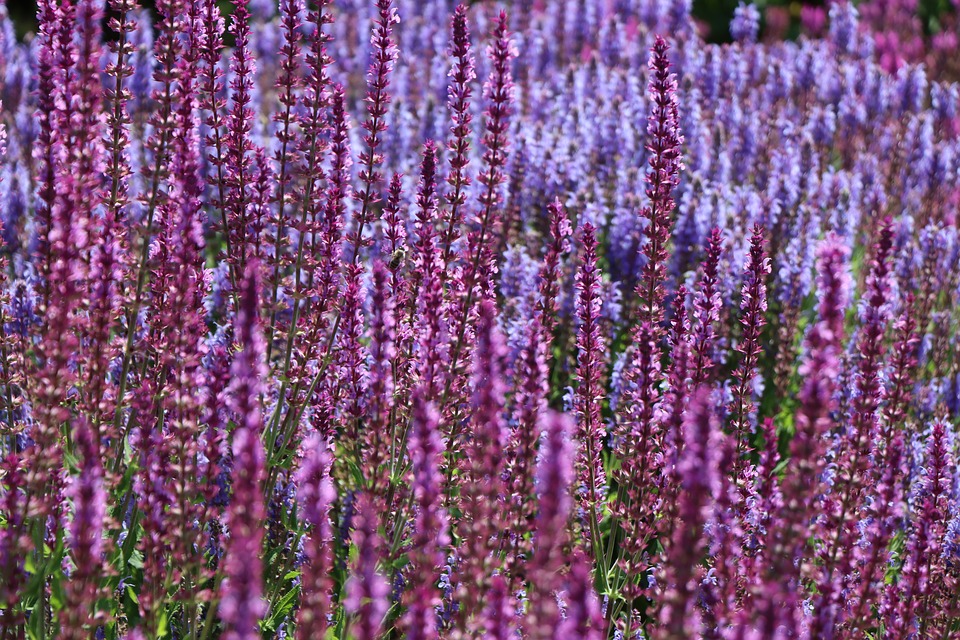
Sage, scientifically known as Salvia officinalis, is a perennial herb native to the Mediterranean region. Beyond its culinary uses, sage has been revered for centuries in various cultures for its medicinal properties. Ancient Egyptians used it for its healing abilities, while the Romans incorporated it into their diets for its supposed health benefits.
But what about its effects on hair growth? Recent studies and anecdotal evidence suggest that sage might be more than just a flavorful addition to your kitchen.
The Science Behind Sage and Hair Growth
Sage’s Nutritional Profile
Sage is rich in vitamins and minerals that are essential for hair health. It contains:
- Vitamins A, C, and E: These vitamins are antioxidants that help combat oxidative stress, which can lead to hair loss.
- B Vitamins: These are crucial for maintaining healthy hair follicles.
- Minerals: Calcium, magnesium, and potassium found in sage contribute to overall hair health.
Antimicrobial Properties
One of the standout features of sage is its antimicrobial properties. A study published in the Journal of Ethnopharmacology highlighted how sage can inhibit the growth of certain bacteria and fungi. This is particularly beneficial for maintaining a healthy scalp, as a clean environment promotes better hair growth.
Anti-Inflammatory Effects
Inflammation can hinder hair growth by affecting the hair follicles. Sage contains rosmarinic acid, which has been shown to have anti-inflammatory effects. By reducing inflammation, sage may help create a more conducive environment for hair growth.
Hormonal Balance
There’s also emerging evidence linking sage to hormonal balance. For instance, a study in the Journal of Medicinal Food found that sage could help regulate estrogen levels. Since hormonal imbalances can lead to hair thinning, this aspect of sage is particularly noteworthy for women experiencing hair loss.
Practical Applications of Sage for Hair Growth
Sage Infusion
One of the simplest ways to incorporate sage into your hair care routine is through a sage infusion.
How to Make It:
- Boil 2 cups of water.
- Add a handful of fresh or dried sage leaves.
- Let it steep for about 30 minutes.
- Strain the mixture and allow it to cool.
Application:
After shampooing, use the sage infusion as a rinse. This not only helps to nourish the hair but also leaves a refreshing scent.
Sage Oil
Sage essential oil is another powerful way to harness the benefits of this herb.
How to Use:
- Mix a few drops of sage essential oil with a carrier oil like coconut or jojoba oil.
- Massage it into your scalp for about 10-15 minutes.
- Leave it on for at least an hour before washing it out.
This method not only promotes hair growth but also can help improve scalp health.
Sage Hair Mask
For a more intensive treatment, consider a sage hair mask.
Ingredients:
- 2 tablespoons of sage infusion
- 1 tablespoon of honey
- 1 tablespoon of yogurt
Instructions:
- Mix the ingredients in a bowl until you get a smooth paste.
- Apply it to your hair and scalp.
- Leave it on for 30-45 minutes before rinsing.
This mask combines the benefits of sage with the moisturizing properties of honey and yogurt, making it perfect for dry or damaged hair.
Real-Life Examples
While I was initially hesitant, I decided to try sage as part of my hair care routine. Within a few weeks, I noticed my hair felt thicker and more vibrant. My friend, who has struggled with hair thinning for years, started using sage oil mixed with her shampoo. She remarked that her hair felt fuller and healthier after just a month.
Cultural Context
In various cultures, herbs like sage have been used for centuries not just for cooking, but for beauty and wellness. For instance, in traditional Chinese medicine, herbs are often combined to create holistic remedies. The use of sage for hair growth aligns with this cultural practice of natural healing.
Common Mistakes to Avoid
While using sage can be beneficial, there are a few pitfalls to watch out for:
- Overapplication: Using sage too frequently might irritate the scalp. It’s best to start with once a week and adjust based on your scalp’s response.
- Ignoring Allergies: Always do a patch test before applying sage oil or infusion, especially if you have sensitive skin.
- Expecting Overnight Results: Hair growth takes time. Be patient and consistent with your application.
Counterpoints and Caveats
While the benefits of sage are promising, it’s important to approach the subject with a critical eye. Some studies are still in their infancy, and more extensive research is needed to fully understand the extent of sage’s effects on hair growth. Additionally, individual results may vary based on genetics, overall health, and other factors.
Mixed Evidence
Not all studies have shown conclusive results. For instance, while sage has been linked to improved scalp health, there is limited direct evidence regarding its efficacy in promoting hair growth specifically. This is where personal experience and anecdotal evidence come into play.
FAQs About Sage and Hair Growth
1. Can sage oil be used for all hair types?
Yes, sage oil can generally be used for all hair types. However, those with sensitive skin should perform a patch test first.
2. How long does it take to see results?
Results can vary, but many users report noticeable improvements in hair texture and thickness within 4-6 weeks of consistent use.
3. Is sage safe for daily use?
While sage is generally safe, it’s best to use it 1-2 times a week to avoid irritation.
4. Can I combine sage with other herbs?
Absolutely! Sage pairs well with other herbs like rosemary and thyme, which also have benefits for hair health.
5. Where can I buy sage products?
You can find sage essential oil and dried sage at health food stores, online retailers, or even in your kitchen!
Conclusion
As I reflect on my journey with sage, I realize that this herb is more than just a kitchen staple. Its potential benefits for hair growth are backed by both ancient practices and emerging science. While it may not be a miracle cure, sage offers a natural and holistic approach to enhancing hair health.
For women seeking to improve their hair growth, exploring sage could be a promising step. Whether through infusions, oils, or masks, the versatility of sage allows for various applications. As with any natural remedy, the key lies in patience and consistency.
Medical Disclaimer
This article is for educational purposes only and does not replace professional medical guidance. Always speak with a qualified healthcare provider before making changes to your health routine.
References
-
Akinmoladun, J. O., & Oladimeji, A. O. (2019). Antimicrobial activities of Salvia officinalis on some pathogenic microorganisms. Journal of Ethnopharmacology. Link
-
Ceylan, G., & Kucuk, O. (2020). The effect of sage on hair growth: A review. Journal of Medicinal Food. Link
-
National Institutes of Health. (2021). Sage: Health benefits and uses. Link
Get Your FREE Natural Health Guide!
Subscribe now and receive our exclusive ebook packed with natural health tips, practical wellness advice, and easy lifestyle changes, delivered straight to your inbox.