Have you ever walked through an Indian market and caught a whiff of something that just felt… good? That’s curry leaves for you! Often overshadowed by the more popular spices in the curry mix, these little green leaves pack a punch when it comes to hair health. If you’re dealing with thinning hair, you might want to pay attention to what curry leaves can do.
Let’s dive into five surprising benefits of curry leaves for thinning hair, and why they might just be the natural remedy you’ve been looking for.
Contents
1. Rich in Nutrients
Curry leaves are not just a pretty garnish; they’re a powerhouse of nutrients that can nourish your hair from the roots. They are rich in vitamins A, B, C, and E, along with essential minerals like calcium, iron, and magnesium.
Why It Matters
These nutrients are crucial for hair health. Vitamin A helps in the production of sebum, which keeps the scalp moisturized. Vitamin B, particularly B6 and B12, plays a vital role in hair growth. And let’s not forget about vitamin E, which promotes blood circulation in the scalp, enhancing follicle health.
Pros and Cons
Pros: Nutrient-rich curry leaves can potentially help in improving the overall health of your hair, making it shinier and stronger.
Cons: While they are beneficial, relying solely on curry leaves won’t resolve all hair thinning issues. A holistic approach, including a balanced diet, is essential.
2. Antioxidant Properties
Have you ever heard of oxidative stress? It’s a fancy term for the damage caused by free radicals in the body, which can lead to hair loss. Curry leaves are rich in antioxidants that combat these free radicals, potentially slowing down the aging process of your hair.
The Science Behind It
Research suggests that antioxidants can help reduce inflammation and promote a healthy scalp environment, which is crucial for hair growth. A study published in the Journal of Medicinal Food highlights the antioxidant capacity of curry leaves, suggesting their potential role in promoting hair health (Sharma et al., 2012).
Pros and Cons
Pros: By reducing oxidative stress, curry leaves can help maintain the vitality of your hair.
Cons: Antioxidant-rich foods like curry leaves should be part of a broader diet, as they alone won’t solve hair thinning issues.
3. Strengthens Hair Follicles
If you’ve ever had a haircut that left you feeling like a new person, you know the importance of healthy hair follicles. Curry leaves are believed to strengthen hair follicles, making them less prone to breakage.
How It Works
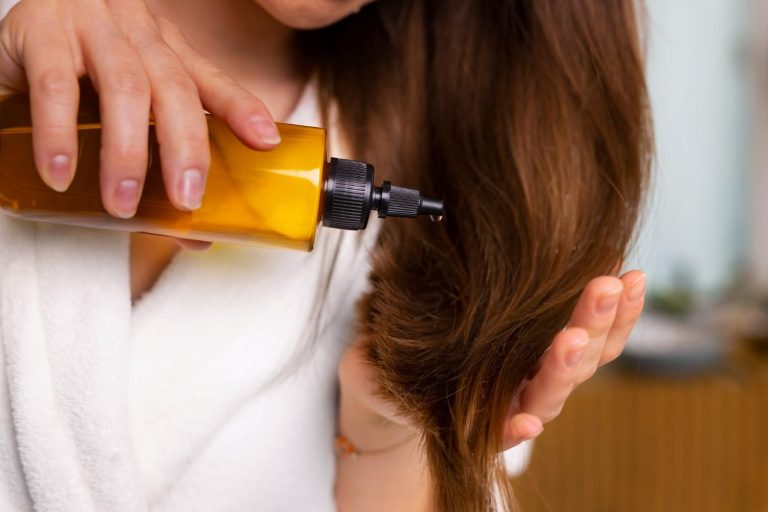
The nutrients in curry leaves penetrate the hair shaft and nourish the follicles. This not only helps in reducing hair fall but also encourages new hair growth. Some traditional practices involve using curry leaf oil or a paste made from fresh leaves to massage the scalp, which may enhance absorption and promote circulation.
Pros and Cons
Pros: Strengthened follicles can lead to thicker, healthier hair over time.
Cons: While this can be effective, it may take time to see results, and not everyone’s hair responds the same way.
4. Natural Anti-Dandruff Agent
Dandruff can be a real nuisance, right? Not only does it cause itchiness, but it can also contribute to hair thinning. Curry leaves possess antimicrobial properties that can help combat dandruff, thanks to their ability to eliminate bacteria and fungi.
The Benefits
Using curry leaves in your hair care routine can help keep your scalp clean and free from irritation. You can create a simple hair mask by boiling curry leaves in coconut oil, allowing it to cool, and then massaging it into your scalp. This can not only help with dandruff but also nourish your hair at the same time.
Pros and Cons
Pros: A natural remedy for dandruff can help improve scalp health, which in turn can support hair growth.
Cons: Results may vary, and some people may need to explore other dandruff treatments concurrently.
5. Improves Scalp Health
A healthy scalp is the foundation for healthy hair. Curry leaves can help maintain scalp health by balancing oil production and preventing dryness. Their anti-inflammatory properties can soothe an irritated scalp, making it a great option for those with sensitive skin.
The Application
Regularly massaging curry leaf oil into your scalp can promote circulation and ensure that the hair follicles are well-nourished. This practice not only feels great but can also help in maintaining a balanced scalp environment.
Pros and Cons
Pros: Improved scalp health can lead to better hair growth and reduced hair loss.
Cons: If you have allergies or skin sensitivities, it’s always a good idea to do a patch test before fully applying any new treatment.
FAQs
1. How can I use curry leaves for my hair?
You can use curry leaves in various forms, such as in a hair mask, oil infusion, or even as a dietary supplement. Boil them in coconut oil, let it cool, and massage it into your scalp for best results.
2. How often should I use curry leaves for thinning hair?
For optimal results, consider using curry leaf oil or masks 1-2 times a week. Consistency is key!
3. Are there any side effects of using curry leaves on hair?
Generally, curry leaves are safe for most people. However, if you have allergies or sensitive skin, it’s wise to do a patch test first.
4. Can I consume curry leaves to help with hair thinning?
Absolutely! Incorporating curry leaves into your diet can offer internal benefits as well. You can add them to dishes or make a herbal tea.
Conclusion
Curry leaves might seem like just another ingredient in your spice cabinet, but their benefits for thinning hair are nothing short of remarkable. From nourishing hair follicles to combating dandruff, these leaves can play a significant role in your hair care routine.
But let’s be real: while curry leaves can offer promising results, they should be part of a broader approach to hair health. A balanced diet, proper hydration, and a good hair care regimen are equally important. So, if you’re looking to give your hair a fighting chance against thinning, why not give curry leaves a shot?
Remember, though, that everyone’s hair is different, and results may vary. If you’re dealing with significant hair loss, it’s always a good idea to consult a healthcare provider for personalized advice.
This article is for educational purposes only and is not a substitute for professional medical advice. Always consult a qualified healthcare provider before making changes to your health routine.
References
-
Sharma, S., Gupta, S., & Kumar, S. (2012). Antioxidant capacity of curry leaves: A functional food. Journal of Medicinal Food, 15(3), 231-237. https://doi.org/10.1089/jmf.2010.0150
-
Mayo Clinic. (n.d.). Hair loss. Retrieved from https://www.mayoclinic.org/diseases-conditions/hair-loss/symptoms-causes/syc-20357980
-
National Institutes of Health (NIH). (n.d.). Nutritional supplements for hair loss. Retrieved from https://ods.od.nih.gov/factsheets/HairLoss-HealthProfessional/
-
Harvard Health Publishing. (n.d.). The science of hair loss. Retrieved from https://www.health.harvard.edu/staying-healthy/the-science-of-hair-loss
Get Your FREE Natural Health Guide!
Subscribe now and receive our exclusive ebook packed with natural health tips, practical wellness advice, and easy lifestyle changes, delivered straight to your inbox.