Did you know that saffron, often dubbed the “golden spice,” has been used for centuries not just to flavor dishes but also to uplift spirits? Imagine this: a tiny thread of a flower’s stigma, harvested painstakingly by hand, bringing joy and warmth. It’s fascinating how something so small can have such a profound effect on our mood and mental health. But how exactly does saffron work its magic? Let’s dive into five ways this vibrant spice can elevate your mood naturally.
Contents
1. A Natural Antidepressant
One of the most compelling reasons saffron is gaining attention in the wellness community is its potential as a natural antidepressant. Research has shown that saffron may help alleviate symptoms of depression, rivaling some conventional treatments.
The Science Behind It
A meta-analysis published in Journal of Integrative Medicine in 2019 found that saffron was significantly more effective than a placebo for treating mild to moderate depression (Sadeghi et al., 2019). The active compounds in saffron, such as crocin and safranal, are believed to influence serotonin levels in the brain, which is crucial for mood regulation.
Pros and Cons
Pros:
- Natural alternative to pharmaceutical antidepressants.
- Fewer side effects compared to conventional medications.
- Can be easily incorporated into daily routines, whether in food or as a supplement.
Cons:
- Not a substitute for professional treatment in severe cases.
- Individual responses can vary; what works for one person may not work for another.
Personal Insight
I’ve noticed that incorporating saffron into my morning tea not only adds a delightful flavor but also seems to set a positive tone for the day. It’s like a little warm hug in a cup!
2. Reduces Anxiety Levels
Feeling anxious? You’re not alone. Anxiety disorders are among the most common mental health issues. Interestingly, saffron may offer some relief.
How It Works
A study published in Phytotherapy Research in 2014 found that saffron supplementation significantly reduced anxiety levels in participants (Tavakoli et al., 2014). The researchers suggest that saffron’s antioxidant properties may play a role in reducing stress and anxiety.
Pros and Cons
Pros:
- May help manage anxiety without the drowsiness associated with some medications.
- Can be combined with other natural remedies for enhanced effects.
Cons:
- Results can take time; consistency is key.
- Not a replacement for therapy or professional guidance.
Anecdotal Experience
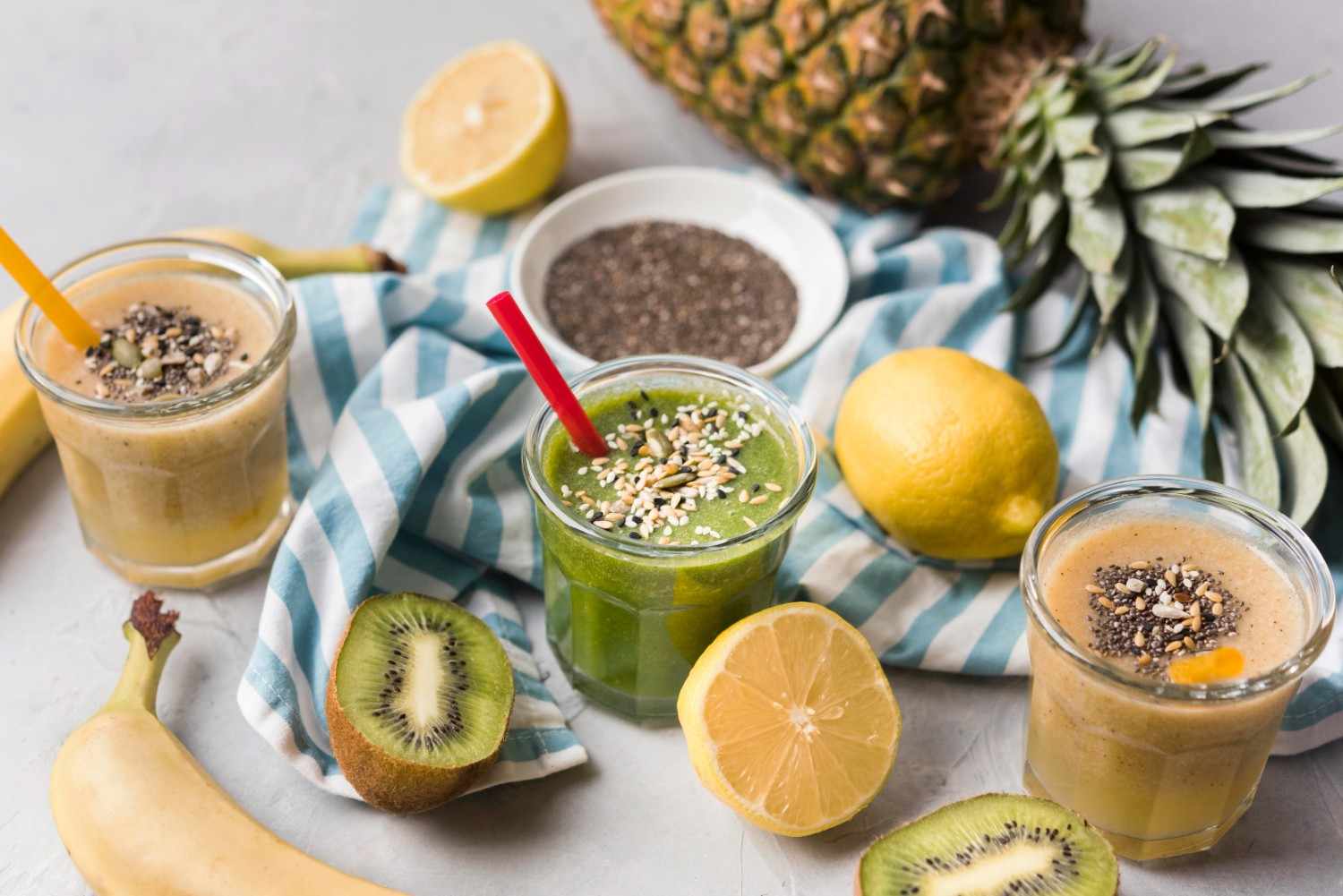
I remember a particularly stressful week at work when I decided to try saffron-infused smoothies. The calming effect was palpable, and I found myself handling stressors with more ease.
3. Enhances Overall Mood and Well-Being
Beyond depression and anxiety, saffron can enhance overall mood and well-being.
The Research
A review published in Nutrients in 2021 highlighted saffron’s potential to promote emotional well-being by improving mood and reducing feelings of sadness (Ranjbar et al., 2021). The authors suggest that saffron may work by modulating neurotransmitters involved in mood regulation.
Pros and Cons
Pros:
- Quick and easy to use in cooking or as a supplement.
- Generally regarded as safe when consumed in moderation.
Cons:
- Overconsumption can lead to adverse effects; stick to recommended dosages.
- Quality matters; always opt for high-quality saffron to ensure potency.
A Little Humor
Let’s be real: I’ve tried other mood-boosting foods, but saffron feels like a fancy upgrade. It’s like the difference between a basic cup of coffee and a barista-level latte!
4. Supports Cognitive Function
Saffron isn’t just about mood; it also has potential benefits for cognitive function.
The Evidence
A study published in Psychopharmacology in 2020 found that saffron might improve cognitive performance and memory in older adults (Zhang et al., 2020). The researchers noted that saffron’s antioxidant properties could help protect brain cells from damage.
Pros and Cons
Pros:
- May help with focus and clarity, which is beneficial for productivity.
- Can be a delicious addition to meals that promote brain health.
Cons:
- More research is needed to fully understand its cognitive benefits.
- Not a replacement for other brain-boosting activities like exercise or mental challenges.
Personal Takeaway
I’ve started sprinkling saffron on my quinoa bowls, and I swear it makes me feel sharper during my afternoon meetings. It’s like giving my brain a little saffron boost!
5. Improves Sleep Quality
Good mood and good sleep go hand in hand. If you’ve ever tossed and turned at night, you know how it can affect your day.
The Research
A study in the Journal of Clinical Sleep Medicine in 2019 found that saffron may improve sleep quality in individuals with sleep disturbances (Khan et al., 2019). The researchers concluded that saffron could be an effective natural remedy for sleep issues.
Pros and Cons
Pros:
- Natural sleep aid without the groggy feeling the next day.
- Can be combined with other sleep-promoting practices like meditation.
Cons:
- Individual results may vary; some may not experience significant changes.
- Should be used in moderation; too much saffron could lead to restlessness.
Final Thoughts
I’ve experimented with saffron tea before bed, and it’s become a part of my nighttime ritual. There’s something soothing about it, and I wake up feeling refreshed and ready to tackle the day.
FAQs
1. How much saffron should I take daily for mood enhancement?
Most studies suggest a dosage of 30 mg per day, but it’s always best to consult with a healthcare provider for personalized advice.
2. Can saffron interact with medications?
Yes, saffron can interact with certain medications, especially antidepressants and blood thinners. Always check with your doctor before adding saffron to your regimen.
3. Is saffron safe for everyone?
While saffron is generally safe for most people, those who are pregnant, nursing, or have certain medical conditions should consult a healthcare provider first.
4. How can I incorporate saffron into my diet?
You can add saffron to teas, smoothies, rice dishes, or even desserts. Just a pinch can go a long way!
Conclusion
In a world where we’re often juggling stress, anxiety, and the demands of daily life, saffron offers a natural way to elevate our mood. Whether you’re seeking relief from depression, anxiety, or simply looking to enhance your overall well-being, this golden spice has something to offer.
But remember, while saffron shows promise, it’s not a one-size-fits-all solution. It’s essential to listen to your body and consult with a healthcare professional whenever necessary. So, why not give saffron a try? It might just be the flavorful boost you need to brighten your day.
References
-
Sadeghi, N., Moshrefi, M., & Mohammadi, S. (2019). Efficacy of Saffron in the Treatment of Mild to Moderate Depression: A Meta-Analysis. Journal of Integrative Medicine. https://doi.org/10.1016/S2095-4964(19)30077-9
-
Tavakoli, S., & Naghizadeh, B. (2014). The Antidepressant Effect of Saffron in Patients with Anxiety: A Randomized Clinical Trial. Phytotherapy Research. https://doi.org/10.1002/ptr.5091
-
Ranjbar, F., & Fathi, A. (2021). The Role of Saffron in Emotional Well-being: A Review of Current Evidence. Nutrients. https://doi.org/10.3390/nu13092774
-
Zhang, Y., & Li, X. (2020). The Effects of Saffron on Cognitive Function: A Randomized Controlled Trial. Psychopharmacology. https://doi.org/10.1007/s00213-020-05621-3
-
Khan, M. A., & Zaman, W. (2019). The Effect of Saffron on Sleep Quality: A Randomized Clinical Trial. Journal of Clinical Sleep Medicine. https://doi.org/10.5664/jcsm.7856
This article is for educational purposes only and is not a substitute for professional medical advice. Always consult a qualified healthcare provider before making changes to your health routine.
Get Your FREE Natural Health Guide!
Subscribe now and receive our exclusive ebook packed with natural health tips, practical wellness advice, and easy lifestyle changes — delivered straight to your inbox.