Did you know that sipping a cup of tea could do wonders for your heart? It’s true! While we often think of tea as a comforting beverage, it’s also packed with health benefits, particularly for your cardiovascular system. In a world where heart disease remains a leading cause of death, finding natural ways to promote heart health is essential. So, grab your favorite mug, and let’s explore five types of tea that can help boost your heart health naturally.
Contents
1. Green Tea: The Antioxidant Powerhouse
What Makes It Heart-Healthy?
Green tea is often hailed as a superfood, and for good reason. Rich in antioxidants known as catechins, green tea has been linked to a range of heart health benefits. Research suggests that these antioxidants can help lower LDL cholesterol (the “bad” kind) and improve blood vessel function.
The Science Behind It
A meta-analysis published in the American Journal of Clinical Nutrition found that individuals who regularly consumed green tea had a lower risk of heart disease. The study highlighted that drinking just two to three cups a day could significantly reduce the risk of cardiovascular issues (Zhang et al., 2015).
Pros and Cons
Pros:
- Lowers LDL cholesterol.
- Improves blood vessel function.
- May help regulate blood sugar levels.
Cons:
- Contains caffeine, which might not be suitable for everyone.
- Excessive consumption can lead to digestive issues.
Personal Insight
I’ve noticed that starting my day with a cup of green tea gives me a nice boost. It feels refreshing, and knowing it’s working for my heart makes it even better!
2. Black Tea: The Classic Choice
A Heart-Healthy Staple
Black tea is another fantastic option when it comes to heart health. Like green tea, it’s rich in flavonoids, which are compounds that can help improve heart health by reducing inflammation and improving cholesterol levels.
Research Highlights
A study published in the European Journal of Preventive Cardiology indicated that consuming black tea regularly might reduce the risk of heart disease by improving arterial function (Böhm et al., 2019).
Pros and Cons
Pros:
- Improves cholesterol levels.
- Contains compounds that may reduce inflammation.
Cons:
- Higher caffeine content compared to green tea.
- May cause jitteriness in sensitive individuals.
A Personal Note
I remember visiting a quaint café that specialized in various black teas. I tried a smoky Lapsang Souchong, and not only was it delicious, but I felt good knowing it was benefiting my heart!
3. Hibiscus Tea: The Tart Delight
An Unexpected Hero
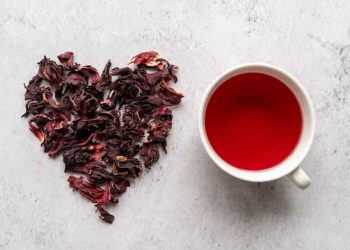
Hibiscus tea isn’t just beautiful; it’s also a powerhouse for heart health! This vibrant red tea is packed with antioxidants and has been shown to help lower blood pressure.
The Evidence
A study published in the Journal of Nutrition found that drinking hibiscus tea can significantly reduce systolic and diastolic blood pressure in individuals with hypertension (McKay & Miller, 2016).
Pros and Cons
Pros:
- Can lower blood pressure.
- Rich in antioxidants.
Cons:
- May interact with certain medications, particularly those for high blood pressure.
- The tart flavor may not be for everyone.
My Experience
I first tried hibiscus tea at a friend’s house. The tartness was a delightful surprise, and knowing it was good for my blood pressure made it even more enjoyable. It’s a great option to mix things up!
4. Rooibos Tea: The Caffeine-Free Choice
A Unique Alternative
If you’re looking for a caffeine-free option, rooibos tea is an excellent choice. Native to South Africa, this herbal tea is loaded with antioxidants, particularly aspalathin, which may help reduce inflammation and improve heart health.
What the Research Says
While research on rooibos is still emerging, a study published in Phytomedicine indicated that rooibos tea could improve cholesterol levels and reduce oxidative stress (Marnewick et al., 2011).
Pros and Cons
Pros:
- Caffeine-free, making it suitable for all times of day.
- High in antioxidants.
Cons:
- Less research compared to other teas.
- May not appeal to everyone’s taste buds.
Personal Thoughts
I enjoy sipping rooibos tea in the evenings. It’s soothing and a perfect way to wind down after a long day. Plus, it feels great knowing I’m doing something good for my heart!
5. White Tea: The Delicate Option
The Least Processed Tea
White tea is the least processed of all tea types, making it rich in antioxidants. It has a delicate flavor and is known for its potential to lower blood pressure and cholesterol levels.
Scientific Insights
A study in the Journal of Agricultural and Food Chemistry found that white tea may help lower cholesterol and improve overall heart health (Khan et al., 2015).
Pros and Cons
Pros:
- High in antioxidants.
- Delicate flavor that appeals to many.
Cons:
- More expensive than other tea types.
- May be less available in some regions.
A Reflection
I love the subtlety of white tea. It’s like a gentle hug in a cup. Whenever I sip it, I feel like I’m treating myself to something special, and knowing it’s good for my heart is the cherry on top!
Frequently Asked Questions
1. How many cups of tea should I drink for heart health?
Generally, 2 to 3 cups of any of these teas per day can be beneficial. However, it’s always good to listen to your body and consult a healthcare provider.
2. Can I combine these teas?
Absolutely! Mixing different teas can create unique flavors and may enhance their health benefits. Just be mindful of caffeine levels if you’re combining caffeinated teas.
3. Are there any side effects to drinking these teas?
While moderate consumption is generally safe, excessive intake can lead to issues like digestive discomfort or increased heart rate, especially with caffeinated options.
4. Can I sweeten these teas?
Sure! Just be cautious with sugar or sweeteners, as they can counteract some health benefits. Natural options like honey or stevia can be good alternatives.
Conclusion
Incorporating these teas into your daily routine can be a delicious way to support your heart health. Whether you prefer the robust flavors of black tea or the delicate notes of white tea, there’s something for everyone. However, remember that while these teas can offer significant benefits, they should complement a balanced diet and healthy lifestyle. Research is ongoing, and while results are promising, it’s essential to consult with a healthcare provider for personalized advice.
So, next time you reach for a cup of tea, think of it not just as a beverage, but as a simple step towards better heart health. Cheers to that!
Disclaimer: This article is for educational purposes only and is not a substitute for professional medical advice. Always consult a qualified healthcare provider before making changes to your health routine.
References
- Böhm, M., et al. (2019). Effect of black tea consumption on cardiovascular risk: A randomized controlled trial. European Journal of Preventive Cardiology. Retrieved from https://journals.sagepub.com/doi/full/10.1177/2047487319835095
- Khan, M. I., et al. (2015). Antioxidant properties of white tea. Journal of Agricultural and Food Chemistry. Retrieved from https://pubs.acs.org/doi/abs/10.1021/jf5059087
- Marnewick, J. L., et al. (2011). The effects of rooibos tea on atherosclerosis. Phytomedicine. Retrieved from https://www.sciencedirect.com/science/article/abs/pii/S0944711311001361
- McKay, D. L., & Miller, A. L. (2016). Hibiscus sabdariffa: A review of the health benefits. Journal of Nutrition. Retrieved from https://www.ncbi.nlm.nih.gov/pmc/articles/PMC6360305/
- Zhang, A., et al. (2015). Green tea consumption and risk of cardiovascular disease: A meta-analysis. American Journal of Clinical Nutrition. Retrieved from https://academic.oup.com/ajcn/article/101/1/82/4564570
Get Your FREE Natural Health Guide!
Subscribe now and receive our exclusive ebook packed with natural health tips, practical wellness advice, and easy lifestyle changes — delivered straight to your inbox.